The African safari, built around Big Five sightings, packed game drives and as many parks as possible per trip, gives way to a slower, more selective approach. Safari bookings through U.S. luxury travel advisors are up 22%, and the trips behind that number look nothing like the game-drive circuit most travelers picture.
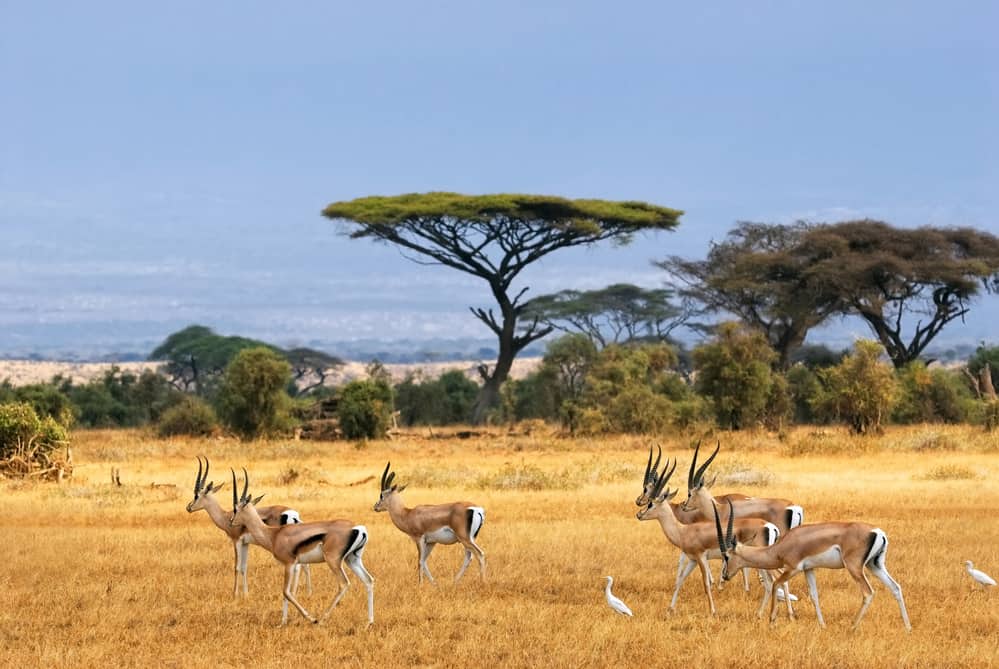
Conservation-led safari has long been a niche within the industry. What is different now is that the American luxury travelers who once built their trips around species checklists and rapid-fire game drives are driving demand for something slower and more purposeful.
Travelers swap game-drive checklists for conservation experiences
Booking data tells a clear story. According to a recent report, safari itineraries booked through U.S. luxury travel advisors surged 22% year over year. The travelers behind that number are not recreating their parents’ safari.
“The alternative now is deliberate, more embedded experiences, which is gaining serious ground,” said Kgomotso Ramothea, CEO of the African Travel and Tourism Association or ATTA, at a WTM Africa session in Cape Town, as reported by Big Ambitions. Among American luxury travelers, it is moving from aspiration to itinerary.
Per the ATTA 2026 Africa Travel Trends report, demand is moving toward private conservancies over national parks, operators with genuine conservation credentials and longer stays in fewer locations. Rewilding initiatives across the continent, including species reintroductions in Rwanda, Uganda, Zambia and Madagascar, have made off-circuit destinations increasingly compelling for the travelers who drive this change.
Specialist operators build a different kind of trip
Safari itineraries look fundamentally different now; a traditional safari might cover five parks in 10 days with game drives built around checking off as many species as possible, while a conservation-led trip is built around fewer destinations, longer stays and access to areas that see a fraction of the foot traffic of the main national park circuits. For operators who have worked this way for decades, rising demand from American clients is a confirmation, not a pivot.
Stanley Safaris, a boutique safari specialist with more than 40 years of experience across Southern and East Africa, designs bespoke itineraries using small, privately owned camps and lodges outside the standard tourism corridors. The model gives clients access to wildlife-rich territories where vehicle numbers are controlled, and guides draw on deep, site-specific ecological knowledge that a visit-every-park itinerary rarely allows time for. As American demand for this kind of access grows, the questions arriving at specialist operators are shifting: not which national parks to include, but which conservancies have genuine conservation credentials and how to structure a trip around them.
Booking a conservation-led trip requires different planning than a standard package. Permit numbers in private conservancies are genuinely limited, which means earlier booking timelines than most travelers expect. Activities go beyond the standard morning game drive to include guided bush walks, community visits and night drives, and getting the most from this format requires a specialist operator who knows the difference between conservation marketing and verifiable conservation impact.





What a conservation-led safari looks like at Kenya’s Laikipia Plateau
Kenya’s Laikipia Plateau, a vast wildlife sanctuary northwest of Mount Kenya, lies outside the country’s main tourist circuits and offers exactly the kind of access conservation-focused travelers seek. While the Masai Mara draws hundreds of vehicles during peak migration season, Laikipia operates on a different model: private conservancies with controlled visitor numbers, a diverse landscape spanning both savannah and arid terrain and a species list that extends well beyond the Big Five.
Segera Retreat, set within a 50,000-acre private conservancy on the plateau, is built entirely on this approach. The property hosts the Big Five alongside rare and endangered species that rarely feature on East Africa’s busier circuits, including Grevy’s zebra, African wild dog and reticulated giraffe. Guests move through the conservancy on game drives, guided bush walks and night drives, with each activity designed for sustained observation rather than rapid sightings. The property also houses a significant collection of contemporary African art from the Zeitz Collection, giving the experience a cultural dimension that extends well beyond the wildlife.
Segera grows much of its food on the property, connecting each meal directly to the land guests visit. Community tours to surrounding villages round out the experience, giving tourists access to the people who live alongside the conservancy and what the conservancy means to them. Travelers already planning time in Kenya may also want to consider what the country’s coast offers as a safari extension, a part of the itinerary that specialist operators such as Stanley Safaris can build into a single trip across very different landscapes.
What US travelers should know before booking
Not every safari marketed as conservation-led is built on verifiable conservation impact. The distinction matters and is not always visible in the brochure.
Private conservancies fill earlier than standard national park itineraries, partly because permit numbers are genuinely limited and partly because demand has shifted sharply. Americans planning a first conservation safari, or adjusting an existing Africa trip to include a conservancy component, are better placed booking well in advance than they would be for a traditional package. The specialist operator matters more here than in most forms of travel planning: the difference between a conservancy with credentials and one with marketing is not apparent from the website.
Americans who drive the safari growth ask different questions. Instead of ranking parks by sighting probability, they want to know which operators fund anti-poaching units, which conservancies are genuinely expanding wildlife corridors and whether their visit leaves the land in better condition than before they arrived. That shift in thinking is already reshaping what gets booked and what gets built.
Mandy Applegate is a luxury travel and fine dining journalist who has covered destinations across 47 countries, with a focus on high-end experiences and distinctive adventures. She is a co-founder of Food Drink Life, where she writes about travel, food and culture for a global audience. Her work is distributed through the Associated Press wire and appears in major U.S. outlets, including NBC, the Chicago Sun-Times, the Boston Herald and the Daily News.
The post Safari bookings among US travelers have surged, and what they want has changed appeared first on Food Drink Life.

(0) comments
Welcome to the discussion.
Log In
Keep it Clean. Please avoid obscene, vulgar, lewd, racist or sexually-oriented language.
PLEASE TURN OFF YOUR CAPS LOCK.
Don't Threaten. Threats of harming another person will not be tolerated.
Be Truthful. Don't knowingly lie about anyone or anything.
Be Nice. No racism, sexism or any sort of -ism that is degrading to another person.
Be Proactive. Use the 'Report' link on each comment to let us know of abusive posts.
Share with Us. We'd love to hear eyewitness accounts, the history behind an article.