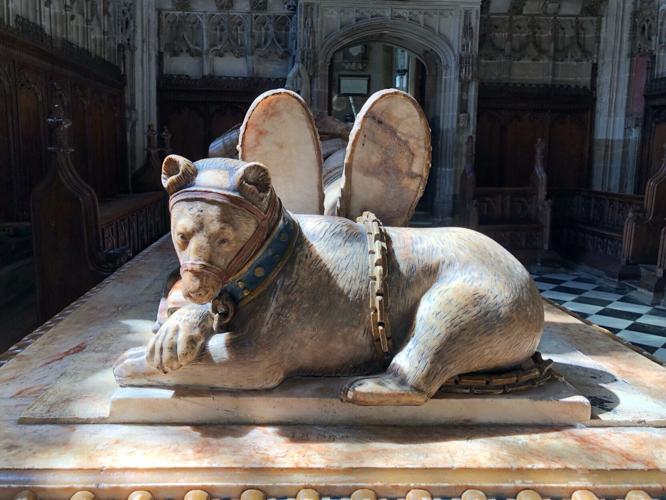



The tomb of Richard Beauchamp, 13th Earl of Warwick, located in the Beauchamp Chapel at the Collegiate Church of St Mary in Warwick. (Liam Lewis via SWNS)
By Stephen Beech
Bear baiting became common throughout England following the Norman invasion of 1066, reveals new research.
Imported animals were transported across England to take part in the barbaric practice, according to the findings.
The study by University of Nottingham and Cardiff University experts brought together archaeological analysis of bear bones and archival records to show the prevalence of bears in England and northern France during medieval times.
It was already known that bear baiting — the act of setting dogs on tethered bears to fight — was organized for Queen Elizabeth I and took place in Bankside, London, in Shakespeare's day.
There is also a bear baiting scene in the lower margin of the Bayeux Tapestry.
But the latest findings, published in the journal Society and Animals, show it was widespread hundreds of years before the Elizabethan era.
Although wild bears were native to Britain, they became extinct by the Roman period.
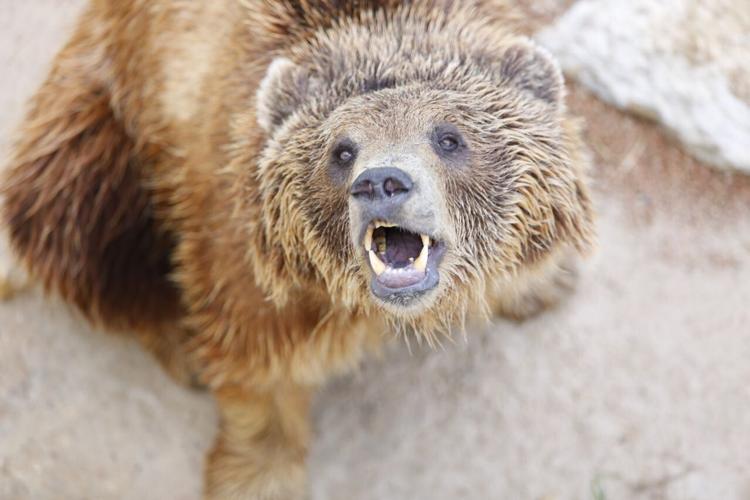
Researchers believe that brown bears were imported into England from Europe, with remains being confirmed as far afield as Colchester in Essex and Carlisle, Cumbria.

(Photo by Mohamed Olwy via Pexels)
Liam Lewis, from Cardiff University's School of Global Humanities, said: "The combination of literary, archival, archaeological, and visual analysis enables us to definitively conclude that bear baiting was an established activity in England by the 12th Century.
"The lack of bear remains from live animals in England prior to the Norman Conquest, and their appearance in London and North Yorkshire immediately afterwards, suggests that there was an increase in the importation of live bears to England after that time.
"Our research demonstrates that the activity of baiting, while associated with marriages, aristocratic pastimes, and raucous festivities in medieval stories and sermons, was clearly popular entertainment among the general public as well, with bear bones indicative of live animals being found in a number of English towns.
"This is despite bears needing to be imported to England from overseas and therefore presumably carrying costs for importation, travel and sustenance."





With many images of dancing and performing bears in the margins of medieval manuscripts, researchers have wondered whether it was common for people to encounter them in the Middle Ages.
The new study is the first detailed research bringing together archaeological and documentary evidence that shows a widespread pattern of owning bears and moving them around England as far back as the time of William the Conqueror.

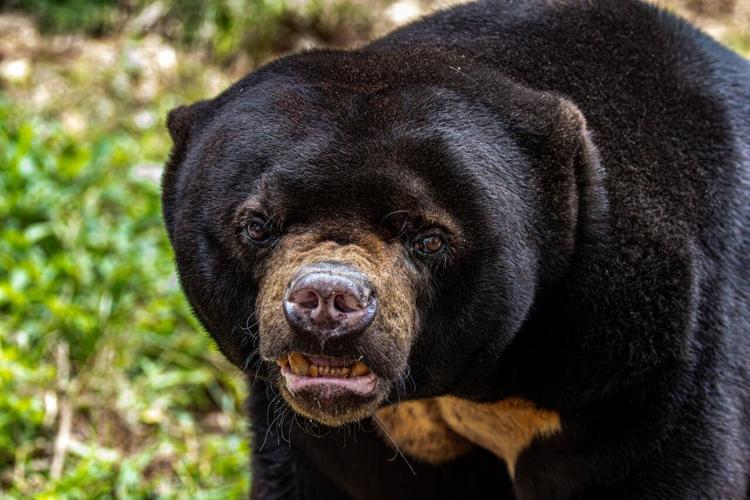
(Photo by Regan Dsouza via Pexels)
Bear bones from the period have been identified at 10 sites in England and France, with a new date on a shoulder blade from Richmond demonstrating bears were in northern England immediately after the Norman Conquest.
Documents such as the Domesday Book, historical records and medieval manuscripts were also surveyed for information about medieval bears.
Hannah O'Regan, from the University of Nottingham's department of classics and archaeology, said: "Bear baiting was an important social and economic activity in early modern England, and here we demonstrate that is has much longer roots.
"This is the first study of its medieval origins and the new radiocarbon date on the bear from Richmond, North Yorkshire shows that bears were widespread very early in the medieval period."
The research team worked with the The Yorkshire Museum to sample the Richmond scapula for radiocarbon dating.
The scapula was dated by Oxford University 'sDr Thibaut Devièse as part of the Decline of the Bear project with O'Regan.
The unexpectedly late radiocarbon date placed the bear firmly into the medieval period, which was already being studied by Lewis and O'Regan.
Lewis added: "This work has shown just how widespread bear baiting was, and that it had strong medieval precursors.
"The Richmond date, on a scapula found in 1864 and held in The Yorkshire Museum demonstrates the importance of keeping samples and examining old collections, as we still have much more to learn.
"Even more excitingly, Richmond is also mentioned in one of the earliest references to a named medieval 'bearward' – Spenellus, who lived there in the early 1200s."
Bear baiting was finally banned in the U.K. in 1835 under the Cruelty to Animals Act.
(0) comments
Welcome to the discussion.
Log In
Keep it Clean. Please avoid obscene, vulgar, lewd, racist or sexually-oriented language.
PLEASE TURN OFF YOUR CAPS LOCK.
Don't Threaten. Threats of harming another person will not be tolerated.
Be Truthful. Don't knowingly lie about anyone or anything.
Be Nice. No racism, sexism or any sort of -ism that is degrading to another person.
Be Proactive. Use the 'Report' link on each comment to let us know of abusive posts.
Share with Us. We'd love to hear eyewitness accounts, the history behind an article.