The best dinner parties still run into the same problem: the host keeps disappearing into the kitchen. Drinks need pouring, ice runs low and someone is always searching for a corkscrew while the conversation carries on without them. Today’s homeowners address that disruption with a simple layout update by moving the bar closer to where guests actually gather.
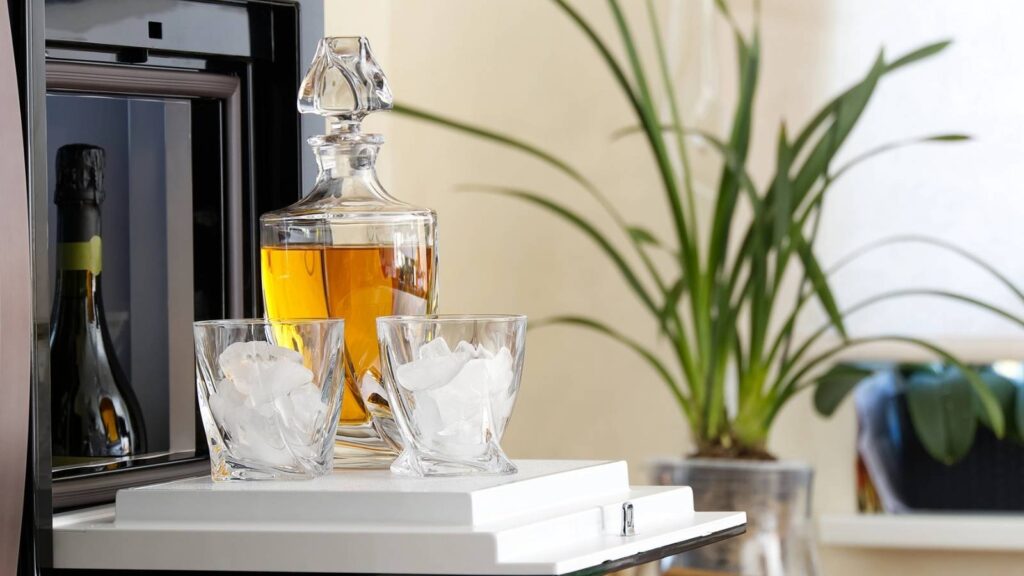
Dedicated bar areas now define homes designed for entertaining, and buyers gravitate toward layouts built around gathering this spring. The design industry has responded quickly, with 85% of industry experts identifying dedicated beverage stations as one of the top emerging layout features of 2026. Hosts want to pour drinks, refill ice and keep the night moving without leaving the room every few minutes.
The real problem with kitchen entertaining
The open-plan kitchen made the host more visible, but not more present. Chopping, pouring and rinsing behind an island still pulls people out of the conversation, and guests notice the difference between a host managing the kitchen and one who’s actually in the room with them.
Many interior designers say clients want layouts where cooking and prep can happen without putting every dirty pan, cutting board and half-finished cocktail on display. The kitchen starts to function more like the back of house, while the rooms where guests settle carry the social weight of the evening. Dedicated bar areas appear alongside listening rooms with vinyl collections and outdoor grills designed for communal cooking, each following the same logic: give guests something to gather around that isn’t a kitchen counter.
What the concealed bar actually does
The most design-forward version is the concealed bar, a dedicated beverage zone built into a living or dining room wall and hidden until guests arrive. Paneled doors and integrated cabinetry let the bar disappear into the home’s larger material palette when closed, then fully transform the room once opened. The setup keeps the action on where the evening is already happening.
“Entertaining spaces are evolving,” said Peggy Haddad in Sunset magazine’s 2026 design trends report. “Instead of unused formal living rooms collecting dust, homeowners are carving out wet-bar lounges that feel like little escapes within the home. 2026 is all about homes that actually function for how people gather.”
A lacquered interior, statement tile and backlit shelving turn pouring drinks into part of the evening rather than a task to manage. The host opens the doors, makes the round and stays in the conversation while the prep mess of a working kitchen never enters the room.
What this looks like at every budget






Renters and smaller-space hosts solve it with a dedicated bar cabinet or bar cart positioned near the main seating area. Spirits, mixers, glassware and an ice bucket stay together in one committed zone with no trip to the kitchen required.
At the mid-range, built-in units match existing millwork and open to reveal wine fridges, glassware storage and a compact prep surface, then close back into the room. Where plumbing allows, a small sink makes the setup fully self-sufficient.
At the high end, the bar becomes a set piece. Lacquered interiors in jewel tones, custom hardware, specialty tile and floor-to-ceiling paneling make the reveal a deliberate moment, something guests wait for rather than something that happens incidentally.
The hosting instinct behind it
Forty-six percent of consumers say budget-friendly ideas are their top motivation to host more at home, and the dedicated bar fits squarely into that thinking; a one-time setup that keeps the evening running without a catering bill attached. The decision is straightforward: choose where drinks belong, and the host’s evening follows.
Placement matters more than scale. The bar needs to sit where guests naturally land, such as a console in the dining room, an alcove off the living room or a built-in replacing part of a bookshelf wall. The best setups keep the host close enough to pour a round without excusing themselves, far enough from the kitchen to read as its own zone.
Social spaces take over homes
The dedicated bar’s popularity points to a broader change in how people entertain at home. Gatherings have become more casual and more constant, and homeowners increasingly want layouts that let them cook, mix drinks and talk with guests without stepping away from the conversation. That demand is likely to influence future home design, bringing kitchens, dining areas and social spaces closer together instead of keeping them apart.
Zuzana Paar is the creator of Sustainable Life Ideas, a lifestyle blog dedicated to simple, intentional and eco-friendly living. With a global perspective shaped by years abroad, she shares everyday tips, thoughtful routines and creative ways to live more sustainably, without the overwhelm.
The post Your guests don’t want a kitchen tour. They want a drink appeared first on Food Drink Life.

(0) comments
Welcome to the discussion.
Log In
Keep it Clean. Please avoid obscene, vulgar, lewd, racist or sexually-oriented language.
PLEASE TURN OFF YOUR CAPS LOCK.
Don't Threaten. Threats of harming another person will not be tolerated.
Be Truthful. Don't knowingly lie about anyone or anything.
Be Nice. No racism, sexism or any sort of -ism that is degrading to another person.
Be Proactive. Use the 'Report' link on each comment to let us know of abusive posts.
Share with Us. We'd love to hear eyewitness accounts, the history behind an article.