Selma is a city the world remembers in March. But if we are honest with ourselves, Selma’s future will not be decided by what happened in March. It will be determined by what we choose to do in April and May.
As a proud native of Selma and a 1997 graduate of Selma High School, I carry the weight and the responsibility of this history differently. Selma is not just a symbol to me. It is home. And home deserves more than remembrance. It deserves renewal.
In April 1968, just weeks after the momentum of the Selma movement reshaped the nation, tragedy struck with the assassination of Martin Luther King Jr.. His death forced America to confront a hard truth. Progress without protection is fragile. Days later, the Fair Housing Act was signed into law, proving that protest must be followed by policy.
That is where Selma must focus now.
April is not just a month of memory. It is a reminder that change requires systems. It requires infrastructure. It requires investment. And then comes May.
May is where power shows up.
Following the Voting Rights Act of 1965, it was in the late spring election cycles that Black political representation in Selma and across the Black Belt began to take shape. Voter registration turned into voter participation. Participation turned into leadership. Leadership turned into influence.
That was the blueprint.
The question now is whether we are still following it. Selma has never been an ordinary place. It is sacred ground. But legacy alone cannot carry us forward.
Today, Selma stands at a crossroads. Not one defined by marches, but by decisions. Not one driven by protest, but by progress. The question is no longer what Selma has done for America. The question is what Selma will do for Selma.
Selma faces a different kind of challenge. It is not just about access to the ballot. It is about access to opportunity. It is about whether our people, especially our young people, see a future here that is worth investing in.
My research on mental health and well-being among college students, particularly first-generation students, tells a sobering story. Access alone is not enough. Whether it is access to education, jobs, or even civic engagement, individuals must also feel supported, valued, and mentally equipped to succeed.
Communities that ignore mental health do not sustain progress. They stall it.
If Selma is to move forward, we must expand how we define civil rights in this moment. Voting rights were the foundation. But today’s fight is about workforce readiness, educational attainment, economic mobility, and mental wellness.
We cannot build a sustainable Selma if our people are burned out, disconnected, or without clear pathways to opportunity.
This is where April and May come back into focus.
April asks us to think about policy. What are we building right now that will protect and uplift the next generation? Are we investing in workforce development systems? Are we creating partnerships that bring real jobs and training into our community?
May asks us to think about power. Are we voting? Are we holding leadership accountable? Are we stepping into leadership ourselves?
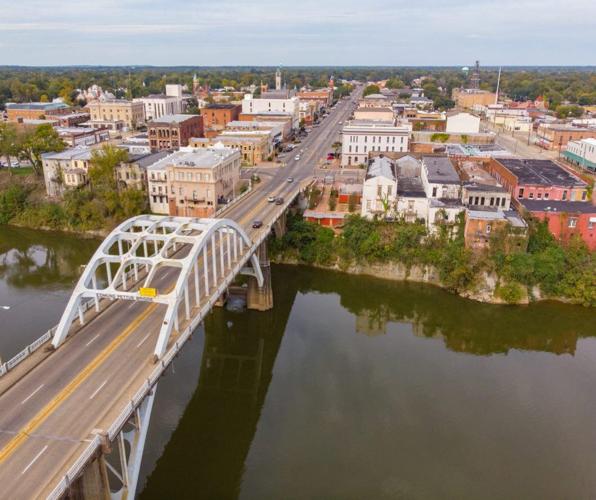
Selma changed the world once by showing what courage looks like on a bridge. Now we must show what courage looks like in a boardroom, in a classroom, in a city council meeting, and in our everyday decisions. Selma cannot afford to be a city that is only visited in March and forgotten the rest of the year.
Selma must become a city that builds in April and leads in May. The legacy of Selma is not just that people marched.
It is that Selma moved a nation.
Now it is time to move Selma forward.
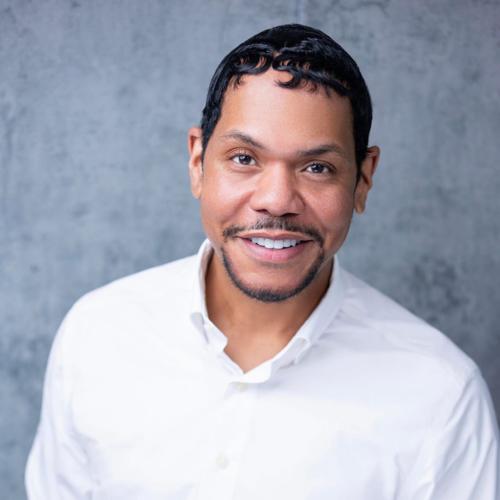
Dr. Shed Jackson is a marketing and communication professional with experience in economic development, higher education and business science. He is a 1997 graduate of Selma High.
(0) comments
Welcome to the discussion.
Log In
Keep it Clean. Please avoid obscene, vulgar, lewd, racist or sexually-oriented language.
PLEASE TURN OFF YOUR CAPS LOCK.
Don't Threaten. Threats of harming another person will not be tolerated.
Be Truthful. Don't knowingly lie about anyone or anything.
Be Nice. No racism, sexism or any sort of -ism that is degrading to another person.
Be Proactive. Use the 'Report' link on each comment to let us know of abusive posts.
Share with Us. We'd love to hear eyewitness accounts, the history behind an article.