




(Photo by Andre Taissin via Pexels)
By Lauren Wilkin
An NHS doctor says investing in a SAD lamp could be the key to battling the blues this winter.
"Seasonal affective disorder, sometimes known as 'winter depression', is a type of depression that tends to come and go in a seasonal pattern," says Dr. Hana Patel, an NHS doctor who specializes in sleep and mental health.
"It can be apparent over the dark winter months and is closely related to a misalignment of the circadian and sleep cycles, affecting our mood."
While the exact cause is not fully understood, according to Dr. Patel, it's often linked to reduced exposure to natural light during the shorter days.
She says that light is one of the main ways our brain can tell whether or not it's time to wake us up.

(Photo by Darina Belonogova via Pexels)
"This is why darker mornings can feel much tougher to manage, and you may find yourself feeling extra tired," she explained.
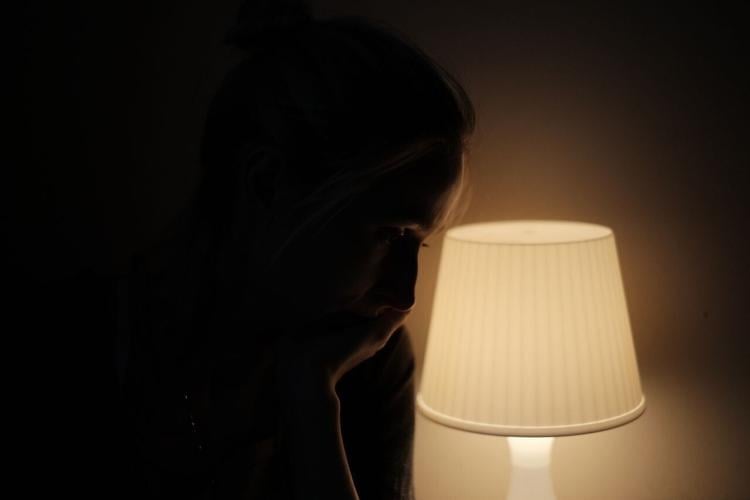
And she says one way to fix this is with a SAD lamp — a device that emits bright light in order to promote wakefulness.
"SAD lamps are often used as a form of light therapy, which is a popular treatment for SAD.
"The light produced by these lamps works to mimic sunlight that's missing during the winter months, encouraging the brain to increase the production of serotonin."
But not any bright light will do.
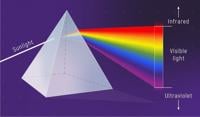
"A light box or lamp that simulates sunlight should generally provide an exposure to 10,000 lux of light, and produce as little UV light as possible to be safe for your eyes," she added.
"These types of lamps can be especially useful if you set them to brighten gradually in such a way that they mimic the sun's natural glow."
This allows you to experience a natural wake cycle even when it's still dark outside.
Dr. Patel makes it clear that while there is evidence to support the effectiveness of these lamps, everyone is different.






(Photo by Samura Lars via Pexels)
Alongside a SAD lamp, she says you should be sticking to these sleep rules in the winter to minimize SAD:
Don't snooze your alarm
"Your circadian rhythm is what naturally regulates how tired or wakeful you feel," she says.
"When you constantly snooze your alarm and allow yourself to dip in and out of very light sleep, your natural rhythm gets confused.
"This means that your body isn't sure when it's supposed to go to sleep and when it's supposed to be awake."
The more confused your circadian rhythm, the less effective it is at regulating hormones like cortisol and serotonin.
Wake up at the same time every day
Dr. Patel says: "Even though it may be tempting, try to resist having a lie in on the weekends and instead, continue to get up at the same time every day.
"Doing this will help your body build important routines, while allowing you to wake up feeling much less groggy."

(Photo by freestocks.org via Pexels)
However, she does note that the key is to build consistent habits, not to achieve perfection.
"Don't worry if you're a little bit off every now and then, or if you have a few long nights every month."
Avoid alcohol before bed
Dr. Patel says that avoiding alcohol in the winter can improve your sleep and help ease the symptoms of SAD.
"In order to feel properly rested when you wake up, it's best to avoid alcohol at least four hours before you go to bed as it can fragment your sleep phases, leaving you feeling sluggish in the morning.
"If you do want to have a few drinks after a day at work, make sure you pair them with water to allow your body to rehydrate itself.
(0) comments
Welcome to the discussion.
Log In
Keep it Clean. Please avoid obscene, vulgar, lewd, racist or sexually-oriented language.
PLEASE TURN OFF YOUR CAPS LOCK.
Don't Threaten. Threats of harming another person will not be tolerated.
Be Truthful. Don't knowingly lie about anyone or anything.
Be Nice. No racism, sexism or any sort of -ism that is degrading to another person.
Be Proactive. Use the 'Report' link on each comment to let us know of abusive posts.
Share with Us. We'd love to hear eyewitness accounts, the history behind an article.