
Considering GLP-1 pills for weight loss? Here are 8 things to know before you start
Glucagon-like peptide-1 (GLP-1) medications are now available as a pill for weight loss, offering another option beyond injections. Like the injections, GLP-1 pills can help regulate your appetite, reduce food cravings, and make it easier to feel full with less food.
Taking a pill may feel simpler than giving yourself injections. But GLP-1 pills come with their own considerations, including how they’re taken each day. They also work best if you combine them with healthy habits, such as eating a balanced diet and exercising regularly.
If you’re thinking about a GLP-1 pill for weight loss, it’s a good idea to understand how they work and whether they fit into your lifestyle and health needs. GoodRx shares eight things to know before you get started.
Key takeaways:
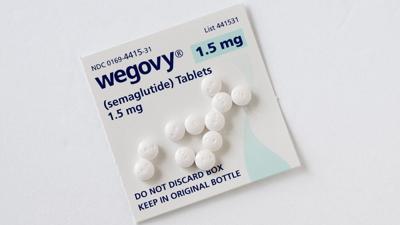
- Glucagon-like peptide-1 (GLP-1) pills offer a needle-free alternative to injections for weight loss. The Wegovy pill (oral semaglutide) is currently available. Orforglipron, another GLP-1 pill, may be available soon.
- GLP-1 pills need to be taken carefully every day to maximize absorption. For Wegovy pills, this includes taking your dose first thing in the morning on an empty stomach, with only a small amount of water.
- GLP-1 pills may be a good fit if you want to avoid needles and can stick to a daily routine. A healthcare professional can help determine whether they are the best option for you.
1. GLP-1 pills work similarly to injections, but their absorption is different
Like GLP-1 injections, GLP-1 pills work by mimicking the effects of GLP-1, a natural gut hormone that helps regulate appetite, fullness, and digestion. These effects can make it easier to eat less and support weight loss.
The biggest difference between the pills and injections is their absorption route and how much is absorbed. Because of this, the dosage schedule, timing, and factors that influence how well the medication works can vary between the two forms.
- How they’re absorbed: GLP-1 injections release the medication into the fatty layer under the skin, where it’s absorbed into the bloodstream. GLP-1 pills, on the other hand, are taken by mouth and must pass through the digestive system before they can be absorbed.
- How much is absorbed: When semaglutide (Wegovy) is injected, most of the dose enters the bloodstream. But when it’s taken by mouth, only a small amount is absorbed. That’s because semaglutide is a peptide, a type of fragile molecule that can be broken down in the gut. For this reason, semaglutide pills need to be taken every day exactly as directed to maximize absorption (more on this later).
Orforglipron is another daily GLP-1 pill that may be approved in 2026. Unlike semaglutide, it’s not a peptide, which makes it more stable in the stomach and easier for the gut to absorb.
2. Weight loss can be meaningful, but results can vary from person to person
Many people lose a significant amount of weight with GLP-1 pills, while others see more modest changes. For example, people taking the Wegovy pill lost an average of about 14% of their starting body weight during clinical trials (similar to Wegovy injections).
That said, not everyone responds the same way to GLP-1s. Factors such as how consistently you take the medication, your lifestyle habits, and your individual biology can all influence how much weight you may lose. Some people respond quickly, while others lose weight more gradually. A small percentage, though, may not respond at all.
If you’re starting a GLP-1 pill, it helps to set realistic expectations and track your progress over time, rather than focusing on week-to-week changes. Your prescriber can help you understand whether the medication is working for you, or if adjustments may be needed.
3. GLP-1 pills must be taken carefully
Some GLP-1 pills come with strict dosage instructions to help the medication work as intended. This is especially true for oral semaglutide, which must be taken first thing in the morning on an empty stomach, with a small amount of water. You’ll also need to wait 30 minutes before eating, drinking, or taking other oral medications.
This may be less of an issue with orforglipron. Because it’s absorbed better in the gut, it’s expected to have fewer timing and fasting requirements. However, dosage instructions still matter, and final guidance will depend on FDA approval and labeling.
If strict timing rules are difficult to follow, a healthcare professional can help you decide whether a pill or injection is a better option.
4. Expect side effects, especially at first and after dose changes
When starting a GLP-1 pill, your body often needs time to adjust, which is why you’ll start with a low dose that’s slowly increased over time. Side effects are most likely to occur early in treatment or after a dose increase. Side effects are less likely when you’ve been stable on a dose for a while.
GLP-1 pills slow stomach emptying and affect appetite, and many of their side effects are related to these effects. These side effects include:
- Nausea
- Vomiting
- Diarrhea
- Constipation
- Stomach pain, bloating, or discomfort
- Feeling overly full after eating small amounts of food
For many people, these symptoms ease over time as the body adapts. Taking the medication exactly as directed and adjusting portion size or food choices can help you tolerate it better.






While less common, serious side effects and risks are possible and require medical attention. These may include:
- Pancreatitis (inflammation of the pancreas).
- Gallbladder problems, such as gallstones.
- Acute (sudden) kidney problems often related to dehydration.
- Low blood glucose (blood sugar), especially if taken with certain diabetes medications.
- Severe allergic reactions, including anaphylaxis.
- A potential increased risk of thyroid C-cell tumors (based on animal studies, and has not been confirmed in people).
5. Not everyone is a good candidate for GLP-1 pills
GLP-1 pills offer a needle-free option, but they’re not appropriate for everyone. You may be advised to avoid GLP-1 pills if you:
- Have a personal or family history of medullary thyroid cancer.
- Have multiple endocrine neoplasia syndrome type 2.
- Have a history of pancreatitis.
- Have severe gastrointestinal problems, such as gastroparesis (slowed stomach emptying).
- Are allergic to any ingredient in the medication.
- Are pregnant or breastfeeding.
Other reasons GLP-1 pills may not be the best fit for you include:
- You have difficulty remembering to take medications every day.
- You need to take another oral medication first thing in the morning on an empty stomach, and it can’t be delayed.
- You have a hard time following strict fasting and timing instructions (such as due to shift work), which can affect how well the medication works.
- You have metabolic dysfunction-associated steatohepatitis (a type of fatty liver disease) or obstructive sleep apnea. GLP-1 pills aren’t approved to treat these health conditions, but some GLP-1 injections are.
A healthcare professional can help you sort through these factors and decide whether a GLP-1 pill is right for you. If not, they can also suggest alternatives to GLP-1s for weight loss.
6. Medication is only part of the plan
GLP-1 pills can help make it easier to lose weight. But they don’t replace the habits that support long-term health. Because they affect appetite and digestion, how you eat, move, and care for your body still plays an important role in both results and side effects.
- Diet and hydration: Focus on eating smaller balanced meals, prioritizing protein, and staying well hydrated. It’s also best to limit fatty or heavy meals. This can help support weight loss while reducing side effects such as nausea.
- Exercise: Regular physical activity, including strength training, helps preserve muscle mass as weight changes.
- Sleep and stress management: Aim for consistent sleep and try stress-reduction strategies, since poor sleep or chronic stress can make weight loss harder.
Building sustainable routines alongside a GLP-1 pill helps improve outcomes and make it easier to maintain progress. Your healthcare team can help build a plan that works for you.
7. There are ways to make GLP-1 pills more affordable
Cost can be a barrier to starting or staying on a GLP-1 pill for weight loss. Insurance coverage varies widely, and some plans may not cover these medications at all. That said, there are ways to lower your out-of-pocket costs:
- Save with a manufacturer copay savings card. If you have commercial insurance, you could pay as little as $25 per month for the Wegovy pill with a copay savings card.
- Save with direct pharmacy services. You can get the Wegovy pill shipped directly to your home for a lower cash-pay price through NovoCare Pharmacy.
Because pricing and coverage can change, it’s a good idea to check your options before starting treatment. That way, you know what to expect long term.
8. You can switch from GLP-1 injections to pills (and vice versa)
Some people start with a GLP-1 injection and later switch to a pill to help maintain weight loss. Others may begin with a pill and move to injections. A switch may make sense if your preferences change, side effects are hard to manage, or cost or access becomes an issue.
Because GLP-1 pills and injections are absorbed differently, switching isn’t a one-to-one change. A healthcare professional can help adjust your dose and timing to make the transition as smooth and effective as possible.
Switching doesn’t mean starting over, but it does require medical guidance and close follow-up. Your prescriber can help decide whether a pill or injection, or a combination over time, fits best with your long-term weight-loss plan.
The bottom line
Glucagon-like peptide-1 (GLP-1) pills are now available, providing an alternative to GLP-1 injections. They can be a good option if you don’t want to give yourself shots. But some, such as the Wegovy pill (oral semaglutide), have strict dosage instructions that you’ll need to follow.
If you’re considering GLP-1 pills for weight loss, a healthcare professional can help determine if they’re a good option for you. They’ll consider your health history, preferences, daily routine, and other factors. It’s also possible to change from pills to injections (and vice versa) if anything changes.
This story was produced by GoodRx and reviewed and distributed by Stacker.


(0) comments
Welcome to the discussion.
Log In
Keep it Clean. Please avoid obscene, vulgar, lewd, racist or sexually-oriented language.
PLEASE TURN OFF YOUR CAPS LOCK.
Don't Threaten. Threats of harming another person will not be tolerated.
Be Truthful. Don't knowingly lie about anyone or anything.
Be Nice. No racism, sexism or any sort of -ism that is degrading to another person.
Be Proactive. Use the 'Report' link on each comment to let us know of abusive posts.
Share with Us. We'd love to hear eyewitness accounts, the history behind an article.