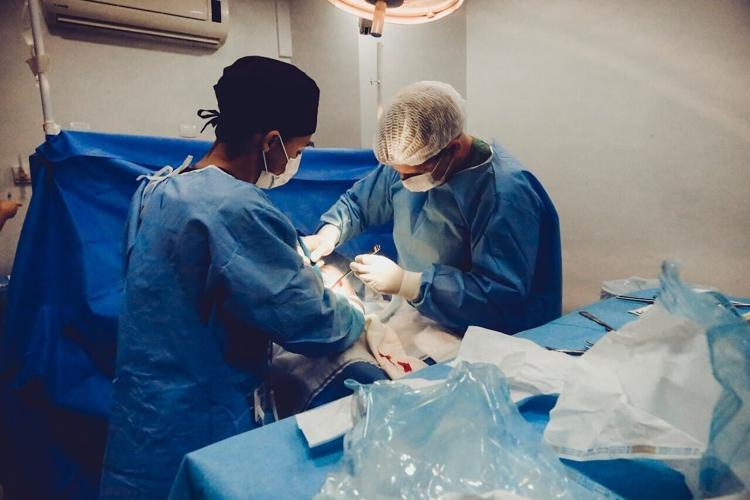



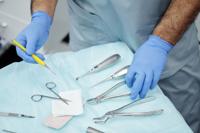

(Photo by Vidal Balielo Jr. via Pexels)
By Stephen Beech
One in eight patients who undergo day surgery develop complications and need overnight or longer hospital admission, reveals a new report.
Some operations have much higher admission rates - including prostate surgery (52%) and bladder surgery (35%), according to the findings.
Researchers also found that one in 14 day case surgery patients have new or worse chronic pain within three months of their procedure.
Some operations have higher rates of chronic pain after three months - including orthopaedic (13.4%) and breast procedures (10%), reveal the findings of the first comprehensive studies of pain and UK day surgery.
Two new studies analyzing pain and other factors connected with day surgery in the UK show that around one in eight patients having day-case surgery end up not going home and instead are admitted to hospital as a result of various complications.
The studies, published in the journal Anaesthesia, are the first studies exploring chronic post-surgical pain after day-case surgery.
They were conducted by doctors from the the POPPY (Patient reported Outcomes, Postoperative Pain and pain relief after daY-case surgery) Consortium.

(Photo by Saúl Sigüenza via Pexels)
Day-case surgery is defined in the UK and Ireland as procedures that occur on the same day a patient is admitted and discharged from hospital.
Current NHS targets stipulate that 85% of eligible elective operations should be done as a day-case.
Patients receive care that aims for rapid recovery and early mobilisation, reducing their risk of complications such as hospital acquired infection.
Other benefits for the wider healthcare system include reduced demands on inpatient beds.
The POPPY study was set up to monitor the effect of day-case surgery on patients’ experience of recovery and pain.
In the first study, a total of 7,839 patients from 199 UK sites were screened.
The findings showed that some common operations, such as prostate procedures - including prostate and cancer and benign prostate growth, had admission rates of higher than 50%.

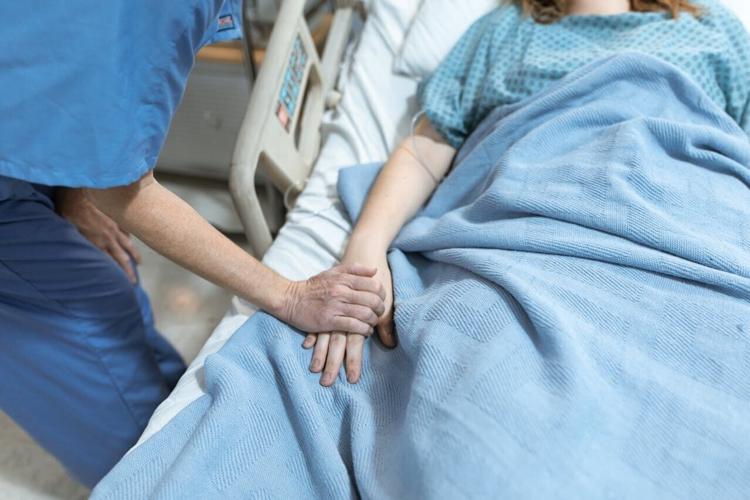
(Photo by RDNE Stock project via Pexels)



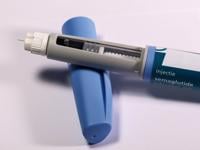

Pain at the site of proposed surgery was reported by 3,060 patients (39%) and this was chronic pain in 2,387 (31%). Opioids were taken at least daily by 885 patients (11%) .
Research co-author Dr. Martha Belete, of Torbay and South Devon NHS Foundation Trust, said: “In the UK, over one third of patients presenting for day-case surgery are in pain, which is mostly chronic in duration.
"One in four have access to opioid medications and a little over one in 10 are using opioids daily.
"More than one in 10 do not receive their planned surgery as a day-case and readmission rates for day-case surgery do not meet suggested targets.”
In the second study, data was collected on the day of surgery, and patients received follow-up questions by mobile phone text message.
Chronic post-surgical pain was defined using pain severity scores after 97 days.
Chronic post-surgical pain was reported by 7.2% of the participants, equivalent to one in 14 patients.
The research team found patients with chronic post-surgical pain had reduced quality of life scores compared to before the op.
Higher rates of chronic post-surgical pain after three months were seen for orthopedic (13.4%), and breast (10%) surgeries.

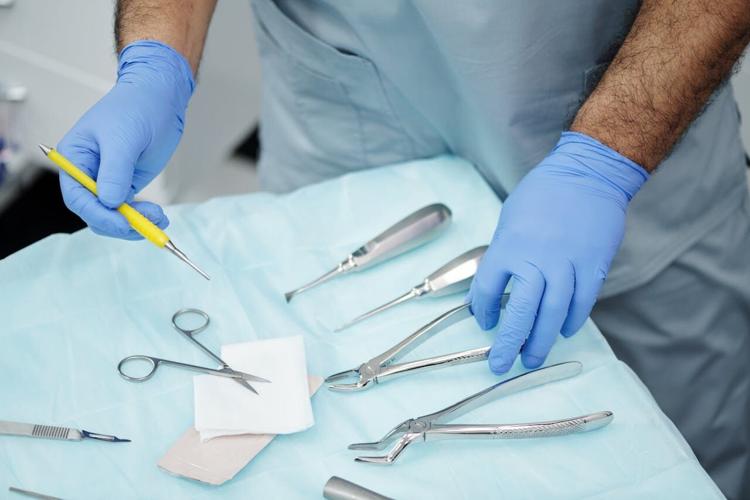
(Photo by Cedric Fauntleroy via Pexels)
Research co-author Dr. Adam Brayne, of University Hospitals Plymouth NHS Trust, said: “In the UK, given the active selection of patient suitability for day-case surgery, combined with modified surgical and anesthetic techniques and enhanced recovery pathways, it could have been anticipated that the prevalence of chronic post-surgical pain in this cohort would be lower.
"By including representative, prospective data across all four nations, the findings of this study suggest that it is not.
"Therefore, as surgical workload increases, we can expect the numbers of patients with chronic post-surgical pain to increase.”
Unlike previous studies which identified women as being at increased risk of chronic post-surgical pain, the new studies did not.
But the findings did show that that gynaecological and breast surgeries had higher rates of chronic post-surgical pain, suggesting those specialties were behind the increased risk.
Dr. Belete added: “This is the first large UK multicenter, prospective observational study exploring chronic post-surgical pain after day-case surgery.
"Chronic post-surgical pain is common after day-case surgery and is associated with reduced quality of life.”



(0) comments
Welcome to the discussion.
Log In
Keep it Clean. Please avoid obscene, vulgar, lewd, racist or sexually-oriented language.
PLEASE TURN OFF YOUR CAPS LOCK.
Don't Threaten. Threats of harming another person will not be tolerated.
Be Truthful. Don't knowingly lie about anyone or anything.
Be Nice. No racism, sexism or any sort of -ism that is degrading to another person.
Be Proactive. Use the 'Report' link on each comment to let us know of abusive posts.
Share with Us. We'd love to hear eyewitness accounts, the history behind an article.