

Immo Wegmann
By Stephen Beech
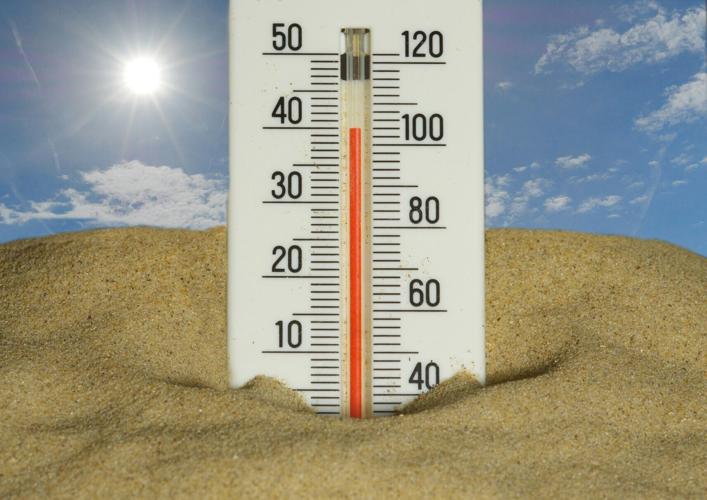
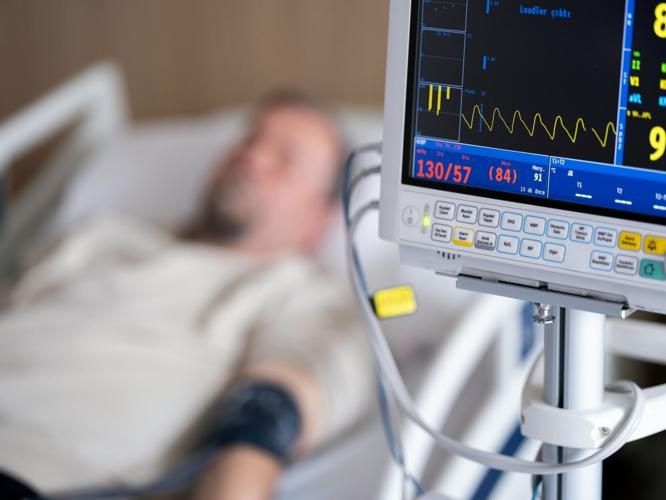
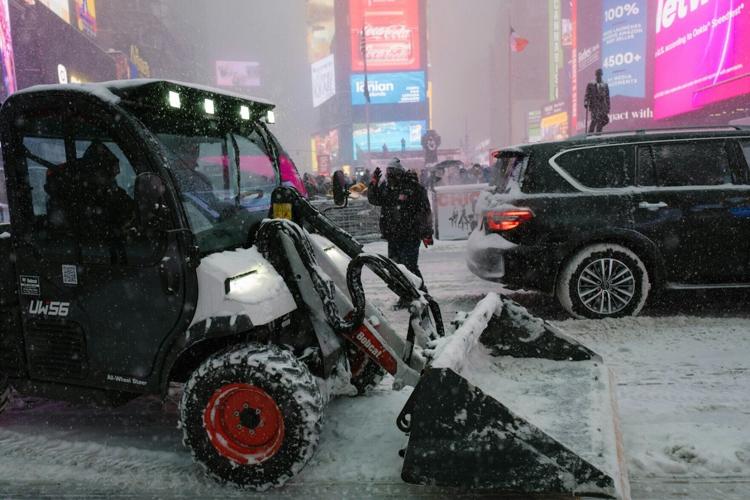
Extreme weather is causing more people to suffer heart attacks and strokes, warns new research.
More frequent heatwaves and cold snaps are linked with increases in major cardiovascular events that are further exacerbated by air pollution, say scientists.
Lukasz Kuzma, from the Medical University of Bialystok inPoland, said: "Climate change is driving extreme weather events, yet temperate climates remain understudied.
"Poland is now seeing unprecedented heatwaves alongside existing coldwaves."
Kuzma and his colleagues assessed the acute health impacts of temperature extremes.
The analysis included more than eight million residents living in Eastern Poland.
Data on hospitalizations and deaths from 2011 to 2020 were obtained while heatwave and coldwave events were indexed.

engin akyurt
During the study period 573,538 major adverse cardiovascular and cerebrovascular events (MACCE) were recorded, along with 377,373 cardiovascular deaths and 831,246 all-cause deaths.
The findings showed that both heatwaves and coldwaves were associated with "significant" increases in events, but with distinct temporal patterns.
Heatwaves had an immediate impact, according to the research team.
On the day of exposure to heatwaves, MACCE increased by 7.5% and cardiovascular deaths increased by 9.5%.
Coldwaves produced a delayed and more sustained effect, with the risk of MACCE rising from 4% to 5.9% over several days after exposure and the risk of cardiovascular death rising from 4.7% to 6.9%.
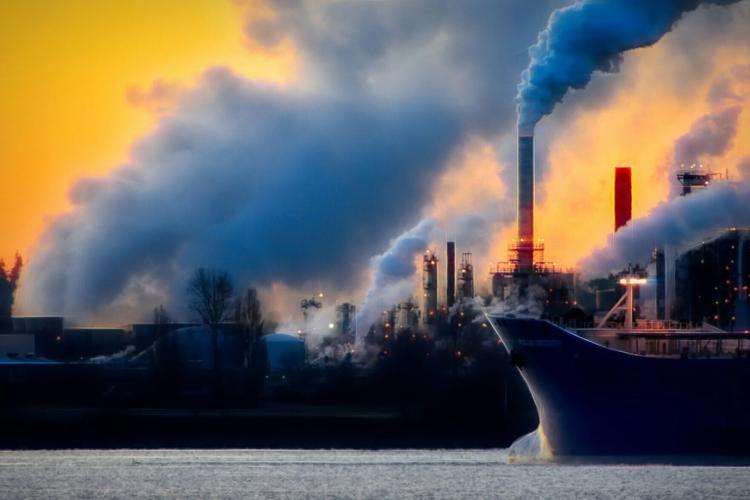
Exposure to air pollution further amplified the effects of extreme temperatures.




Kuzma said: "Our results highlight that the problems of climate change now extend to Northern Europe and demonstrate the considerable combined hazards of temperature extremes and air pollution on increasing cardiovascular events."

Raman Shaunia
A separate analysis evaluated the short- and long-term effects of air pollution on major cardiovascular events.
A total of 377,344 deaths due to cardiovascular disease were recorded.
Around 13% of cardiovascular deaths were associated with air pollution, corresponding to 71,440 years of life lost over the decade.
Pollutants were found to be important contributors to the risk, with the greatest vulnerability observed in women and younger people.
Monthly air pollution exposure increases were associated with up to a 10% rise in cardiovascular events.
The effects were around 5% higher in women than men and around 9% higher in people under 65 years of age compared with those older than 65.
Anna Kurasz, also from the Medical University of Bialystok, said: "Even though air pollution is recognised as a major cardiovascular risk factor, it is still under-appreciated.

Chris LeBoutillier
"These results challenge the traditional risk factor paradigm about which groups of individuals are most susceptible.
"Our findings clearly support the need for coordinated public health policies aimed at reducing air pollution and also for further investigations into who is most affected and the mechanisms responsible."
Kuzma added: "With our collaborators, we will continue to study the wider exposome, including light and noise pollution, considering the interconnectedness of adverse environmental changes, their acute and chronic impact, and the direct and indirect effects on individuals and the healthcare system.
"We also aim to develop a method to incorporate environmental factors into a cardiovascular risk prediction algorithm to enable more effective targeting of preventive efforts."
The findings were presented at the annual congress of the European Association of Preventive Cardiology (EAPC) in Ljubljana, Slovenia.

(0) comments
Welcome to the discussion.
Log In
Keep it Clean. Please avoid obscene, vulgar, lewd, racist or sexually-oriented language.
PLEASE TURN OFF YOUR CAPS LOCK.
Don't Threaten. Threats of harming another person will not be tolerated.
Be Truthful. Don't knowingly lie about anyone or anything.
Be Nice. No racism, sexism or any sort of -ism that is degrading to another person.
Be Proactive. Use the 'Report' link on each comment to let us know of abusive posts.
Share with Us. We'd love to hear eyewitness accounts, the history behind an article.