


Photo by Kampus Production via Pexels
By Maeve Gallagher
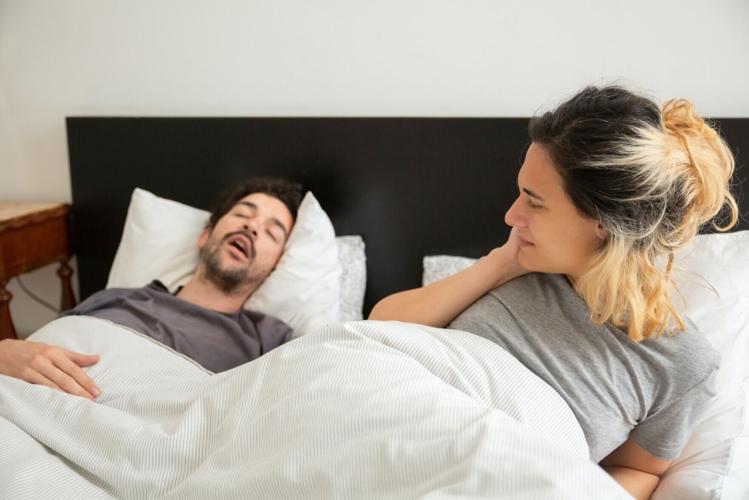
Experts have shared signs your partner should listen out for if you wake them up with your snoring — that could be a sign of fatal conditions.
If you are a heavy snorer and wake up in the night gasping for breath, there is a chance you could have sleep apnea.
Left untreated, sleep apnea can increase risks for cardiovascular disease, such as coronary artery disease, congestive heart failure and stroke, and is also associated with a significantly increased risk of Alzheimer's and dementia.
This sleep condition affects about 1 billion people globally, but for many, it’s left untreated and dismissed as just heavy snoring.
Your partner should listen out for pausing of breath, choking episodes and gasping for air when you're sleeping.
Experts, Dr. Ryan Chin Taw Cheong and Dr. Alanna Hare, reveal the risks of untreated sleep apnea and the importance of taking care of your sleep health to prevent heart disease and health problems.
Dr. Cheong, consultant ENT and sub-specialist sleep surgeon, said: "In the past, we would look at sleep deprivation as a badge of honor.
"But the culture has shifted to prioritize sleep as a foundation of health.
"Snoring used to be dismissed but now more awareness that troublesome snoring can be a sign of serious or deadly conditions.”

Photo by Vitaly Gariev via Pexels
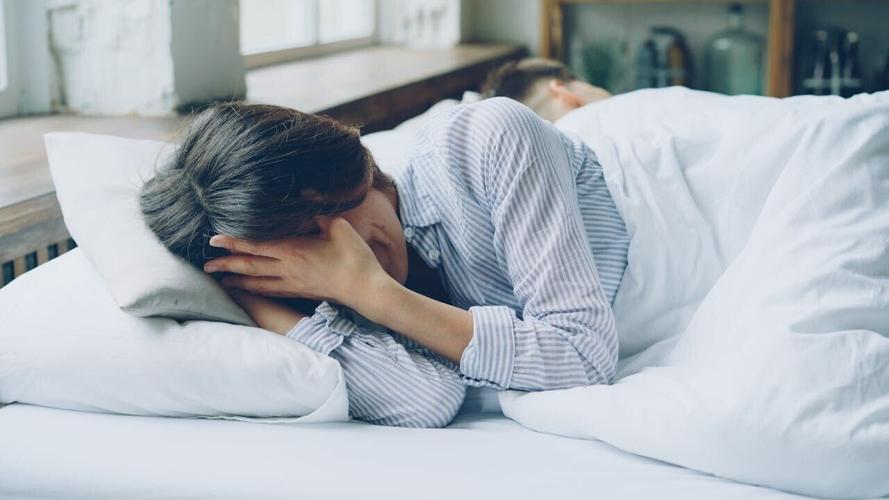
Dr. Hare, consultant in sleep and ventilation, added: “Patients themselves aren’t necessarily aware of the signs and think it’s part of normal aging to be tired or forgetful.
"Many are embarrassed by snoring and reporting it to a GP might feel difficult.”
Sleep apnea is an obstructive sleep disorder where throat muscles relax in REM sleep causing the airway to be blocked off, reducing your ability to breathe normally.






This reduction in oxygen levels can put a strain on organs such as the heart.
Other symptoms of sleep apnea that occur not during sleep can include daytime sleepiness, fatigue, brain fog, mood disturbances and difficulty concentrating.
Untreated obstructive sleep apnea can also have risks in road traffic accidents, with affected drivers up to ten times more likely to crash due to excessive daytime sleepiness and these accidents are likely to be more severe as driver reactions are impaired.
Dr. Hare, based at Royal Brompton Hospital, London, explained that it can present in women as insomnia and fatigue more commonly, especially peri- or post-menopausal women.
It is often undiagnosed in women because it doesn’t present in the same way as men and is sometimes diagnosed as depression rather than sleep apnea.
Sleep apnea can affect anyone. There is a 2-to-1 ratio that it affects men more than women, and after the age of 69 there is increased prevalence of the sleep condition.
Obesity, menopause, smoking and alcohol consumption are also factors that place people at a higher risk of having sleep apnea.

Photo by Ron Lach via Pexels
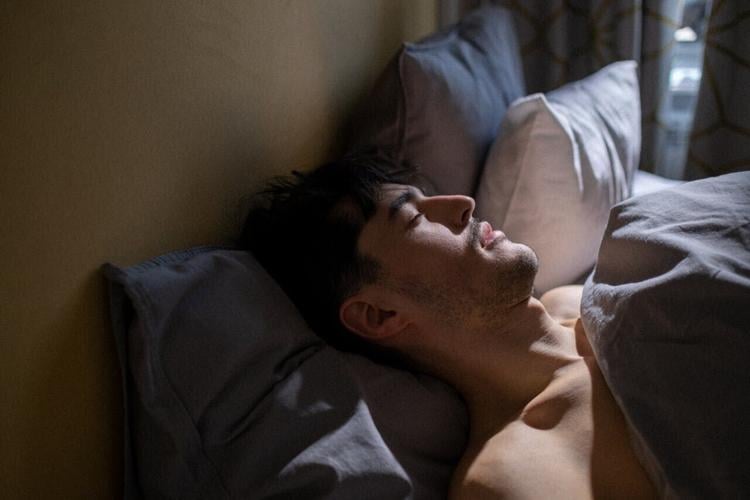
If you think you might have sleep apnea, partners or family members should look out for: heavy snoring, witnessed pause in breathing or choking.
Dr. Hare recommends speaking to your GP. There are also online questionnaires, such as STOP-BANG, to evaluate your sleep.
Dr. Cheong, who works at Royal National ENT and Eastman Dental Hospitals, University College London Hospitals NHS Foundation Trust, discussed the range of personalized diagnostic options, such as medical-grade devices to wear in bed to track oxygen levels or a drug-induced sleep endoscopy to get a personalized understanding of your sleep health.
Treatment options include using a CPAP machine to deliver a steady stream of pressurized air through the mask to keep airways open during sleep, installing dental appliances to hold the jaw differently or a surgical nerve implant to move the tongue forward to keep airway open during sleep.
Both doctors emphasize the importance of sleep health and strongly advise seeking medical attention if you have any worries about your sleep.
Dr. Cheong says: “Sleep health is the greatest return of investment you can make on your health. Everything else builds upon good sleep.
"Good sleep is the foundation of all health.”

(0) comments
Welcome to the discussion.
Log In
Keep it Clean. Please avoid obscene, vulgar, lewd, racist or sexually-oriented language.
PLEASE TURN OFF YOUR CAPS LOCK.
Don't Threaten. Threats of harming another person will not be tolerated.
Be Truthful. Don't knowingly lie about anyone or anything.
Be Nice. No racism, sexism or any sort of -ism that is degrading to another person.
Be Proactive. Use the 'Report' link on each comment to let us know of abusive posts.
Share with Us. We'd love to hear eyewitness accounts, the history behind an article.