


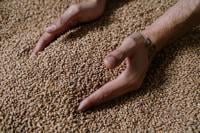

(Photo by RDNE Stock project via Pexels)
By Stephen Beech
Eating four to six servings of whole grain every day slashes the risk of a heart attack or stroke, suggests new research.
A diet high in whole-grain food lowers body weight, cholesterol, blood sugar and blood pressure, according to the findings.
Four to six portions corresponds to a bowl of oatmeal, a sandwich made with whole-grain bread and a serving of brown rice, say scientists.
The study, published in the European Heart Journal, brought together the results of 87 clinical trials that tested the effects of eating whole-grain food on risk factors for cardiovascular disease.
The findings show that eating a diet rich in whole-grain food is likely to prevent heart disease by reducing body weight, blood pressure and the levels of cholesterol and glucose in the blood.
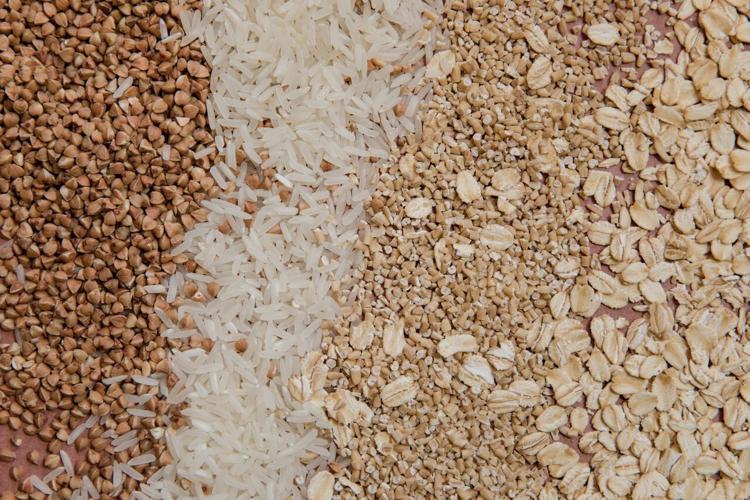
Common whole-grain foods include brown rice, oats, whole wheat, barley, rye, quinoa, millet and corn, as well as products made from whole-grain flour such as wholemeal bread, pasta and cereals.
Study leader Helda Tutunchi said: "Although higher whole-grain intake has long been linked to better heart health in population studies, clinical trials have produced mixed findings.
"This left an important practical question unanswered: how much whole grain should people eat to meaningfully improve cardiovascular health?

(Photo by Tymur Khakimov via Pexels)
"To address this, we systematically combined and analyzed all available randomized controlled trials to identify the amount of whole grain associated with the greatest benefits."
The analysis included more than 6,500 people from trials conducted across Europe, the United States, Canada, Asia, Australia and Brazil.
It showed that eating more whole grain reduced people's body weight, waist circumference and blood pressure, as well as reducing the levels of total cholesterol and low-density lipoprotein cholesterol (LDL) — known as "bad" cholesterol, in the blood.
It also lowered blood levels of triglycerides, glucose and interleukin-6 (IL-6) — a sign of inflammation.
The benefits could be seen in people eating 30 to 40 grams of whole grain per day, but the greatest benefits were found in people eating 60 to 100 grams per day — corresponding to four to six daily servings.
Tutunchi, from Tabriz University of Medical Sciences, Iran, said: "This is the largest and most comprehensive meta-analysis of randomized controlled trials on whole-grain intake and cardiovascular risk factors.
"Unlike previous reviews, we looked specifically at how much whole grain people need to eat to get the greatest benefits.
"We also evaluated the certainty of the evidence and found high-certainty evidence for improvements in several outcomes, including body weight, waist circumference and total cholesterol.
"However, most of the trials we included were relatively short, with an average duration of about eight weeks.







(Photo by FRANCIANO PUHALES via Pexels)
"As a result, we cannot determine whether these benefits are maintained over the long term.
"In addition, relatively few studies evaluated very high whole-grain intakes, above 140 grams per day, so the effects at those intake levels remain uncertain.
"Our findings provide a practical indication of the amount of whole grain that may be needed to achieve meaningful improvements in cardiovascular risk factors.
"Increasing whole-grain intake is a relatively simple, accessible and affordable dietary strategy that can complement other lifestyle and medical interventions.
"We found that most benefits occur at intakes of approximately 60 to 100 grams per day, toward the upper end of current dietary recommendations.
"These findings do not necessarily call for major changes to existing guidelines, but they support public health strategies that help people increase their whole-grain intake and move toward the higher end of current targets."
Tutunchi added: "One important finding is that whole grains may benefit cardiovascular health through several modest improvements acting together, rather than through one large effect on a single risk factor.
"We observed improvements across multiple pathways, including blood lipids, blood pressure, glucose regulation, body fat and some markers of inflammation.
"Although the change in each individual risk factor was generally modest, improving several risk factors simultaneously could contribute to a greater reduction in long-term cardiovascular risk.

(Photo by cottonbro studio via Pexels)
"However, the included trials did not assess cardiovascular events directly, so longer-term studies are needed to confirm this."
Writing in the European Heart Journal, Cecilie Kyrø, from the Danish Cancer Institute, welcomed the findings.
She said: "For clinicians, the message is reassuringly simple: encouraging patients to replace refined grain foods with minimally processed whole grains is likely to yield modest but meaningful improvements in body weight, waist circumference, and blood lipids, perhaps particularly in individuals with type 2 diabetes.
"At the population level, even small shifts in these markers can translate into substantial reductions in cardiometabolic events.
"Adding evidence from research into other disease endpoints indicates that the beneficial effects of whole- grains foods even go substantially beyond cardiometabolic disease.
"Current US dietary guidelines recommend two to four servings of whole grains per day within an overall pattern that emphasizes 'real food' and reduced intake of ultra-processed products.
"While this is an important step in the right direction, the trial evidence indicates that higher whole-grain intakes than presently recommended in some guidelines may be optimal for cardiometabolic health."
Kyrø added: "From a policy perspective, the challenge is to make minimally processed whole-grain staples accessible, affordable, and culturally acceptable, while avoiding a drift towards ultra-processed products that merely add whole grains to otherwise highly processed formulations."
(0) comments
Welcome to the discussion.
Log In
Keep it Clean. Please avoid obscene, vulgar, lewd, racist or sexually-oriented language.
PLEASE TURN OFF YOUR CAPS LOCK.
Don't Threaten. Threats of harming another person will not be tolerated.
Be Truthful. Don't knowingly lie about anyone or anything.
Be Nice. No racism, sexism or any sort of -ism that is degrading to another person.
Be Proactive. Use the 'Report' link on each comment to let us know of abusive posts.
Share with Us. We'd love to hear eyewitness accounts, the history behind an article.