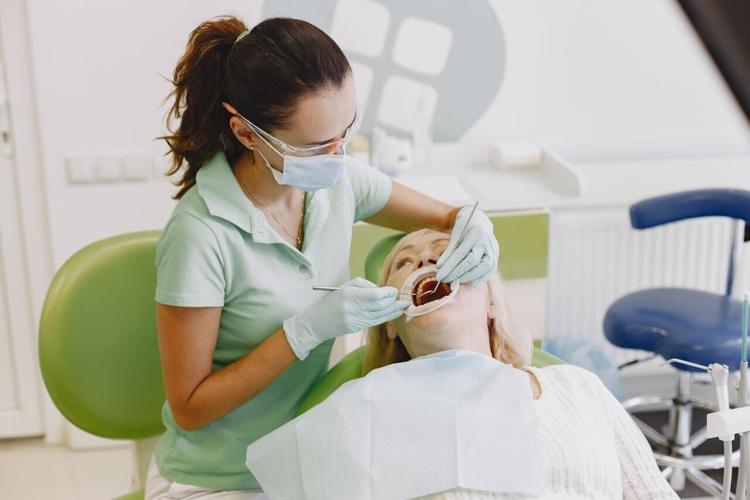


Photo by Gustavo Fring via Pexels
By Stephen Beech
Dental "shame" is a key reason why some people don't seek help for oral health issues, according to a study.
The negative emotion can lead to avoiding getting treatment for serious dental issues, suggest the findings.
Experts say a better understanding of dental shame could encourage more people to seek help, avoiding potentially deadly consequences.
The study suggests that healthcare practitioners can incite shame in patients, both intentionally and unintentionally.
But when shaming is used purposefully with the intention to attempt to motivate positive health practices, there is no guarantee it will result in beneficial change.
The Anglo-Danish research team says those working in dentistry and other healthcare and social settings should be trained in "shame competence."
Their findings, published in the journal Community Dentistry And Oral Epidemiology, show dental shame can stem directly from oral health issues or the aesthetic appearance of the teeth.
The emotion is more often found in people who are vulnerable due to deprivation, trauma or abuse.
It is also found in relation to drinking, smoking or eating habits, and can lead to lower self-worth, social isolation and self-neglect.







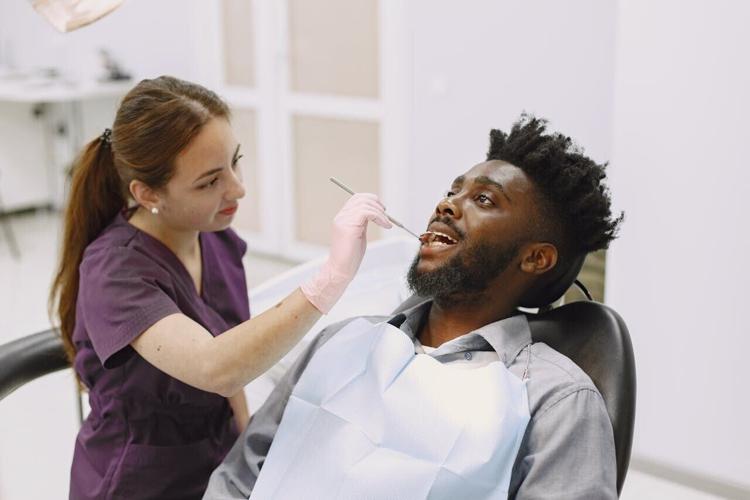
Photo by Gustavo Fring via Pexels
The study also suggests "systemic inequities" in dental care significantly contribute to dental shame, and healthcare fee structures can increase dental shame.
Academics from the University of Copenhagen are working on a project called Lifelong Oral Health, which aims to identify barriers to oral health in elderly care.
They have identified dental shame as "significant" in elderly care settings.
Study co-author Professor Luna Dolezal, from the University of Exeter, said: "Shame can help explain why some people don’t like to expose their teeth to dentists or tell them they smoke or have a poor diet.
"As the study explains, dental shame is both a consequence and a determinant of oral health issues.
"It is a consequence because oral health issues can cause shame, and it is a determinant because it can act as a barrier to both daily dental care and engagement with dentistry.
"This can turn dental shame into a self-reinforcing spiral, where shame about oral health can lead to unfortunate oral health behaviors, which can potentially intensify oral health issues and inequities, leading to more shame."
She added: “Because our teeth are highly visible and central to our overall appearance and well-being, dental shame affects self-esteem, social interactions, access to the labor market, care systems and social services. This downward spiral concerns not only oral health but also various other aspects of life.
“It is important to have non-judgmental environments where patients feel trustful and empowered to prioritize their oral health.”
The study concludes that practitioners in oral health care and social settings should be trained to be able to identify shame, and to be aware of how it circulates between people and within institutional cultures.


(0) comments
Welcome to the discussion.
Log In
Keep it Clean. Please avoid obscene, vulgar, lewd, racist or sexually-oriented language.
PLEASE TURN OFF YOUR CAPS LOCK.
Don't Threaten. Threats of harming another person will not be tolerated.
Be Truthful. Don't knowingly lie about anyone or anything.
Be Nice. No racism, sexism or any sort of -ism that is degrading to another person.
Be Proactive. Use the 'Report' link on each comment to let us know of abusive posts.
Share with Us. We'd love to hear eyewitness accounts, the history behind an article.