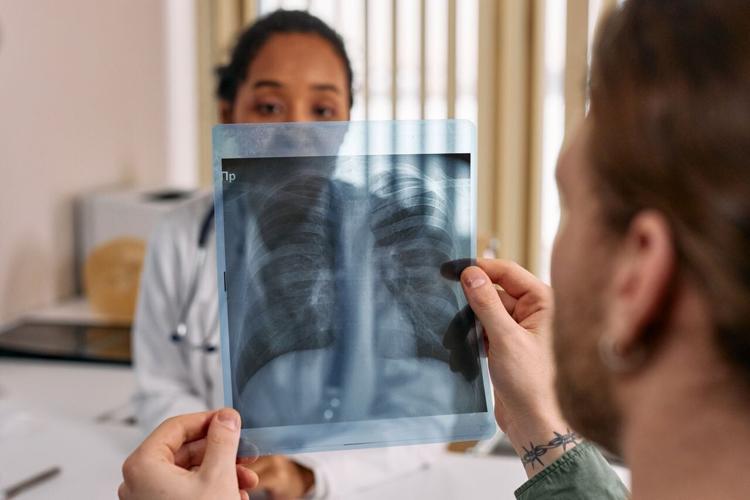



(Photo by cottonbro studio via Pexels)
By Lauren Wilkin
Researchers have discovered how to reverse a “fog” in the lungs that can lead to cancerous tumors developing.
There are around 125,000 lung cancer deaths in the U.S. every year and around 32,800 lung cancer deaths in the U.K. annually. Only around 1 in 10 people diagnosed with lung cancer predicted to survive for 10 years or more.
Cancer Research UK and UK Research and Innovation’s Medical Research Council and other partners funded a team of UCL researchers to explore how to stop lung cancer from developing.
And the study led to a breakthrough in tackling lung cancer years before it’s even diagnosed.
The team, led by James Reading and Sam Janes, analyzed blood and tissue samples collected from people taking part in long-running lung cancer studies, while analyzing the same in mice.
They discovered a “cloud” of T cells building up in the lungs.

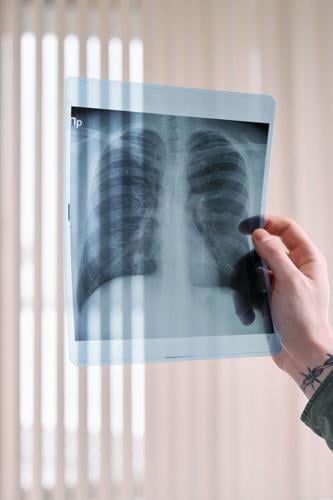
(Photo by cottonbro studio via Pexels)
These T cells — known as Tregs — can dampen immune response, essentially pausing activity in cells that target cancerous cells.
This allowed precancers to slip through the cracks and develop into lung cancer unchallenged by the immune system.
Once the team identified this, they managed to reverse it using drugs, potentially opening up new ways to intercept the disease in its early, precancerous stages.





Associate professor James Reading at UCL Cancer Institute, said: “We urgently need new ways to prevent lung cancer in people at high-risk of developing the disease.
“There was a moment when multiple members of my team were telling me that they’d spotted the same unusual regulatory T cell activity.
“What excited us most was that these cells weren’t just signaling that cancer might be developing: It was also possible to target this immune fog to intervene and stop tumors from forming, which could give us new ways to prevent lung cancer.”

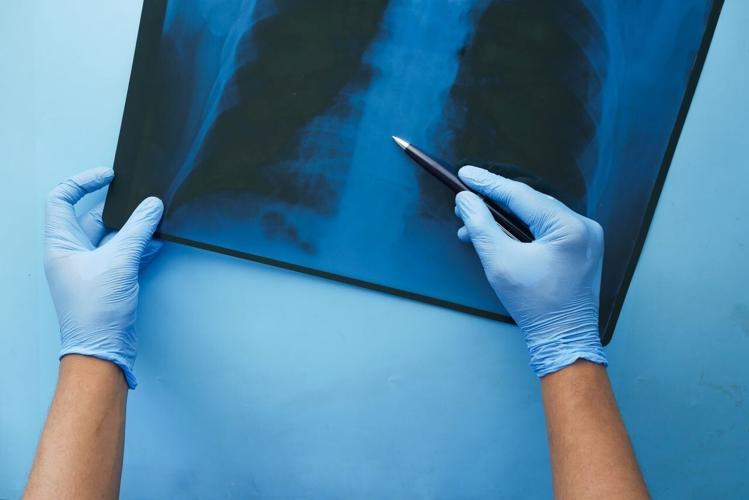
(Photo by Towfiqu barbhuiya via Pexels)
Published in the journal Nature, the research adds to growing evidence that one day cancer could be targeted before it even develops, rather than waiting until the disease causes noticeable symptoms, and in cases of advanced cancer, be harder to treat.
Professor Sam Janes from the UCL Division of Medicine said: “We’re moving from largely treating cancer when it develops toward tackling the precancerous disease.
“This is called cancer interception, an exciting and emerging area of research which we hope will stop some precancers from ever becoming cancers in the first place.”
Stella O’Brien, 66, recently cared for a friend diagnosed with stage 4 NSCLC and is a member of the Patient Public Involvement and Engagement Panel involved in steering the direction of this research.
She said: “Last year I lost my much-loved young friend, Joanna, to lung cancer. Joanna was diagnosed at a late stage when her options were limited.
“I’m excited about this research because it could potentially track and target the earliest warning signs and transform the power of screening for people like her.
“I hope this discovery about the immune system may one day help prevent lung and even other cancers by fixing the body’s response so the cancer never forms.”
(0) comments
Welcome to the discussion.
Log In
Keep it Clean. Please avoid obscene, vulgar, lewd, racist or sexually-oriented language.
PLEASE TURN OFF YOUR CAPS LOCK.
Don't Threaten. Threats of harming another person will not be tolerated.
Be Truthful. Don't knowingly lie about anyone or anything.
Be Nice. No racism, sexism or any sort of -ism that is degrading to another person.
Be Proactive. Use the 'Report' link on each comment to let us know of abusive posts.
Share with Us. We'd love to hear eyewitness accounts, the history behind an article.