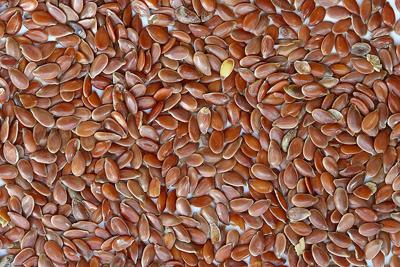
When purchasing seeds in the store, there is a general trust that what is on the packet is what will grow. Various sellers offer almost any seed the heart desires on online “yard sale” websites. But can buyers trust these online “yard sale” seed purchases?
According to Alabama Extension horticulture crops specialist Joe Kemble and regional agent Olivia Fuller, purchasing from these online “yard sale” platforms is a buyer beware situation.
“Unless stated, there is likely no guarantee of seed quality, germination, purity, etc.,” Kemble said.
With federal and state seed laws, there is little guarantee that online “yard sale” seed sales are regulated.
According to Fuller, although seed purchases from these platforms should be made with caution, many buyers have great experiences buying from these platforms.
If there are risks in relation to purchasing seeds online, why do sellers continue to choose these “yard sale” platforms?
According to Fuller, other online seed sellers often form a type of monopoly. This further encourages seed distributors to sell using online “yard sales.”
“I feel that purchasing from online ‘yard sale’ platforms pose the same risks as buying from any seed distributor,” Fuller said. “Most of the sellers have large scale farms and use online yard sales simply as a platform to sell.”
When purchasing seed from one of these online platforms, it is essential to find a reputable seller. One of the first steps is to assess their ratings and reviews.






“Pay close attention to ratings and reviews,” Fuller said. “Most sellers have a few hundred or one thousand five-star ratings.”
Next, try to find a seller that follows American Seed Trade Association (ASTA) guidelines. According to Kemble, the ASTA is the leading seed trade association in the United States.
“If you are looking for a reputable seed company, look for those that are members of the ASTA,” Kemble said.
Also, in the United States, every state has its own seed label law. These laws state what needs to be on a seed packet. This is another way to ensure that purchases from the seller are legitimate. To view the label laws, visit the ASTA website.
Lastly, if the seller is in Alabama, check for an Agriculture Compliance permit. The Agriculture Compliance division in Alabama conducts seed inspections and issues permits to dealers. Find more about the permits from the Agriculture Compliance.
If the seed does not meet expectations, it is often returnable.
“Most shops will offer a return policy that includes returning for any reason,” Fuller said.
For more information on purchasing seeds for gardening, visit the Alabama Extension website, www.aces.edu.
(0) comments
Welcome to the discussion.
Log In
Keep it Clean. Please avoid obscene, vulgar, lewd, racist or sexually-oriented language.
PLEASE TURN OFF YOUR CAPS LOCK.
Don't Threaten. Threats of harming another person will not be tolerated.
Be Truthful. Don't knowingly lie about anyone or anything.
Be Nice. No racism, sexism or any sort of -ism that is degrading to another person.
Be Proactive. Use the 'Report' link on each comment to let us know of abusive posts.
Share with Us. We'd love to hear eyewitness accounts, the history behind an article.