For individuals grappling with alcohol dependence, the path to sobriety is both a personal and transformative journey. Acknowledging the need for change is the first step, and navigating the terrain of alcohol cessation techniques and rehabilitation is pivotal for lasting recovery. Here, we explore the strategies and support systems that pave the way towards a life free from the shackles of alcohol dependency.
Acknowledging the Challenge
Alcohol dependence is a complex issue, often intertwined with physical, psychological and social factors. Accepting the need for change is a critical initial step. Understanding that seeking help is not a sign of weakness but a courageous decision to reclaim one’s life lays the foundation for the journey ahead.
Medical Detoxification
For individuals with severe alcohol dependence, medical detoxification is often the first phase of the recovery process. This medically supervised intervention helps manage withdrawal symptoms and ensures a safe transition as the body adjusts to the absence of alcohol. Healthcare professionals play a vital role in overseeing this phase and providing necessary support.
Medication-Assisted Treatment (MAT)
Medication-assisted treatment involves the use of medications to support alcohol cessation. Drugs like disulfiram, acamprosate and naltrexone can help reduce cravings, deter relapse and ease the overall withdrawal process. These medications are typically prescribed and monitored by healthcare professionals as part of a comprehensive treatment plan.
Counseling and Therapy
Behavioral therapies, including individual counseling and group therapy sessions, address the psychological aspects of alcohol dependence. Therapists work with individuals to explore triggers, develop coping mechanisms and build resilience against relapse. The support and insights gained from counseling are invaluable in fostering long-term recovery.
Support Groups
Alcoholics Anonymous (AA) and other support groups provide a sense of community and shared experience. These groups follow a 12-step program that encourages individuals to take responsibility for their actions, make amends, and embrace spiritual growth. The camaraderie and understanding within support groups contribute significantly to the recovery journey.
Inpatient Rehabilitation




Inpatient rehabilitation, commonly known as rehab, offers a structured and immersive environment for individuals seeking recovery. These programs provide a combination of medical supervision, counseling and group therapy. Inpatient rehabilitation is particularly beneficial for those requiring intensive support and a break from the triggers of their daily environment.
Outpatient Rehabilitation
Outpatient rehabilitation offers flexibility for individuals who do not require 24/7 supervision. It allows participants to attend therapy sessions, counseling and support group meetings while continuing with their daily lives. Outpatient programs are suitable for those with a strong support system at home.
Holistic Approaches
Holistic approaches to alcohol cessation encompass mind, body and spirit. Yoga, meditation and mindfulness techniques can aid in stress reduction and overall well-being. Nutrition and exercise play a crucial role in physical recovery, contributing to a healthier lifestyle that supports sobriety.
Creating a Relapse Prevention Plan
A relapse prevention plan is a personalized strategy developed with the guidance of healthcare professionals or therapists. It involves identifying triggers, implementing coping strategies and establishing a support network. Having a well-defined plan equips individuals with the tools to navigate challenges and maintain sobriety.
Continued Support and Aftercare
Recovery is an ongoing process, and aftercare is a vital component. Continued counseling, participation in support groups and ongoing medical monitoring contribute to sustained sobriety. Aftercare plans are tailored to individual needs, ensuring a comprehensive approach to long-term recovery.
Choosing the path of alcohol cessation and rehabilitation is a courageous decision that paves the way for a healthier, more fulfilling life. The combination of medical interventions, therapy, support groups and holistic approaches offers a multifaceted approach to recovery. Each step on this journey is a testament to strength and resilience, and with the right support, individuals can rise above alcohol dependence and embrace a future filled with renewed hope and vitality.
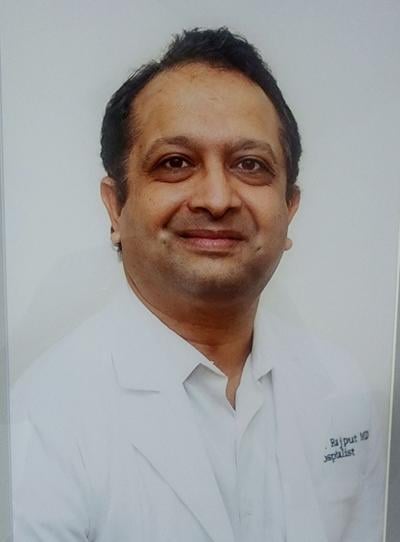
Dr. Jaisingh Rajput is a family physician at Vaughan Regional Medical Center in Selma. This piece is part of the Health Matters series through the Black Belt News Network.



(0) comments
Welcome to the discussion.
Log In
Keep it Clean. Please avoid obscene, vulgar, lewd, racist or sexually-oriented language.
PLEASE TURN OFF YOUR CAPS LOCK.
Don't Threaten. Threats of harming another person will not be tolerated.
Be Truthful. Don't knowingly lie about anyone or anything.
Be Nice. No racism, sexism or any sort of -ism that is degrading to another person.
Be Proactive. Use the 'Report' link on each comment to let us know of abusive posts.
Share with Us. We'd love to hear eyewitness accounts, the history behind an article.