As summer turns to fall, many gardeners are still enjoying the benefits of their homegrown fresh fruits and vegetables. The season’s change does not mean tasty food and honest work must stop now. Fall gardens are a wonderful way to get outside and stay active when it is cool.
Cooling Off
One of the many benefits of having a fall garden is the coolness of the fall compared to the heat of the summer. This is a benefit for those who want to work outside and have a garden but should not be out in the heat and sun during the summer. Cooler weather also means the ability to plant distinct types of crops.
“Cole crops are the most popular and well-known group of cool weather veggies,” said Dani Carroll, an Alabama Cooperative Extension System home grounds, gardens and home pests regional agent.
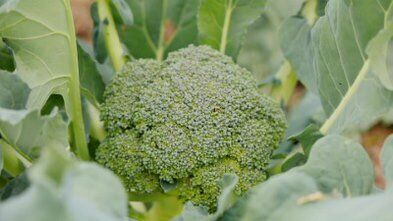
Carroll said in Alabama the most common types of cole crops are cauliflower, cabbage, Brussels sprouts, broccoli and kale just to name a few. She also said onions, strawberries and garlic are popular fall garden plants as well.
Easy Transition
Fall gardeners know it is easy to take a summer garden and prepare it to grow fall crops.
“We can use the same area that we used for our warm-season veggies,” Carroll said. “Gardeners may need to rejuvenate the area by weeding, adding more organic matter if needed and fertilizing for the new growth.”
However, Carroll said there can be a significant difference in planting times between the northern and coastal areas of Alabama. It is safe to plant seeds in August and transplants can be added to gardens over the following weeks.
Many of Alabama’s fall crops are hardy and can withstand the relatively mild winters of the south. This makes for a great spring full of fresh fruits and vegetables instead of store-bought products.
Pesky Pests
Fall gardens are more enjoyable because of the cooler weather, but pests can still be a problem if not managed properly. Insect populations are greater during the fall than in the summer. This means gardeners should take different measures in the fall to protect their products.
“With our cool season crops, we usually harvest the foliage, roots and flower buds, but we are not harvesting the fruit,” Carroll said. “This means that row covers that exclude pest insects will also exclude pollinators, but pollinators are not necessary for foliage and root harvest.”
Tanner Hood writes for Alabama Cooperative Extension System.
Keep it Clean. Please avoid obscene, vulgar, lewd,
racist or sexually-oriented language. PLEASE TURN OFF YOUR CAPS LOCK. Don't Threaten. Threats of harming another
person will not be tolerated. Be Truthful. Don't knowingly lie about anyone
or anything. Be Nice. No racism, sexism or any sort of -ism
that is degrading to another person. Be Proactive. Use the 'Report' link on
each comment to let us know of abusive posts. Share with Us. We'd love to hear eyewitness
accounts, the history behind an article.








(0) comments
Welcome to the discussion.
Log In
Keep it Clean. Please avoid obscene, vulgar, lewd, racist or sexually-oriented language.
PLEASE TURN OFF YOUR CAPS LOCK.
Don't Threaten. Threats of harming another person will not be tolerated.
Be Truthful. Don't knowingly lie about anyone or anything.
Be Nice. No racism, sexism or any sort of -ism that is degrading to another person.
Be Proactive. Use the 'Report' link on each comment to let us know of abusive posts.
Share with Us. We'd love to hear eyewitness accounts, the history behind an article.