Most home cooks want a smoky flavor, but most don’t have a dedicated smoker to get it. That gap has pushed plenty of capable cooks to settle for whatever comes off a gas grill or a charcoal setup, assuming real smoke depth requires equipment they don’t own; it doesn’t. With the right techniques, a standard grill, a stovetop and even a finishing salt can all deliver genuine smoke flavor without a pellet rig or a purpose-built smoker in sight.
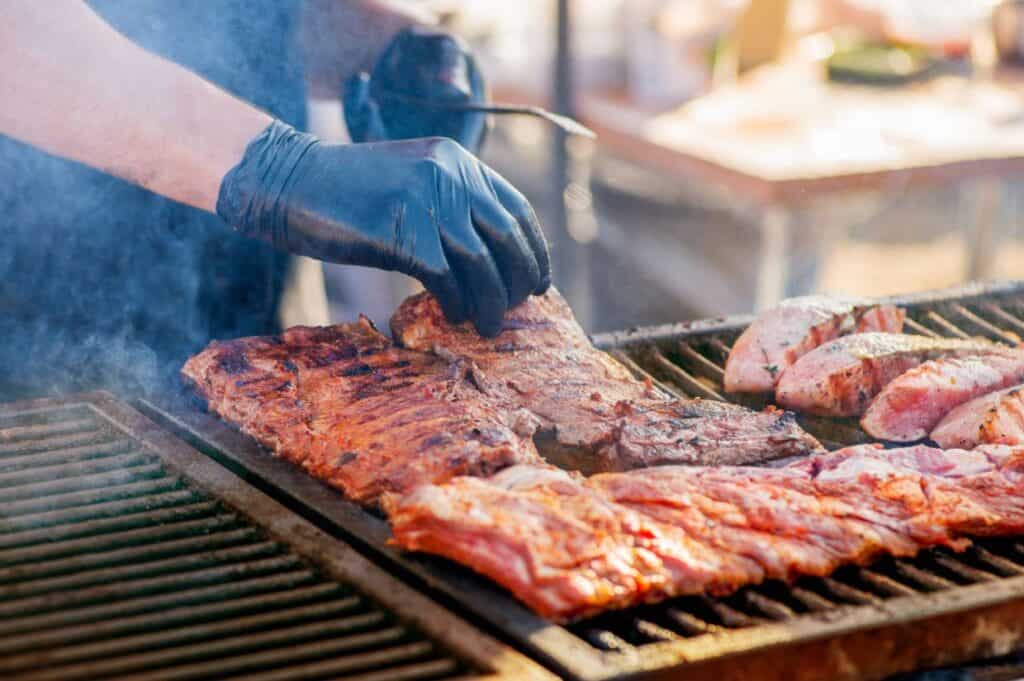
The appetite for smoke has never been stronger. The share of consumers who love cooking outdoors has grown 53% since 2023, and 97% of households already own some form of outdoor cooking equipment. Flavor complexity is now the standard home cooks are chasing at the grill, and smoke is the foundation on which that complexity builds. The challenge isn’t access to equipment, but knowing what to do with what’s already there. Combustion compounds from burning wood bind to surface moisture and proteins on whatever you’re cooking, which means the process works just as well on a stovetop or a gas grill as it does on a purpose-built smoker.
Wood chip packets on a gas or charcoal grill
Take a handful of wood chips, no soaking required despite what older recipes suggest, and wrap them loosely in a double layer of heavy-duty foil. Poke a few holes in the top and set the packet over a burner or on hot coals. Within a few minutes, it will produce smoke.
For gas, place the packet on the hottest burner, then move your food to the cooler side once smoke starts to rise; for charcoal, nestle it directly into the coals. Wood variety matters: apple pairs well with pork and poultry, hickory is the right call for beef and ribs, and cherry adds a mild sweetness that works across chicken, duck and salmon.
Stovetop smoking
A wok or a deep, oven-safe skillet turns any kitchen into a smoke chamber. Line the bottom with foil, add a small handful of wood chips or a mix of sugar and tea leaves, then set a wire rack above the material. Put your food on the rack, cover tightly and turn the heat to medium-high. Within three to four minutes, the chips will smoke. Pull the heat back and let the food sit six to 10 minutes, depending on thickness. This method works best on proteins with moderate fat content, including duck breast, fish fillets and chicken thighs, and it’s equally effective for cheese or making smoked salt at home. Don’t forget to run the exhaust fan.
Smoked salts






Smoked salt is a finishing technique, not a cooking one, and that distinction matters. Applying it during cooking burns off much of the volatile compound before it can do anything useful. Add it after the heat, as you would a fleur de sel, letting the smoke note land directly on the palate. It layers well over a dry rub applied before cooking: the rub builds the crust, the smoked salt closes it. Best applications are eggs, avocado, grilled corn, roasted cauliflower and the final resting slice of any steak.
Liquid smoke, used correctly
Liquid smoke has a bad reputation, and it earned it, mostly from overuse. At full strength, it tastes acrid. But when used at the right scale, which means drops rather than dashes, it delivers genuine smoke flavor to braises, marinades and slow-cooked proteins that never see a flame.
A starting point for marinades is roughly half a teaspoon per pound of meat, whisked in with acid and fat. It works well in pulled pork braises, smoked baked beans and slow-cooker applications where the food needs smoke depth without direct fire. What it cannot replicate is the textural crust that comes from real combustion. For that, you still need heat and wood.
Flavor without the rig
The appetite for smoke isn’t softening. A recent survey found that 93% expect to cook as much or more in the next 12 months than they did the year before. More time cooking at home means more cooks pushing for restaurant-quality depth of flavor from basic kitchen setups. Smoke is the technique that closes the gap fastest, and none of it requires equipment that most home cooks don’t already own.
Jennifer Allen is a retired professional chef and long-time writer. Her work appears in dozens of publications, including MSN, Yahoo, The Washington Post and The Seattle Times. These days, she’s busy in the kitchen developing recipes and traveling the world, and you can find all her best creations at Cook What You Love.
The post No smoker? No problem. Here’s how to get genuine smoke flavor at home appeared first on Food Drink Life.

(0) comments
Welcome to the discussion.
Log In
Keep it Clean. Please avoid obscene, vulgar, lewd, racist or sexually-oriented language.
PLEASE TURN OFF YOUR CAPS LOCK.
Don't Threaten. Threats of harming another person will not be tolerated.
Be Truthful. Don't knowingly lie about anyone or anything.
Be Nice. No racism, sexism or any sort of -ism that is degrading to another person.
Be Proactive. Use the 'Report' link on each comment to let us know of abusive posts.
Share with Us. We'd love to hear eyewitness accounts, the history behind an article.