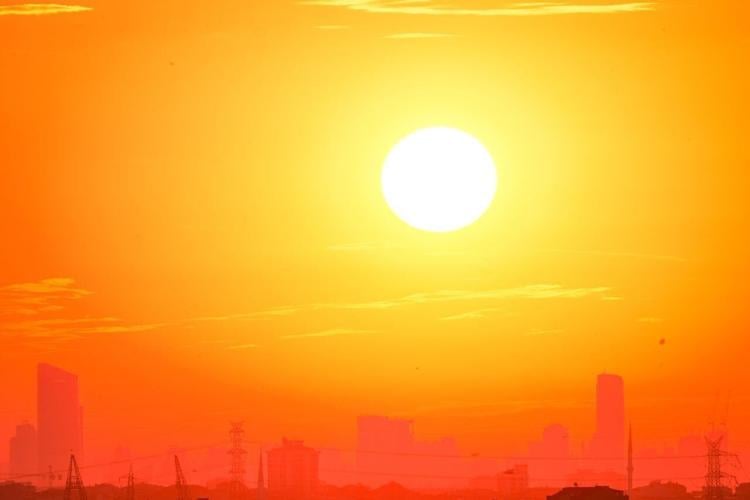

Photo by Engin Akyurt via Pexels
By Lauren Wilkin
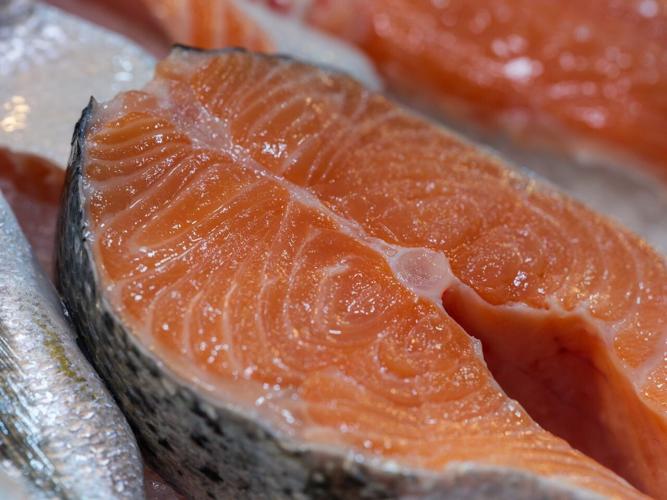
Experts are warning of salmon shortages after three quarters of the UK has been officially declared in drought and a fifth heatwave has sent temperatures soaring.
Salmon is the most imported and exported fish in the UK, but global disruptions to the supply chain, overfishing and unpredictable weather means shortages could be on the horizon.
Helen Wakeham, director of water at the Environment Agency said: "We are currently using water quicker than nature can replenish it."
July saw just 7 percent of expected rainfall, falling to 1 percent across southern England - and there is still no substantial rain on the way.
Combined with four heatwaves, including 12 consecutive days of temperatures above 30 degrees Celsius, the country's water storage has begun to deplete.
A fifth heatwave is now underway.
The low rainfall and soaring temperatures have resulted in extremely high rates of evaporation from the ground - leaving soil, plants and crops without water and resulting in a flash drought.

Photo by Héctor Berganza via Pexels
The result, the agency says, is rivers running low, farmers harvesting crops early, wildfire risk increasing and millions living under hosepipe bans.
And the impact of low water levels has already been observed on local wildlife.
A lack of rainfall to top up spawning pools and increased evaporation significantly impact the breeding success of species such as natterjack toads.





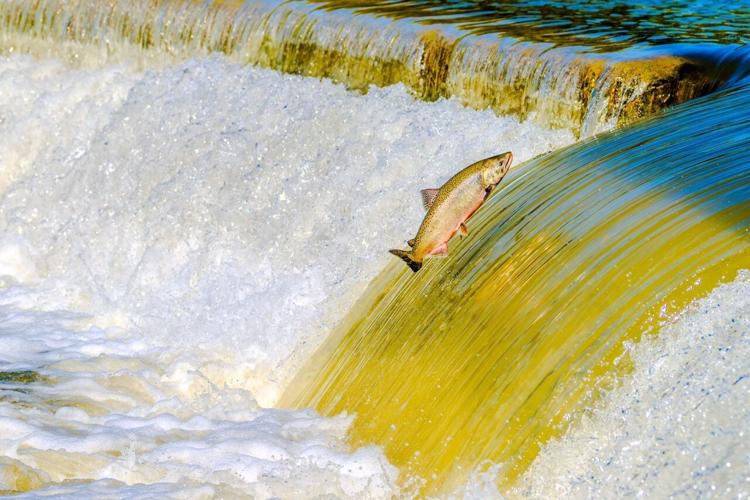
And migratory fish, like Atlantic salmon, are unable to move upstream because of reduced river flows.
An expert from The Wildlife Trusts has revealed just how devastating the impact of this weather is on our wildlife.
"Species that are already suffering from fragmented populations or declining due to other factors may be less able to cope with these additional pressures," explains Stan Smith, head of species and landscape recovery at The Wildlife Trusts.
"For those that depend on wetter habitats like wetlands, peatlands and rivers — such as wading birds, amphibians and fish — these extremes create a real risk."

Photo by Fatih Turan via Pexels
"Drought reduces river flows, increases water temperatures and lowers oxygen levels, making conditions stressful — or even fatal — for fish," Stan explains.
"As a migratory species, Atlantic salmon need sufficient river flows to reach their spawning grounds, while low water levels can prevent them from moving upstream.
"Then when rains do finally come, runoff from hard ground can bring with it a flush of pollutants, placing fish further at risk."
Stan says that Atlantic salmon are already classed as an endangered species in the UK, so additional stress from drought is a significant concern.
"Atlantic salmon are a keystone species that carry nutrients between marine and freshwater habitats, provide food for wildlife including otters and birds, and are an important indicator of river health," he explains.
Because of this, lots of other fish species will be struggling with the reduced water levels too.
And the National Farmers' Union (NFU) has warned that more food shortages can be expected if the current drought conditions continue, saying yields of wheat and oats were "very, very poor" this year.

(0) comments
Welcome to the discussion.
Log In
Keep it Clean. Please avoid obscene, vulgar, lewd, racist or sexually-oriented language.
PLEASE TURN OFF YOUR CAPS LOCK.
Don't Threaten. Threats of harming another person will not be tolerated.
Be Truthful. Don't knowingly lie about anyone or anything.
Be Nice. No racism, sexism or any sort of -ism that is degrading to another person.
Be Proactive. Use the 'Report' link on each comment to let us know of abusive posts.
Share with Us. We'd love to hear eyewitness accounts, the history behind an article.