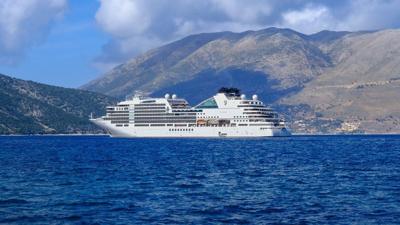
United States travelers may be turning away from large-scale cruise ships in favor of smaller, more tailored options. The latest consumer research from Internova Travel Group, one of the world's largest travel services companies, points to growing interest in boutique voyages and personalized travel despite a record 20% increase in expedition cruise prices.
The Surge in Interest for Smaller Vessels
Internova Travel Group's North American Travel Insights 2025 found that one-third of all travelers expressed interest in small-ship cruising, roughly the same share in both expedition cruises and luxury yacht voyages.
Among luxury and ultra-luxury travelers, this demand is even stronger. More than 80% are interested in luxury yacht cruising, and nearly two-thirds seek out expedition cruises.
The report also shows why North American travelers avoid traditional cruise ships. The leading concerns include claustrophobia or concerns about being stuck at sea (more than 40%), a desire to do things on their own schedule (more than 40%), and not being able to change the itinerary (more than 30%).
These barriers drive travelers toward the personalization and flexibility offered by smaller vessels. North American travelers no longer ask which cruise line is the best. Instead, they want to know which one fits them the best.
Personalization Through Travel Advisors
This is where travel advisors come in, matching travelers with the right ship, itinerary and experience.
"When travelers say they don't like cruises, it almost always means they were simply mismatched," says Teresa Tennant, senior vice president of Cruise Specialists, an award-winning luxury travel agency, in an official statement.
"The wrong cruise can feel like an expensive blind date. The right one feels like it was designed just for you," says Tennant.
Internova's 2025 report also finds 62% of travelers expect to use an advisor as their main booking channel in 2026, up from 47% in 2025. This pattern is particularly clear for higher-value trips, especially long-haul and longer-duration travel.
But the appeal is not just convenience. Travelers primarily value advisors for their destination expertise, ability to handle unexpected situations, and understanding of complex travel scenarios and travelers' personal preferences.
Whether it is securing a last-minute visa for a remote territory or rerouting a trip due to Antarctic weather, travelers now view human advisors as an essential safety net.






Growth for Expedition Cruises Despite Record Price Increase
Expedition cruises are small-ship journeys built around exploration rather than the traditional resort-at-sea model. They use smaller vessels to reach remote places that larger ships cannot. Guests often use Zodiac boats and kayaks for landings and close-up encounters in hard-to-reach destinations such as Antarctica, the Arctic and the Galápagos.
However, what truly sets expedition cruises apart from other forms of small-ship travel, including luxury yacht voyages, is the onboard experts. Naturalists, biologists, historians and photographers lead the excursions, offering a unique, educational aspect to the vacation.
According to the Internova report, expedition cruise prices have risen by more than 20% from 2023 to 2025, the largest increase of any cruise category. While prices grew by 5% in the first year of the study, they jumped by roughly 15% heading into 2025.
By comparison, traditional cruises rose about 5%, premium cruises climbed 13% and luxury cruises increased 7%. Still, the demand for expedition cruises is growing.
The "Micro-Cruise" Trend Among Younger Travelers
Younger travelers drive the small-ship trend, as they prefer shorter trips. Data suggests that the future of boutique voyages lies in high-impact, short-duration adventures that fit into the busier modern lifestyles of younger generations.
Internova's 2025 report finds more than 90% of travelers under 35 prefer cruises of nine nights or fewer. In fact, about 40% of this group prefers "micro-cruises" lasting fewer than five days.
Only about 10% of younger travelers want cruises lasting more than 10 days, and almost none would choose one that lasts more than 15 days.
By contrast, older travelers remain more comfortable with longer trips. While cruises of six to nine nights are their top choice, trips of 10 to 14 nights draw almost equally strong interest. 5% of them even say the ideal trip length is more than 15 days.
This generational divide goes beyond trip length since younger travelers are significantly more interested in private tours to maximize their limited time, while older travelers prefer slow-paced experiences and wellness activities such as spa or massage.
As the "personalization era" gains momentum, the cruise industry's success is less tied to ship size and more to the depth of the experience they offer. The message from North American travelers is clear. They are willing to pay more, stay for less time, and go further off the beaten path, but only as long as the trip feels made for them.
Sponsored by Internova. The Roam Report maintains full editorial independence. The brand did not review or approve our content before publication.


(0) comments
Welcome to the discussion.
Log In
Keep it Clean. Please avoid obscene, vulgar, lewd, racist or sexually-oriented language.
PLEASE TURN OFF YOUR CAPS LOCK.
Don't Threaten. Threats of harming another person will not be tolerated.
Be Truthful. Don't knowingly lie about anyone or anything.
Be Nice. No racism, sexism or any sort of -ism that is degrading to another person.
Be Proactive. Use the 'Report' link on each comment to let us know of abusive posts.
Share with Us. We'd love to hear eyewitness accounts, the history behind an article.