The pandemic elevated various gaps and inequities in our state, including the need to increase the number of Alabamians who possess postsecondary credentials or degrees to fulfill the workforce demands in our state.
In April, the Alabama State Board of Education voted to add completion of the Free Application for Federal Student Aid (FAFSA) as a high school graduation requirement with an opt-out provision for students and families. Alabama, along with four other states – Louisiana, Illinois, Texas and California – set this requirement in hopes of it increasing postsecondary access and completion rates to assist in our state’s effort of fulfilling the Governor’s goal of adding 500,000 highly skilled Alabamians with valuable postsecondary credentials by 2025.
According to the National College Attainment Network Nov. 19 data release, Alabama has seen a 12.1% increase in FAFSA completion from the Class of 2021 to the Class of 2022. This improvement means our state ranks 6th in the nation in year-over-year percentage change! Louisiana is in its fifth year of implementation and ranks fourth in the nation.
While this early capture of year-over-year FAFSA completion in Alabama is encouraging, we must continue to fully support families and students through the postsecondary access journey. With the increase in year-over-year comparison, we only rank 28th in the nation in FAFSA completion with just over 20% of seniors completing the FAFSA. Research reveals 92% of students who complete their FAFSA before graduating high school enroll in a postsecondary pathway the following fall.
This tremendous milestone could not be realized without the tireless efforts of counselors, career coaches and educators across our state. They are on the frontline to assisting their students, especially first-generation college-going, low-income and students of color, realize their dreams of continuing their education after high school without a financial barrier.
As I’ve stated before, equitable access to postsecondary education is not only an economic imperative, but a moral imperative and is a strategy to gaining 500,000 highly skilled employees in our workforce by 2025.
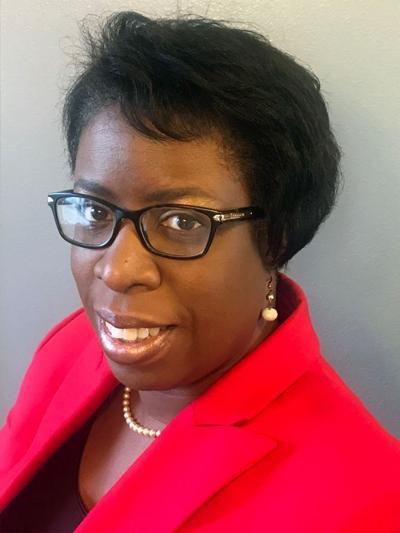
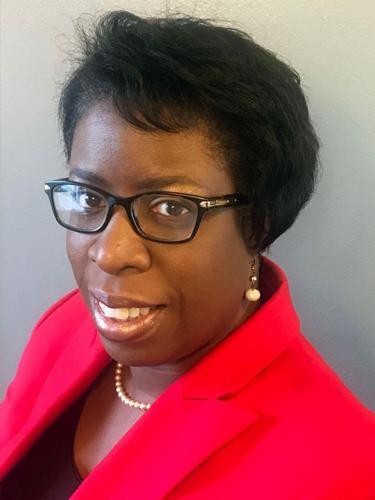
Chandra Scott is Executive Director of Alabama Possible, a statewide nonprofit organization that breaks down barriers to prosperity through advocacy, education and collaboration. Visit www.alabamapossible.org.
Keep it Clean. Please avoid obscene, vulgar, lewd,
racist or sexually-oriented language. PLEASE TURN OFF YOUR CAPS LOCK. Don't Threaten. Threats of harming another
person will not be tolerated. Be Truthful. Don't knowingly lie about anyone
or anything. Be Nice. No racism, sexism or any sort of -ism
that is degrading to another person. Be Proactive. Use the 'Report' link on
each comment to let us know of abusive posts. Share with Us. We'd love to hear eyewitness
accounts, the history behind an article.


(0) comments
Welcome to the discussion.
Log In
Keep it Clean. Please avoid obscene, vulgar, lewd, racist or sexually-oriented language.
PLEASE TURN OFF YOUR CAPS LOCK.
Don't Threaten. Threats of harming another person will not be tolerated.
Be Truthful. Don't knowingly lie about anyone or anything.
Be Nice. No racism, sexism or any sort of -ism that is degrading to another person.
Be Proactive. Use the 'Report' link on each comment to let us know of abusive posts.
Share with Us. We'd love to hear eyewitness accounts, the history behind an article.