Since the 2020 election cycle, the Truth, Racial Healing & Transformation Selma (TRHT Selma) initiative, a partnership between the Black Belt Community Foundation (BBCF) and the Selma Center for Nonviolence (SCNTR), has continued to provide educational and restorative outreach in our community. In 2022 we are furthering our efforts by helping residents better understand the values and vision of the candidates in the District Attorney (4th Judicial Circuit) and Dallas County Sherriff’s races.
As a part of the work, TRHT Selma brings community members from all walks of life together to volunteer on design teams, think tanks focused on the areas of Law, Economy, and Separation. The design teams have developed a list of questions and are hosting one-on-one interviews prior to the election to offer voters insight on candidates’ thoughts related to critical issues impacting our community’s ability to enforce laws and offer just outcomes.
Candidates were invited to share their vision and responses via a live, virtual one-on-one chat to be broadcasted live via Facebook and YouTube.
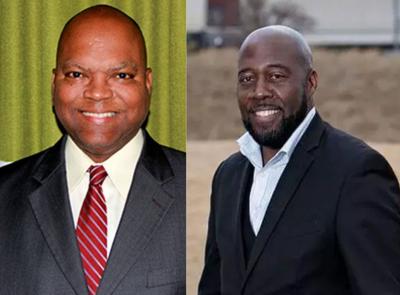
From the questions posed by TRHT, here are answers from District Attorney candidate Robert Turner Jr. Opponent Michael Jackson did not respond to multiple requests to send answers to the same questions.
How does your faith inform your ideas of justice specifically for felonies and violent crimes?
Turner: God has provided us biblical illustrations of his laws and the precepts that we should govern ourselves by. As a man of faith, I firmly believe that our lives should be patterned after God's laws.God's law disfavors the activities that constitute most felony offenses. Notwithstanding, God is afavoring God, a merciful God and a just God. He condemns the behavior and sin, but not the individual.Forgiveness, mercy and justice are available to all, but that doesn't mean that atonement and accountability for one's actions are excused. Justice for victims requires accountability to be meted out to those that offend.
Are you familiar with the concept of restorative justice, and if so, how do you see it in action in your practices? What is your definition of restorative justice and what role do you see it playingin the justice system?
Turner: By definition, Restorative Justice is an approach to justice where one of the responses to acrime is to organize a meeting between the victim and the offender and the community to restore harmony between the parties. In the criminal justice system, there are opportunities for the restorativejustice concept to be applied. Vestiges of it are already in place. The commitment and follow through onits functionality are what is lacking in the Circuit we practice. Victims are represented by the District Attorney's Office whereas Defendants (Accused) are either self-represented or represented by Defense Counsel. When the system works as it should, District Attorneys should find out what their clients or victims would like to see as a resolution to the conflict and initiate conversation towards that resolutionwith the accused. The Defendant, or accused, either individually or through representatives, should then share their views on how the issue should be resolved or settled. This is already known as the“plea process.” The goal should be to determine if an accused is responsible for the act, and if so, was it intentional, neglect or mistakenly committed. Can the accused make amends? Restore what was lost?Or, be rehabilitated? These in my view are the primary ways that restorative justice operates within our system.
Studies have proven that white and black people use and sell drugs at about the same rate, and yet black people are more likely to be arrested and prosecuted for selling and possessingdrugs. How will they be prosecuted for selling and possessing drugs? How will you ensure that black and poor communities are not disproportionately policed and prosecuted?
Turner: In our area it does not surprise me that the numbers disproportionately reflect that more black people are prosecuted for selling and possessing drugs due to the fact that this is a “majority minority”circuit, wherein Blacks outnumber whites by large number. In this area, that would result in more Blacks being arrested and prosecuted for crimes. However, that should not affect how suspects or defendants are treated. The treatment of offenders should be the same regardless of skin color or economicstatus. I would ensure that those persons eligible to participate in drug court and other diversion programs are offered that opportunity and that service offenders who are ineligible for those programsare treated the same in accordance to what the law dictates.
What policies/practices/training are you going to have in place for officers to effectively communicate with residents? How are you going to gain residents’ trust? Do you believe lawenforcement leaders understand their officer’s treatment of community residents and how might this understanding/lack of understanding contribute to street justice/retaliation?
Turner: I don’t directly, nor will I, if elected have the ability or authority to control the actions of law enforcement officers. However, I do plan to frequently work with law enforcement officers to keep themup to date with the latest developments in the law. I plan to meet with the officers involved in the cases that are made to discuss the cases with them in advance of hearings and trials, and also afterwards to troubleshoot and to teach and learn about how to consistently enhance the public’s trust of law enforcement. The community deserves professional, efficient and courteous
service and those serving the public should prioritize providing that type of service.
Since the DA is responsible for ensuring the Grand Jury monitors the conditions of the jail, what’s your plan to ensure that the jail conditions are safe and inhabitable for inmates? Is it your policy to recommend that mental evaluations, addiction, and other root cause issues are addressed? What role, if any, do you believe the Grand Jury should play in ensuring inmates get mental health and addiction evaluations?
Turner: I plan to allow the members of the Grand Jury to visit, observe and take notes of their observation of all of the county jails on a regular basis. In addition, I want to form a solid working relationship with the county commissioners, probate judges, sheriffs and jailers so that we can candidly and openly communicate with one another about the legal rights and obligations that should beafforded to persons in jails.
With regards to the recommendation that mental evaluations, addictions and other root cause issues are addressed, I plan to make program applications for substance abuse courts and mental healthcourts available for all eligible participants where it appears as if those issues may have somerelevance to a particular matter.
What is your vision for our criminal legal (justice) system to ensure that it is just for all? What do you see is working well in the legal system and what changes will you make?
Turner: My vision for the criminal justice system is that the victims of crimes are made whole when that is possible and that the proper persons responsible for the commission of crimesare brought to justice. I want
persons capable of being rehabilitated to be afforded the opportunity, but those persons who have repeatedly offended the public or committed offenses that have pose a risk to public safety through violent activities be punished in accordance to the law.
What are your thoughts on the current bail system? What, if any, changes would you like to seein how the bail system works in our community?






Turner: The current bail system is designed to ensure that persons accused of crimes appear in court when their appointed date and time comes. Bail is not designed to punish a person prior to conviction, but to provide assurance to the Court that the Defendant will appear in court.Rich people or people with means often have little to no difficulty posting bond. Poverty stricken people often do. I support elimination of cash bonds for persons who are indigent (cannot afford to hire their own attorney). However, I do support the setting of the highest lawful bonds for serious offenses involving dangerous weapons, sexual offenses and notorious and repeat offenders.
What do you believe is your role, if any, in helping residents to better understand the legal process as well as any law/policy changes within our criminal legal (justice) system?
Turner: My role in helping the residents to better understand the legal process and thelaw/policy changes within our criminal legal justice system is to be as visible and active in the courts and the community as possible. I believe in interacting with schools, clubs and organizations frequently to inform them about the criminal justice system, its purpose and itsfunctions.


(0) comments
Welcome to the discussion.
Log In
Keep it Clean. Please avoid obscene, vulgar, lewd, racist or sexually-oriented language.
PLEASE TURN OFF YOUR CAPS LOCK.
Don't Threaten. Threats of harming another person will not be tolerated.
Be Truthful. Don't knowingly lie about anyone or anything.
Be Nice. No racism, sexism or any sort of -ism that is degrading to another person.
Be Proactive. Use the 'Report' link on each comment to let us know of abusive posts.
Share with Us. We'd love to hear eyewitness accounts, the history behind an article.