Let me begin by saying that I like Charles Bennett. He conducted a respectable campaign, worked his district and earned substantial support from Ward 1 voters. His willingness to serve should be acknowledged.
However, completing a campaign does not create an automatic right to inherit a public office when the winning candidate’s seat later becomes vacant.
The 2025 Selma Ward 1 election included three candidates: incumbent Councilman Troy Harvill, Charles Bennett and Felicia King-Thomas. The City of Selma’s official candidate list confirms that all three qualified for the August 26, 2025 municipal election.
The reported Ward 1 results were:
- Troy Harvill: 382 votes — 45.8%
- Charles Bennett: 240 votes — 28.8%
- Felicia King-Thomas: 212 votes — 25.4%
- Total votes cast: 834
Those figures calculate precisely as follows:
- Harvill: 382 divided by 834 — 45.80%
- Bennett: 240 divided by 834 — 28.78%
- King-Thomas: 212 divided by 834 — 25.42%
The direct comparison is important.
Harvill received 142 more votes than Bennett and led him by approximately 17 percentage points. Harvill received 170 more votes than King-Thomas and led her by approximately 20.4 percentage points.
By contrast, Bennett received only 28 more votes than King-Thomas. Just 3.4 percentage points separated second place from third place.
Those numbers matter because Bennett did not come close to leading the original election. He narrowly earned the second position in the runoff over King-Thomas, while Harvill finished significantly ahead of both challengers.
Harvill did not win outright in August because Alabama law requires a district council candidate to receive a majority of the votes cast in that district. A majority means more than 50 percent—not necessarily 51 percent exactly. When no candidate receives a majority, the law requires another election between the two candidates who received the highest numbers of votes.
Because Harvill received 45.8 percent, he did not cross the majority threshold. Harvill and Bennett therefore advanced to the Sept. 23 runoff. The city later certified the August results after reviewing provisional ballots, and those ballots did not change which candidates advanced.
That runoff answered one specific question: whom did Ward 1 voters prefer between Harvill and Bennett after King-Thomas had been eliminated?
It did not answer an entirely different question: whom would Ward 1 voters choose today in an open-seat election without an incumbent on the ballot?
That distinction matters.
Bennett’s 44 Percent Came From the Runoff—Not the Original Election
In the early morning hours of July 25, 2026, Charles Bennett made a Facebook post concerning the vacancy in Selma City Council Ward 1. In that post, he emphasized that he earned approximately 44 percent of the vote. That percentage deserves acknowledgment, but it came from the later two-person runoff against Harvill.
In the original August election, Bennett received 28.8 percent, not 44 percent.
That is an important distinction because the August election measured support among three candidates. Bennett finished only 28 votes ahead of King-Thomas, while Harvill led Bennett by 142 votes.
The August result gave Bennett the right to advance to the runoff. It did not establish him as the preferred candidate in an open-seat race, nor did it create an automatic line of succession if Harvill later stopped serving.
The votes cast for Bennett were votes for him in that particular election. They were not advance authorization for him to assume the office later if the winning candidate’s seat became vacant.
Our ballots do not contain a succession clause.
The Original Field Was Shaped by an Incumbent
Incumbency affects who decides to run.
Some qualified Ward 1 residents may have chosen not to challenge Harvill because they supported him, respected his prior service, had worked with him or simply did not want to oppose an established incumbent.
Now that the seat is vacant, those residents may view the race differently.
The political circumstances have changed. The incumbent is no longer seeking reelection. The seat is open. Residents who stayed out of the 2025 contest should not be denied the opportunity to run merely because Bennett narrowly finished second in the first round and later lost the runoff.
The August numbers strengthen that argument.
Bennett earned 240 votes, but King-Thomas earned 212. Only 28 votes separated them. King-Thomas’s supporters deserve consideration just as Bennett’s supporters do. So do residents who might support a candidate who did not enter the race while Harvill was still the incumbent.
Awarding Bennett the seat without another election would effectively treat a narrow second-place finish as a permanent claim on the office.
That is not what the voters decided.
Forty-Four Percent Is Support, Not Succession
Mr. Bennett’s runoff support should be respected. He ran a serious campaign and demonstrated that he could attract a substantial number of Ward 1 voters.
But he did not win.
The runoff selected Harvill. Bennett’s approximately 44 percent did not place him in reserve as the automatic successor for the remainder of Harvill’s four-year term.
Public office is not compensation for campaign labor. Candidates campaign for the opportunity to be elected. They do not earn a future appointment simply because they knocked on doors, met residents or finished second.
Mr. Bennett argues that it would be unfair to appoint someone who did not perform the work he performed during the campaign. But the proper remedy is not to hand him the office. The proper remedy is to let him run again.
He would enter a special election with significant advantages: name recognition, recent campaign experience, established relationships and a demonstrated base of support.
He should be allowed to make his case again. So should King-Thomas. So should every other qualified Ward 1 resident.
The Vacancy Presents a New Question
The 2025 election has already been decided. Harvill won the runoff and became the elected Ward 1 councilman.
The current vacancy is not a continuation of Bennett’s previous campaign. It is a new circumstance requiring a new decision.
The August election occurred with an incumbent in the race. A special election would occur with an open seat. That difference can affect the candidates who enter, the issues emphasized, voter participation and the final result.
A Special Election Would Not Disrespect Bennett’s Voters
Holding another election would not disregard the 240 people who supported Bennett in August or the voters who supported him in the runoff.
Those voters would remain free to vote for him again.
A special election would also respect the 212 residents who supported King-Thomas, the residents who supported Harvill but may now prefer another candidate, the people who did not participate in the earlier race, qualified residents who may have declined to challenge an incumbent and every Ward 1 voter who deserves a voice in selecting the person who will serve the remainder of the term.
The democratic response to competing claims is not to silence everyone except the previous runner-up. It is to conduct another election.
Voting Rights Must Apply Consistently
Selma cannot celebrate its voting-rights history only when the issue is national, partisan or politically convenient.
Voting rights must also guide decisions made inside Selma City Hall.
Voting rights mean protecting access to the ballot, allowing qualified candidates to compete and ensuring that public officials receive authority from the people they represent.
An appointment may be legally available, but legality alone does not determine which option gives Ward 1 residents the strongest voice.
When most of a four-year term remains, allowing Ward 1 residents to select their representative directly provides greater democratic legitimacy than treating the previous second-place finisher as the presumptive successor.
This is not an argument against Charles Bennett.
It is an argument for the process.
Let Ward 1 Decide
Charles Bennett ran a good campaign. He earned 240 votes in August, advanced to the runoff and received approximately 44 percent in the two-person contest.
Those accomplishments make him a credible candidate for another election.
They do not give him ownership of the seat.
The August numbers show why the process should be reopened:
- Harvill led Bennett by 142 votes.
- Bennett led King-Thomas by only 28 votes.
- Bennett received 28.8 percent in the original three-candidate race.
- No candidate received a majority, which legally triggered the runoff.
- The runoff elected Harvill, not Bennett.
- The vacancy now presents circumstances that did not exist during the original campaign.
The August election gave Bennett a place in the runoff. It did not give him a permanent claim on Ward 1.
The fairest outcome is neither to reject Bennett nor to install him automatically. It is to place his name, along with the names of every other qualified candidate, before the voters.
Let Charles Bennett run. Let Felicia King-Thomas run. Let others run. Most importantly, let the people of Ward 1 decide who represents them.
Editor's Note: The Selma City Council on July 24 announced they will ask Mayor Johnny Moss III to move forward on a special election to replace Troy Harvill in the Ward 1 council seat.
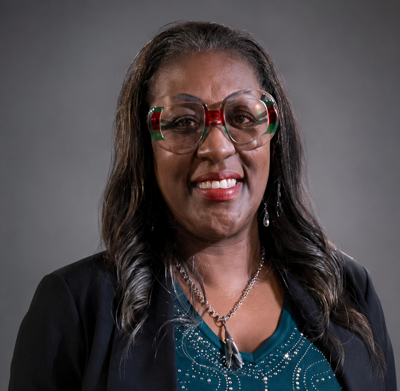
Kimesha Houston Alvarado, also known as “Sunshine” Alvarado, is a Selma-based community advocate, media personality, and civic commentator rooted in the historic Black Belt region. A military veteran with a background in logistics, communications, and public engagement, she uses media, community dialogue, and historical perspective to discuss voting rights, civic engagement, culture, and the evolving role of Black institutions in modern America.

(0) comments
Welcome to the discussion.
Log In
Keep it Clean. Please avoid obscene, vulgar, lewd, racist or sexually-oriented language.
PLEASE TURN OFF YOUR CAPS LOCK.
Don't Threaten. Threats of harming another person will not be tolerated.
Be Truthful. Don't knowingly lie about anyone or anything.
Be Nice. No racism, sexism or any sort of -ism that is degrading to another person.
Be Proactive. Use the 'Report' link on each comment to let us know of abusive posts.
Share with Us. We'd love to hear eyewitness accounts, the history behind an article.