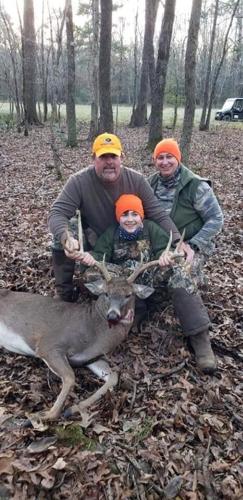
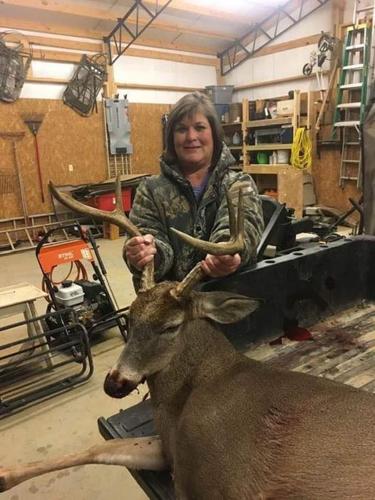
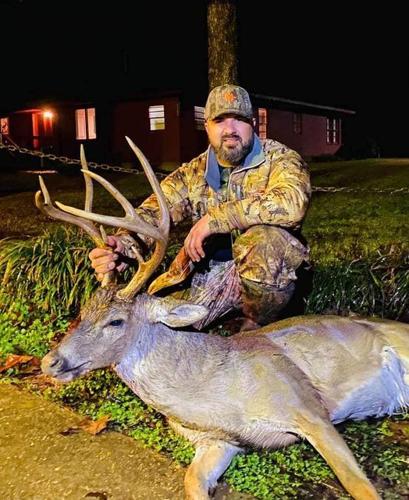
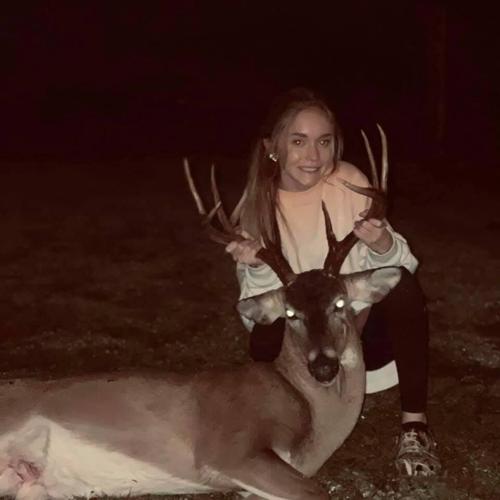

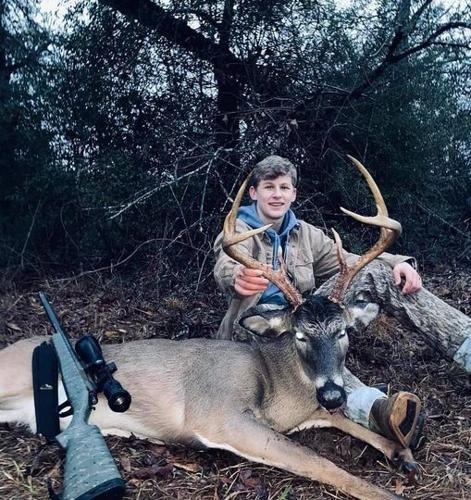
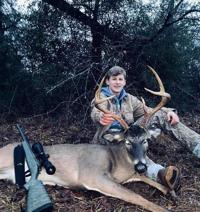
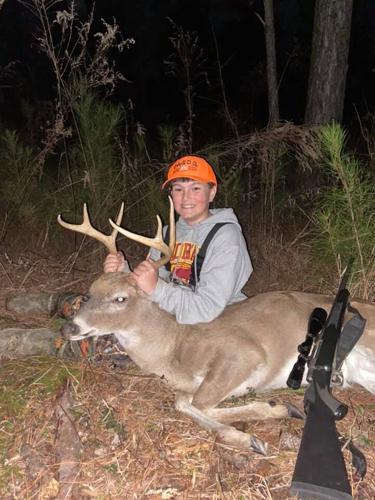
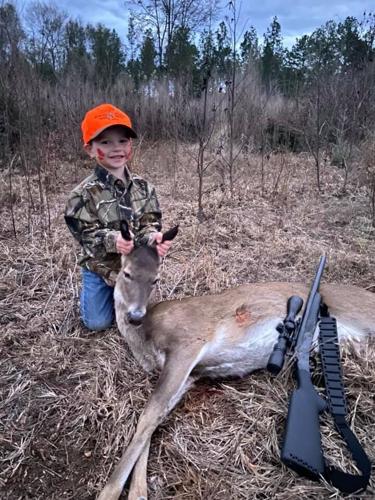
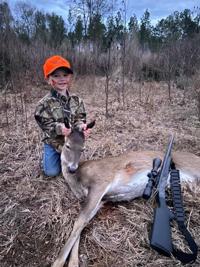
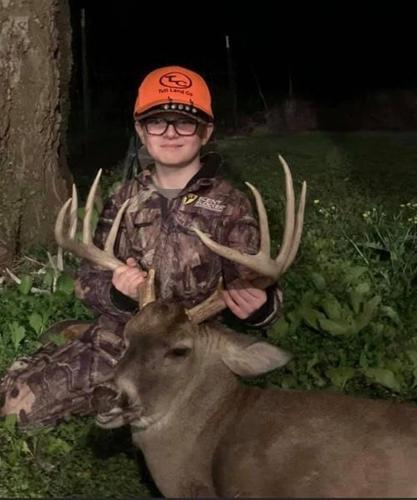
Deer season 2020-2021 is history, and hunting experts are calling it one of the best deer seasons in quite a while.
“As far as I’m concerned, it was outstanding,” said Alabama Wildlife and Freshwater Fisheries (WFF) Director Chuck Sykes. “We had good weather and a bumper crop of acorns, so the deer are fat and healthy.”
Outdoor promoter, podcaster and all-around outdoor guru James “Big Daddy” Lawler agreed. “I’ve been keeping up with it for a lot of years, but I have never seen so many really big deer harvested in a year as I have seen this season,” Lawler said. “There were some big bucks taken this year.”
Both Sykes and Big Daddy report a huge increase in the number of deer reported through Game Check, the mandatory reporting system for hunters. Sykes said about 52,000 harvests were reported through Game Check at the end of 2019. By Dec. 31, 2020, there were almost 105,000 reports.
One reason for the increase in reporting is WFF brought back the toll-free harvest reporting phone number for people who do not want to deal with a phone app or computer, Sykes said. And this time a real person answered, not an automated tape. Another factor leading to an increase in reporting is a new provision of the Game Check law that requires hunters to report when they transfer possession of their harvest, including when a hunter takes his deer to the processor. Sykes said this has helped increase the number of harvests reported, but Lawler said he is afraid the added paperwork is costing processors business.
Sykes and Lawler agree that there were also more people in the woods hunting this year. “People were in the woods taking advantage of the good weather, and they were harvesting some deer,” Sykes said. Hunting license sales were up considerably.
The demographics of hunters also changed. “I’ve never seen as many youth hunters and lady hunters as I have this year,” Lawler said. Lawler and Sykes speculated that the pandemic led people to rediscover hunting and outdoor activities.
This season saw the addition of two new hunting zones that Sykes said help hunters have a better harvest. Because of the way the deer population was restocked in the 1940s and 1950s “some of the northern deer rut early and drop antlers early, so we shifted the season in these new zones to help hunters take advantage of that early rut,” Sykes said. These new zones and any adjustments to seasons and bag limits are based on data collected through Game Check.
Both Sykes and Big Daddy said the number of hunting accidents is down this season. WFF Hunter Education Coordinator Capt. Marisa Futral said the No. 1 accident is tree stand accidents. “All of them could be prevented if they would just wear a safety harness,” she said. “Also not leaving their tree stands up in the tree for years and years. They need to take them down every year.”
Firearm accidents are another common problem. Hunters must take time to verify what is in their scope. As for the people who have the most accidents, Futral said, “It’s the people who have been hunting for years and have gotten complacent that have the most accidents. New hunters have taken the hunter education class and it’s fresh on their minds.”
As for changes for next year’s deer season, Lawler said he would like to see a streamlining of the paperwork related to the transfer of possession law. Sykes said at this point no real changes are in the works. He said there might be “a few minor tweaks in the new zones.”
No deer hunting story is complete without mentioning Chronic Wasting Disease (CWD). Sykes said that CWD has not been found in Alabama yet, but it has been found in northeast Mississippi just 25 miles from the Alabama state line.
“We told everybody three years ago when Mississippi first found it that the natural progression of CWD is really slow,” Sykes said. “That’s why we had an extensive education program explaining our laws about not bringing deer live or dead or certain parts of deer into our state.”
Sykes said in three years since CWD was found in Mississippi, it has only gotten two miles closer. Sykes said patrols continue watching for potential violators, and some have been caught. Alabama has had an extensive CWD testing program for several years. Sykes asks hunters to participate in the program by leaving a sample from their harvest at one of the collection points across the state. In Selma that is at the Central Alabama Farmer’s Co-op.
Lawler reported seeing feed corn bags that have flown out of the back of pick-up trucks and carcasses left after hunters clean the meat from the harvest. Lawler said he fears the waste from a hunt thrown on the side of the road could turn people against hunting and hunters.
Sykes and Lawler said they are looking forward to next deer season, but there are some other hunting seasons to enjoy first. Squirrel and rabbit season is on until March 7. For feral swine, coyote, raccoon and opossum there is no closed season. The next big season to come in is turkey season March 27 through May 2.
For information and details on hunting and fishing in Alabama, check out www.outdooralabama.com.
To hear Big Daddy’s Gettin’ Outdoors with Big Daddy Lawler podcast, go to www.gettinoutdoorsradio.com. Check out the Gettin’ Outdoor with BDL Facebook page at https://www.facebook.com/gettinoutdoors/


(0) comments
Welcome to the discussion.
Log In
Keep it Clean. Please avoid obscene, vulgar, lewd, racist or sexually-oriented language.
PLEASE TURN OFF YOUR CAPS LOCK.
Don't Threaten. Threats of harming another person will not be tolerated.
Be Truthful. Don't knowingly lie about anyone or anything.
Be Nice. No racism, sexism or any sort of -ism that is degrading to another person.
Be Proactive. Use the 'Report' link on each comment to let us know of abusive posts.
Share with Us. We'd love to hear eyewitness accounts, the history behind an article.