





(Photo by Dan Rivera via Pexels)
By Stephen Beech
People who eat bacon and sausages are more likely to develop arthritis in their knees, warns a new study.
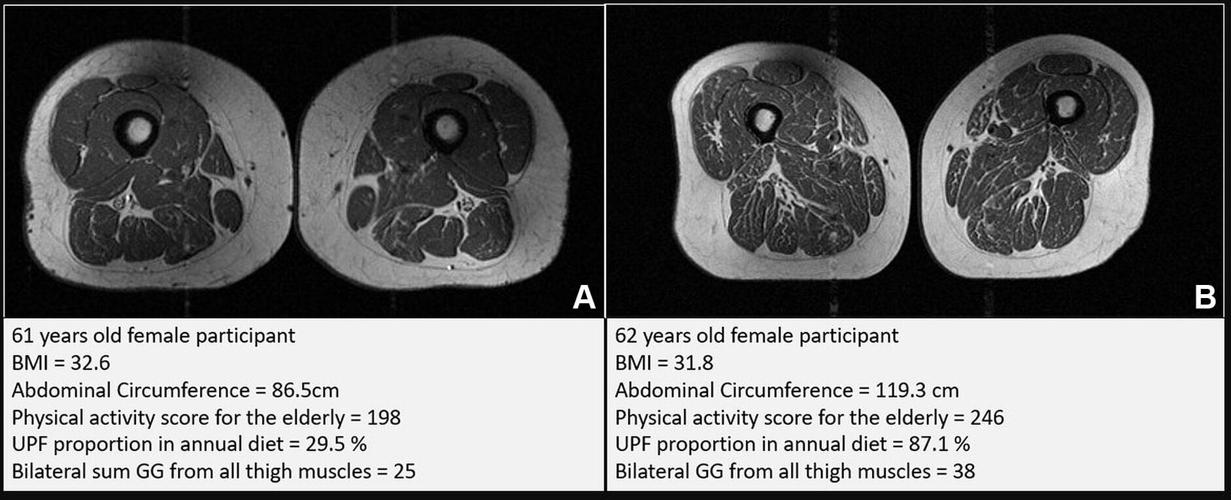
Researchers found that a diet high in ultra-processed foods is associated with higher amounts of fat stored inside thigh muscles — regardless of calorie intake and physical activity.
Higher amounts of intramuscular fat in the thighs can potentially increase the risk for crippling knee osteoarthritis, say scientists.
Ultra-processed foods, or UPFs, are ready-to-eat-or-heat items made with ingredients extracted from foods or synthesized in labs, with little or no whole foods in their composition.
They usually have longer shelf lives and can be highly appealing and convenient.
But they are high in added sugar, fat and salt, and low in protein and fiber.
Common examples include bacon and sausages, breakfast cereals, ham, burgers, ice cream, chips, mass-produced bread, canned baked beans, cookies, soft drinks, fruit-flavored yogurts, instant soups and some alcoholic drinks.
Previous studies have found that the combination of sugar, fat, salt and carbohydrates in UPFs affect the brain's reward system, making it hard to stop eating.

(University of California, San Francisco / Radiology via SWNS)
For the new research, published in the journal Radiology, American researchers set out to assess the relationship of UPF intake and intramuscular fat in the thigh.
The team analyzed data from 615 people with an average age of 60 who participated in the Osteoarthritis Initiative — a study that helps researchers better understand how to prevent and treat knee osteoarthritis — who were not yet affected by osteoarthritis.
Study lead author Dr. Zehra Akkaya said: "Over the past decades, in parallel to the rising prevalences of obesity and knee osteoarthritis, the use of natural ingredients in our diets has steadily diminished and been replaced by industrially processed, artificially flavored, colored and chemically altered food and beverages, which are classified as ultra-processed foods.
"Osteoarthritis is an increasingly prevalent and costly global health issue.
"It constitutes one of the largest non-cancer-related health care costs in the United States and around the world.
"It is highly linked to obesity and unhealthy lifestyle choice."






On average, the study participants were overweight with a body mass index (BMI) of 27.

(Photo by FunkcinÄs Terapijos Centras via Pexels)
Around 41% of the food they consumed over the previous year was ultra-processed.
The research team found that the more ultra-processed foods people consumed, the more intramuscular fat they had in their thigh muscles, regardless of calorie intake.
Akkaya, from the University of California, San Francisco, explained that can be seen via MRI scans as fatty degeneration of the muscle, where streaks of fat replace muscle fibers.
She said: "In addition to investigating the quality of our modern diet in relationship to thigh muscle composition, in this study, we used widely available, non-enhanced MRI, making our approach accessible and practical for routine clinical use and future studies.
"These MRIs do not require advanced or costly technology, which means they can be easily incorporated into standard diagnostic practices."
Akkaya says the study provides valuable insights into dietary influences on muscle health by exploring how UPF consumption impacts muscle composition.
She said: "This research underscores the vital role of nutrition in muscle quality in the context of knee osteoarthritis.

(Photo by RDNE Stock project via Pexels)
"Addressing obesity is a primary objective and frontline treatment for knee osteoarthritis, yet the findings from this research emphasize that dietary quality warrants greater attention, and weight loss regimens should take into account diet quality beyond caloric restriction and exercise."
Targeting modifiable lifestyle factors — usually prevention of obesity via a healthy, balanced diet and adequate exercise — has been the mainstay of initial management for knee osteoarthritis.
The researchers say also reducing UPF consumption may help preserve muscle quality, which in turn could alleviate the burden of knee osteoarthritis.
Akkaya said: "In recent years, several researchers have shown detrimental impacts of ultra-processed food on various health outcomes, but data on the relationship of ultra-processed food and body composition in the context of knee osteoarthritis is limited.
"This is the first study assessing ultra-processed food's impact on thigh muscle composition using MRI."
She added: "By exploring how ultra-processed food consumption impacts muscle composition, this study provides valuable insights into dietary influences on muscle health."

(0) comments
Welcome to the discussion.
Log In
Keep it Clean. Please avoid obscene, vulgar, lewd, racist or sexually-oriented language.
PLEASE TURN OFF YOUR CAPS LOCK.
Don't Threaten. Threats of harming another person will not be tolerated.
Be Truthful. Don't knowingly lie about anyone or anything.
Be Nice. No racism, sexism or any sort of -ism that is degrading to another person.
Be Proactive. Use the 'Report' link on each comment to let us know of abusive posts.
Share with Us. We'd love to hear eyewitness accounts, the history behind an article.