



Mark Paton
By Stephen Beech
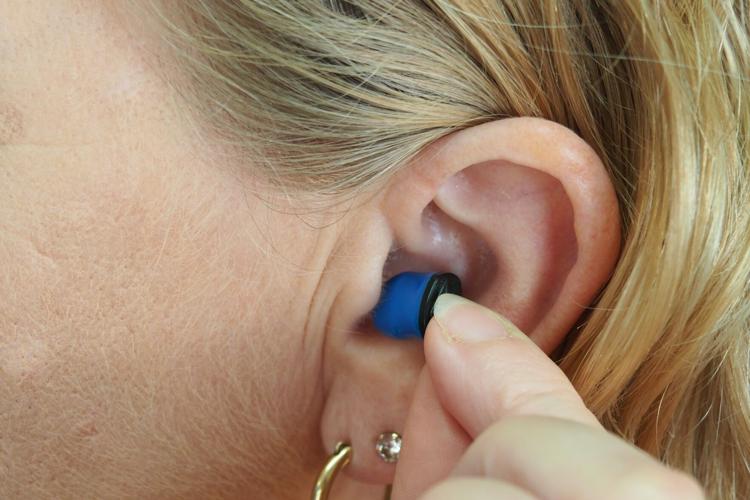
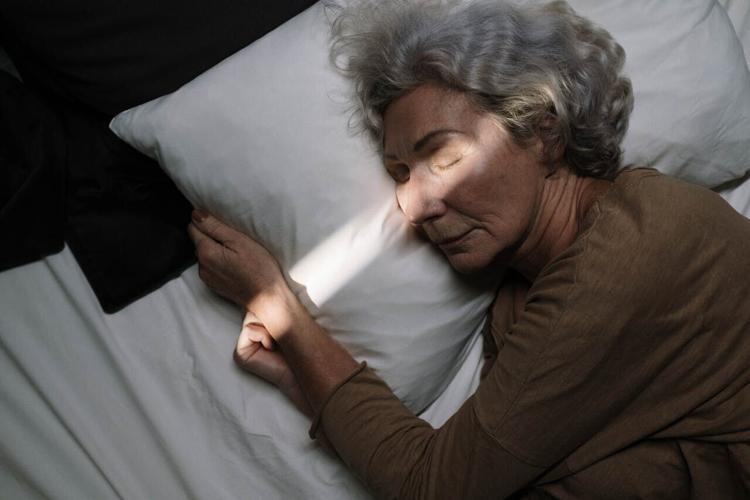
Ear plugs are better than trendy "pink noise" for protecting sleep quality, according to new research.
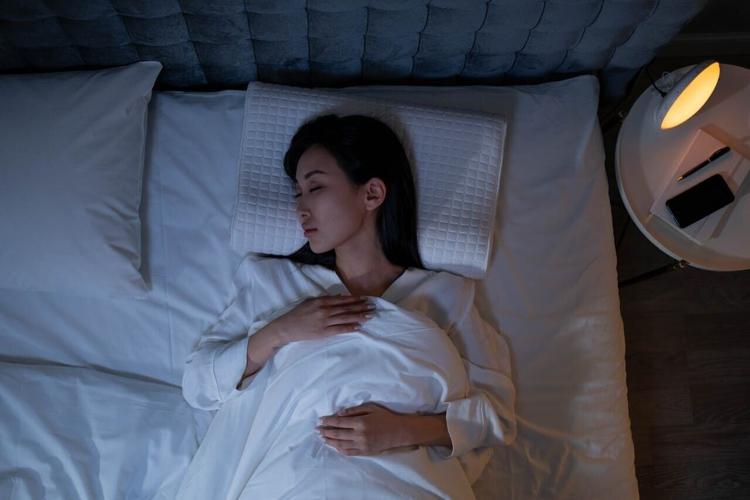
Ambient sounds or pink noise - often used to promote better patterns of sleeping - may in fact reduce restorative REM sleep and interfere with sleep recovery, say American scientists.
In contrast, earplugs were found to be "significantly" more effective in protecting sleep against traffic noise, according to the study.
The findings, published in the journal Sleep, challenge the widespread use of ambient sound machines and apps marketed as sleeping aids.
Study lead author Professor Mathias Basner said: “REM sleep is important for memory consolidation, emotional regulation and brain development.
"So our findings suggest that playing pink noise and other types of broadband noise during sleep could be harmful - especially for children whose brains are still developing and who spend much more time in REM sleep than adults."

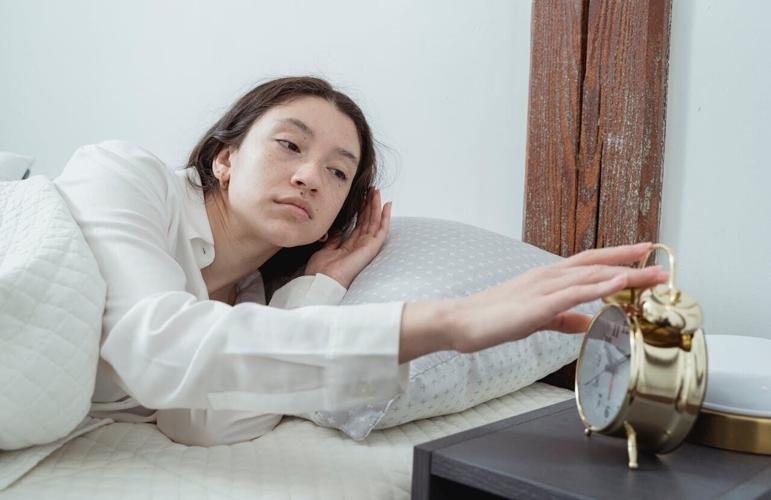
(Photo by cottonbro studio via Pexels)
The research team observed 25 healthy adults, ages 21 to 41, in a sleep laboratory during eight-hour sleep opportunities over seven consecutive nights.
Participants reported not previously using noise to help them sleep or having any sleep disorders.
They slept under different conditions, including being exposed to aircraft noise, pink noise, aircraft noise with pink noise and aircraft noise with earplugs.
Each morning, they completed tests and surveys to measure sleep quality, alertness, and other health effects.
Basner, from the University of Pennsylvania Perelman School of Medicine, explained that when we sleep, we cycle multiple times through periods of deep sleep and REM sleep.
He said: "Deep sleep is important for physical restoration, for memory consolidation, and for clearing toxins from the brain.

(Photo by Andrea Piacquadio via Pexels)
"REM sleep, also called dream sleep, is important for emotional regulation, for motor skills, and for brain development.
"This way, deep and REM sleep complement each other, and collectively guarantee that we wake up restored in the morning, ready for the next day."
Basner explained that pink noise is a type of broadband noise - a continuous sound spread across a wide range of frequencies - that sounds uniform and static-like.




Broadband noise also includes white noise and other noise colours such as brown and blue noise.
Basner says the different noise colours differ in their energy content across the audible spectrum which determines whether they sound high-pitched or low-pitched.
Nature sounds - such as the ocean or rain - are also broadband sounds, and many household appliances like air conditioning units and fans produce broadband sounds.

(Photo by Ron Lach via Pexels)
Exposure to aircraft noise - compared to none - was associated with about 23 fewer minutes per night spent in “N3” - the deepest sleep stage.
Earplugs prevented the drop in deep sleep to a large extent.â¯
Pink noise alone at 50 decibels - often compared to the sound of a “moderate rainfall” - was associated with a nearly 19-minute decrease in REM sleep.â¯
If pink noise was combined with aircraft noise, both deep sleep and REM sleep were significantly shorter compared to noise-free control nights, and time spent awake was now also 15 minutes longer, which had not been observed in aircraft noise only or pink noise only nights.
Participants also reported that their sleep felt lighter, they woke up more frequently, and their overall sleep quality was worse when exposed to aircraft noise or pink noise, compared to nights without noise - unless they used earplugs.
The researchers said the findings suggest not only that earplugs - which are used by around one in six people to sleep - are likely effective, but also that the overall health effects of pink noise and other types of broadband noise “sleep aids” need to be studied more thoroughly.
Millions of people play back broadband noise during sleep every night.

(Photo by Miriam Alonso via Pexels)
For instance, white noise and ambient podcasts accounted for three million daily hours on the Spotify platform, and the top five videos on YouTube to the prompt “white noise” have been watched more than 700 million times.
However, research on the effects of broadband noise on sleep remains inconclusive.
REM sleep disruption is a common feature in disorders including depression, anxiety, and Parkinson’s disease.
Basner noted that young children, compared to adults, spend much more time in REM sleep - and so may be particularly vulnerable to the ill effects of pink noise.
But it is common that parents place sound machines next to the bed of their newborn babies or toddlers, with the good intention to help them fall and stay asleep.â¯
Basner added: “Overall, our results caution against the use of broadband noise, especially for newborns and toddlers, and indicate that we need more research in vulnerable populations, on long-term use, on the different colours of broadband noise, and on safe broadband noise levels in relation to sleep."â¯



(0) comments
Welcome to the discussion.
Log In
Keep it Clean. Please avoid obscene, vulgar, lewd, racist or sexually-oriented language.
PLEASE TURN OFF YOUR CAPS LOCK.
Don't Threaten. Threats of harming another person will not be tolerated.
Be Truthful. Don't knowingly lie about anyone or anything.
Be Nice. No racism, sexism or any sort of -ism that is degrading to another person.
Be Proactive. Use the 'Report' link on each comment to let us know of abusive posts.
Share with Us. We'd love to hear eyewitness accounts, the history behind an article.