


Photo by MART PRODUCTION via Pexels
By Stephen Beech
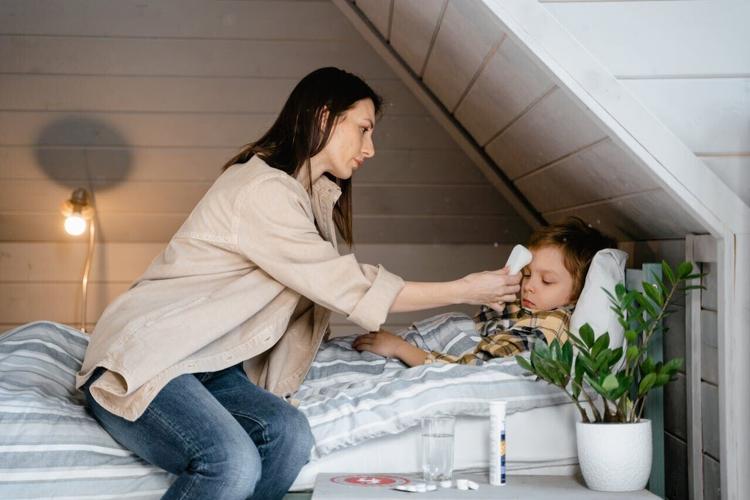
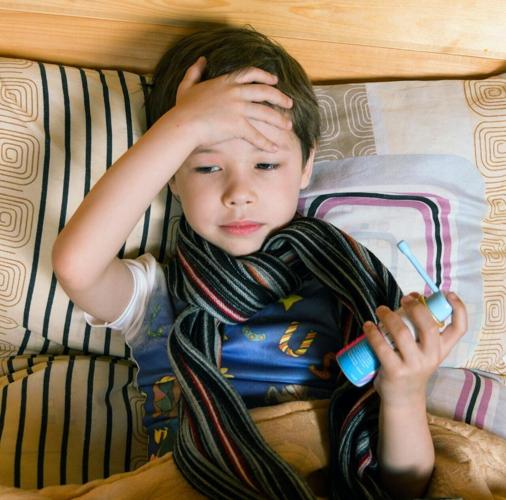
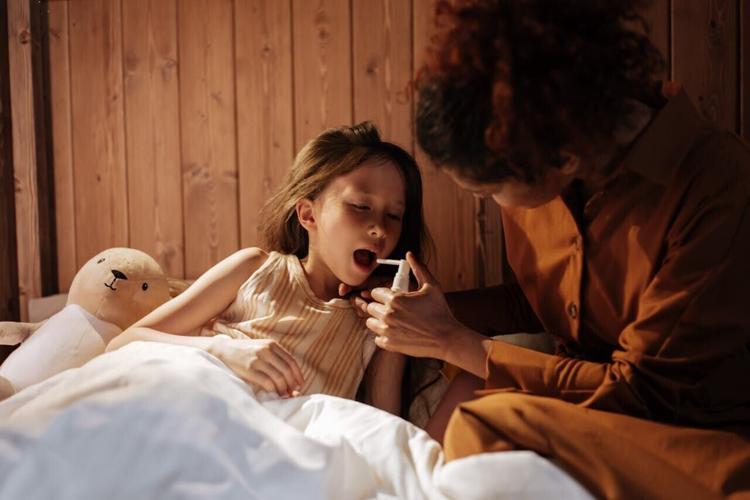
Mother really does know best when it comes to their children's health, reveals new research.
A parent’s concern is a warning sign - correctly identifying a youngster's sudden severe illness in over 90% of cases, according to the findings.
A parent’s intuition about their child’s condition is a "significant" medical indicator, scientists say.
The Finnish study showed that even comprehensive digital symptom questionnaires may not improve assessment if the parent’s underlying concern is overlooked.
The findings indicate that a simple question about concern can help quickly identify most children with sudden and severe illness - supporting early clinical attention.
Clear or strong concern from parents identified as many as 91% of seriously ill children, according to the findings published in JAMA Network Open.
The study included 2,375 patients at the children’s and adolescents’ emergency department of Oulu University Hospital.

Photo by Vika Glitter via Pexels
Moms and dads completed an extensive questionnaire before the professional assessment.
Around one in four children were found to have a severe illness requiring intensive care, surgery or a prolonged hospital stay.
A key finding was that additional questions or more detailed medical information in the questionnaire didn't improve the accuracy of parents’ advance assessments.





Study leader Dr. Hilla Pöyry said: “Parental concern is an important warning sign.
"If a parent is worried about the condition of their suddenly ill child, the child must have the opportunity to be assessed by a doctor.
"A worried parent should not be left alone to make a remote assessment of their child’s condition.”
The study examined whether reliable home-use tools could be developed for parents to assess the condition of a sick child.
But the extensive 36-item questionnaire did not produce a sufficiently sensitive or accurate method to replace an emergency department visit – especially in situations where the parent was already concerned about the child’s condition.

Photo by Ron Lach via Pexels
Researchers say the study provides an important perspective for the health and social care discussion at a time when digital and AI-based tools are being widely introduced in healthcare services.
Pöyry, a specialist in pediatrics at the University of Oulu and Oulu University Hospital, added: "Our results show that such tools require careful validation, and they do not yet replace the assessment of a healthcare professional.
"Although a parent may not always be able to describe the child’s symptoms in detail or accurately, they recognize a serious illness very well when asked a simple concern-based question."
The findings add further evidence to the perception that parental intuition is more likely to predict critical illness among children than vital signs used to monitor health.
Researchers from Monash University, Australia, previously found that parental concern was associated with a higher likelihood a child would need to be given help to breathe, or mechanical ventilation.
The study, published in the Lancet’s journal on Child and Adolescent Health last year, noted that in 19.3% of cases parents voiced concerns about deterioration before vital signs indicated the child was deteriorating.


(0) comments
Welcome to the discussion.
Log In
Keep it Clean. Please avoid obscene, vulgar, lewd, racist or sexually-oriented language.
PLEASE TURN OFF YOUR CAPS LOCK.
Don't Threaten. Threats of harming another person will not be tolerated.
Be Truthful. Don't knowingly lie about anyone or anything.
Be Nice. No racism, sexism or any sort of -ism that is degrading to another person.
Be Proactive. Use the 'Report' link on each comment to let us know of abusive posts.
Share with Us. We'd love to hear eyewitness accounts, the history behind an article.