


Do Americans feel safe at work? Survey reveals growing concerns
Historically, workplace safety was largely associated with physical precautions, such as wearing protective gear and preventing slips and falls. However, evolving workforce demographics, shifting regulatory landscapes, and rapid technological advancements are redefining what safety means in the modern workplace. To gain deeper insight into these transformations, a nationwide survey of 1,000 American workers was conducted by EMCI Wireless, a Florida-based Motorola and two-way radio telecommunications provider, exploring worker perceptions and real-world experiences related to workplace safety.
Key Findings
- 46% of Americans fear a coworker could turn violent on the job.
- 43% of Americans have taken time off due to burnout or mental health stress, and 1 in 4 have even quit a job over these safety concerns.
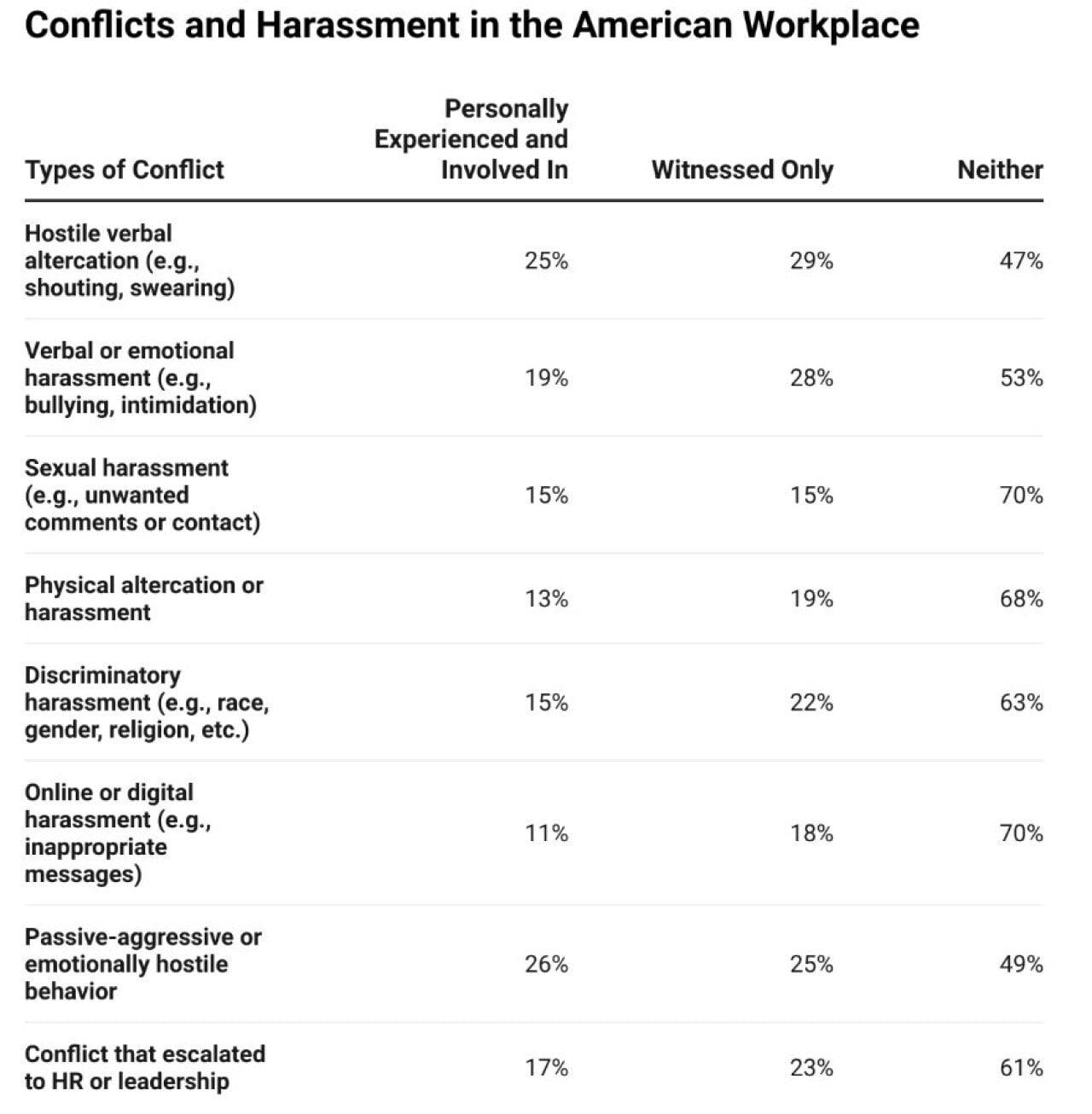
- 53% of Americans have seen a hostile verbal conflict at work, and more than 1 in 4 were involved themselves.
- Nearly 1 in 4 Americans accept dangerous responsibilities at work due to fear of being fired, prioritizing income over their own safety.
- 38% of Americans would feel less safe with guns permitted at work, but 48% of Gen Z say armed coworkers would make them feel safer.
- More than 1 in 3 Americans say recent ICE activity has made their workplace feel less safe.
- Safety concerns cause nearly 1 in 3 Americans to lose focus at work multiple times a week, and 1 in 10 are so burned out they want to quit every single day.
What Workers Fear Most in 2025
Top Workplace Safety Concerns
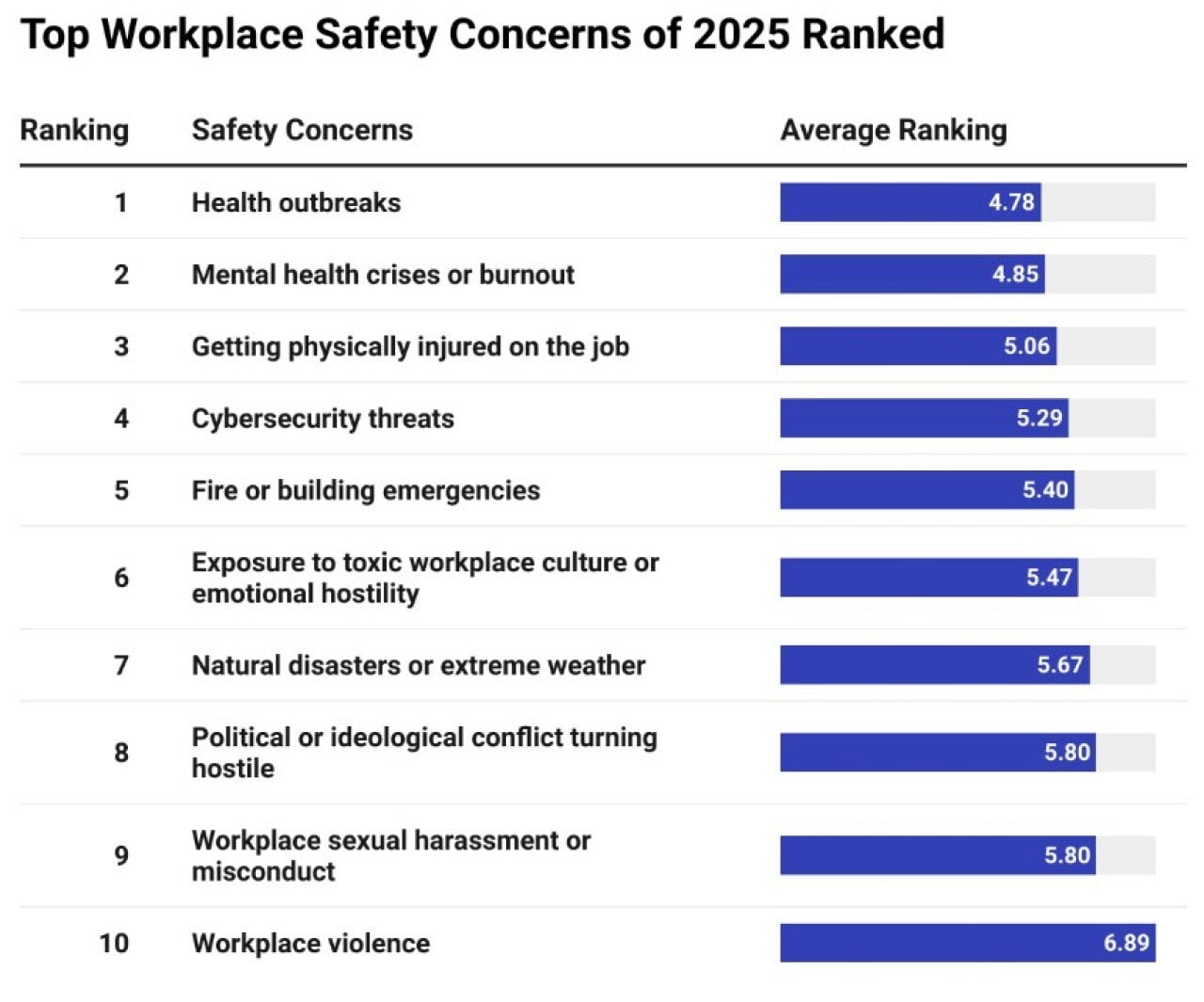
When it comes to safety concerns, Americans as a whole are most worried about health outbreaks, such as the flu and COVID-19. Interestingly, Gen Z breaks away from this pattern. Their top fears are physical injury and mental burnout. Women, in particular, rank burnout as a bigger threat than men do.
That is not the only concern shaping today’s workplace. When asked whether they feared a coworker might commit an act of violence on the job, 46% of U.S. workers said yes, with one in five experiencing this fear within the last year.
Safety Is Not Just Physical
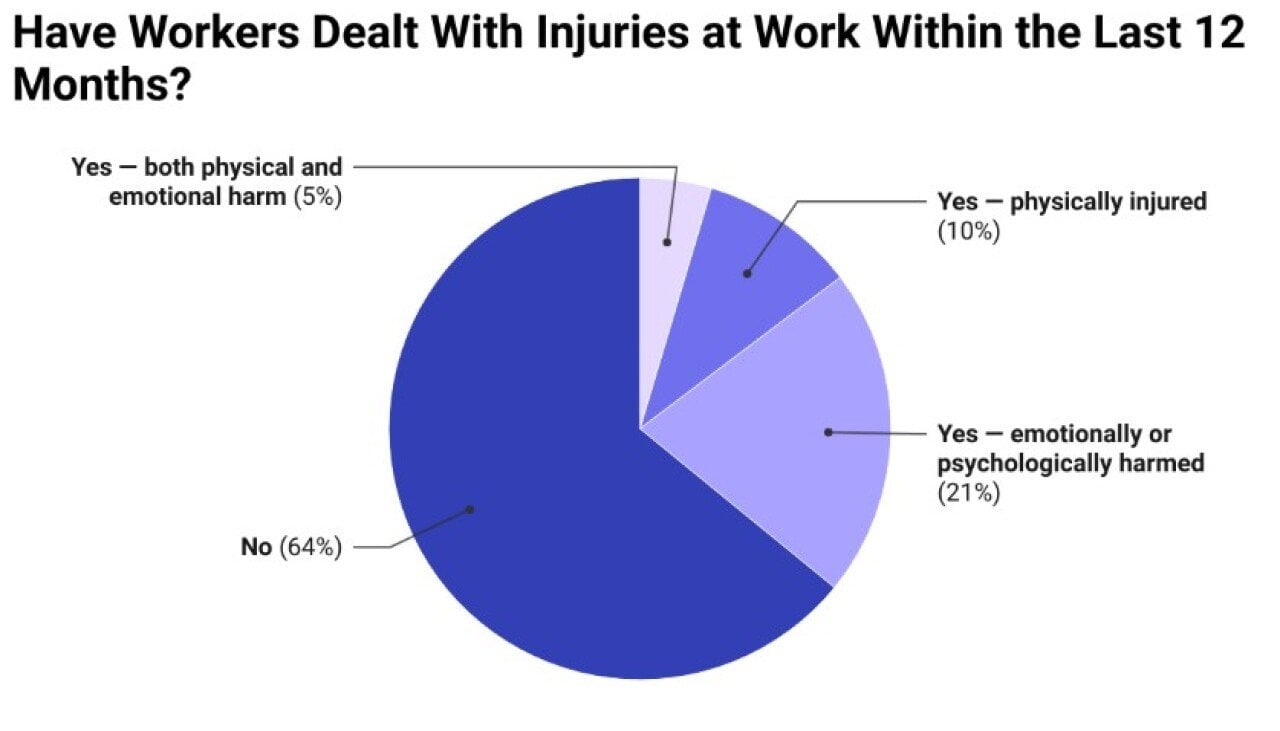
Workplace safety is no longer limited to ladders and fire exits. Mental and emotional well-being now play a major role. Gen Z leads all generations in reporting emotional harm or dual injury at work at 41%, while baby boomers are the least likely to report the same at 17%.
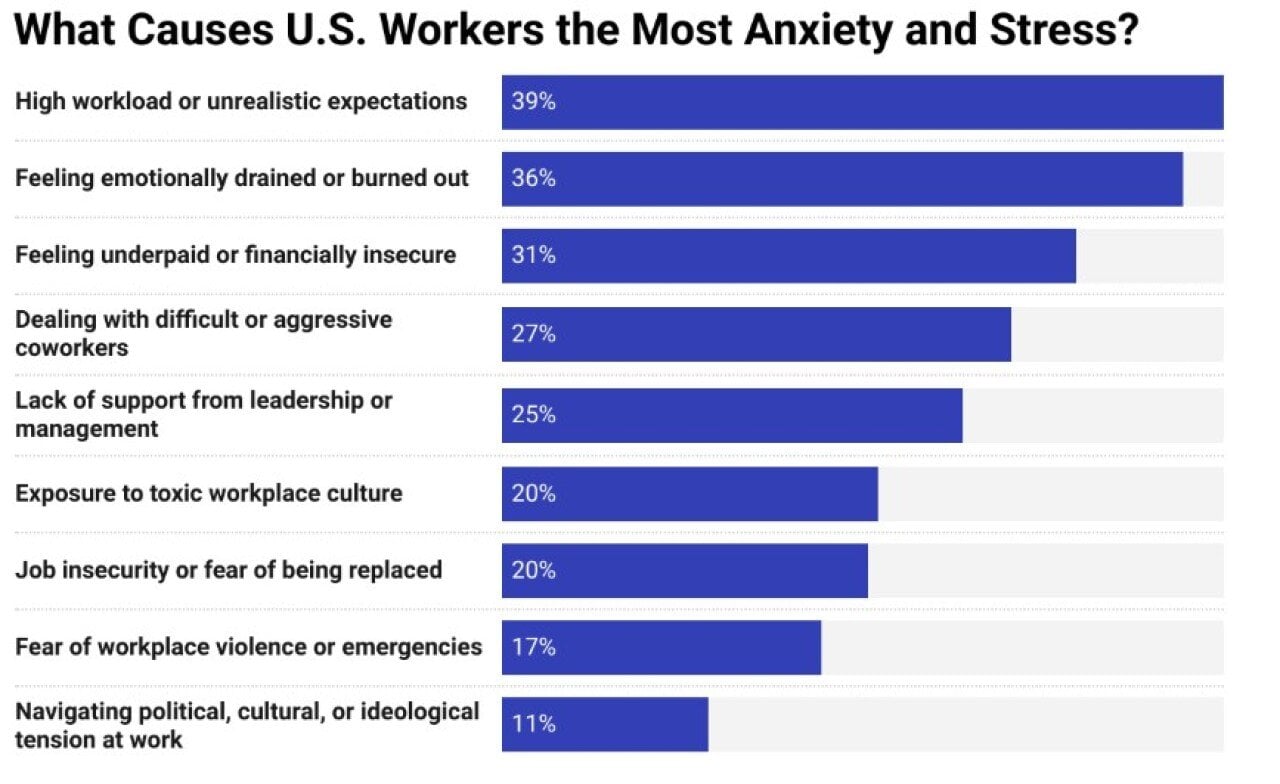
The biggest stressors driving employees toward burnout and resignation include high workloads, unrealistic expectations, and feeling emotionally drained. At the bottom of the list are challenges related to navigating cultural, political, or ideological differences.
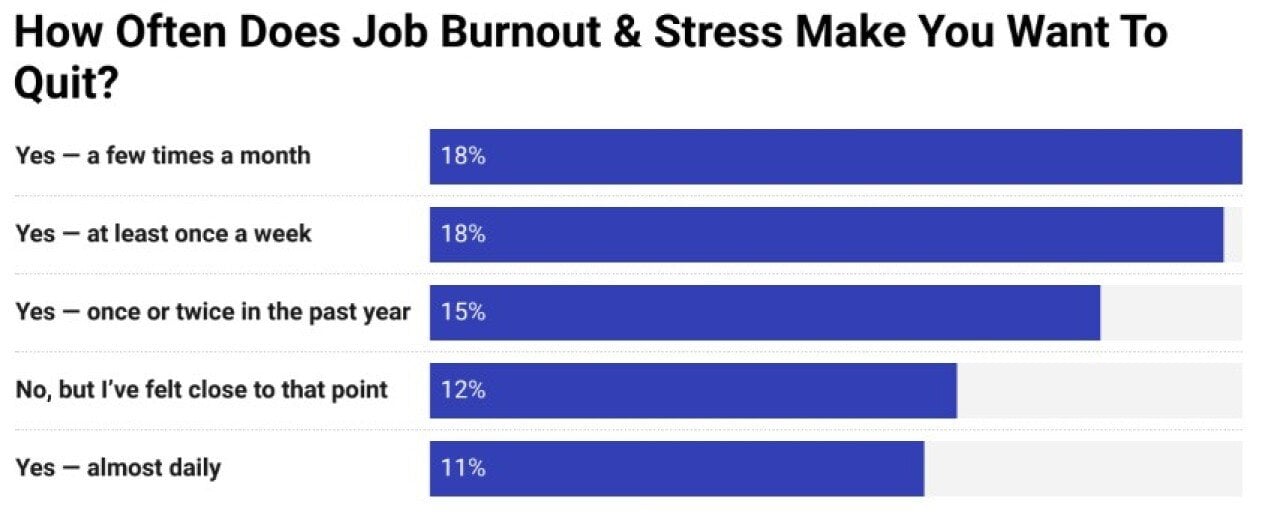
The toll of these stressors is significant. Gen Z is the most likely generation to consider quitting due to burnout at least a few times a month, with 63% reporting this sentiment compared to 47% of Americans overall. Many report feeling this pressure weekly or even daily.
For some workers, safety concerns lead directly to resignation. Nearly one-quarter of U.S. workers have quit a job due to safety concerns, a figure that rises to 38% for Gen Z. Eleven percent of Gen Z workers report quitting within the past 12 months, underscoring safety as both a compliance and retention issue.
Gen Z Is Struggling to Focus, and Safety May Be to Blame
Safety concerns are taking a measurable toll on focus and productivity. Forty-five percent of Gen Z workers report being distracted by safety concerns at least a few times a week, with many stating that these distractions negatively impact job performance.
Nearly Half of U.S. Workers Are Calling Out Due to Job Stress and Burnout
When asked about calling out or taking sick days, 17% of Americans said they had done so out of fear of physical harm or feeling unsafe at work. An even larger share, 43%, reported calling out due to stress, burnout, or mental health exhaustion. That number rises sharply among Gen Z workers, with 58% saying they have called out due to stress or burnout.
“I Couldn’t Afford to Say No”: Pressure and Risk-Taking at Work
Sometimes safety takes a back seat to financial survival or job security.
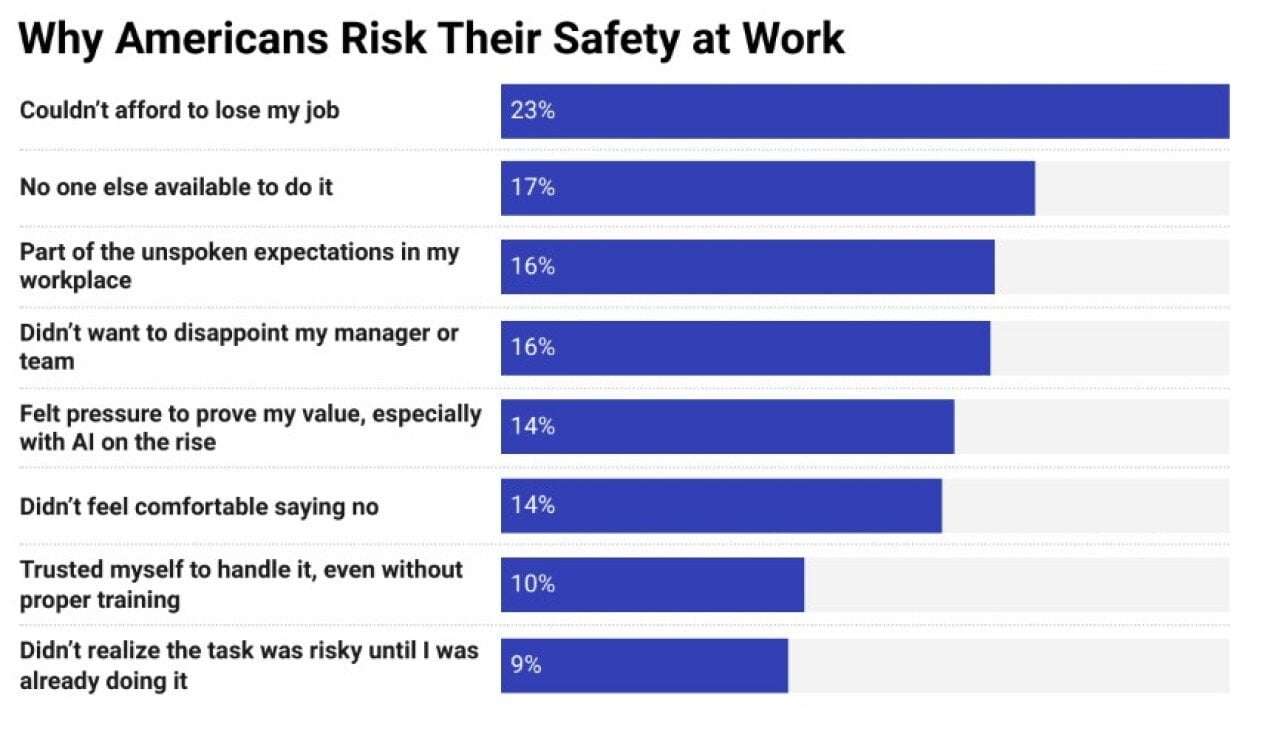






Gen Z workers are significantly more likely than other generations to take on risky tasks because they fear being replaced by AI. Twenty-one percent of Gen Z report this concern, compared to just 5% of baby boomers.
Economic pressure compounds the issue for lower-income workers. Twenty-seven percent of Americans earning under $50,000 have accepted dangerous or high-stress responsibilities because they could not afford to lose their jobs. This is nearly triple the rate of workers earning more than $150,000 annually.
Voicing Concerns and Facing the Consequences
Speaking up about safety remains difficult for many workers. Nearly one in five are uncomfortable raising safety concerns due to fear of retaliation or being ignored.
These concerns are not hypothetical. Fifty-three percent of Americans have been involved in or witnessed a hostile verbal altercation at work within the past year. When safety concerns are raised without meaningful follow-through, trust erodes quickly.
Mixed Feelings About AI in the Workplace
Opinions on AI in the workplace are evenly divided. Half of U.S. workers want greater AI integration, while the other half remain hesitant due to concerns around job security, ethics, and oversight.
Twenty percent of workers strongly support increased AI and smart technology use for workplace safety, while an additional 30% support AI adoption only in specific situations, such as emergencies or alert systems.
DEI Downturns and Political Tensions
Most Americans have not noticed major changes in workplace diversity, equity, and inclusion efforts. However, younger workers report a different experience. Thirteen percent of millennials and 14% of Gen Z workers say DEI efforts have declined, contributing to feelings of insecurity.
Immigration enforcement and ICE activity have added another layer of anxiety. Thirty-seven percent of Americans say such actions have affected their sense of workplace safety. At the same time, political expression at work is increasing. Forty-eight percent of workers report seeing more political discussion on the job, and 18% say it has made them feel less safe.
The Trust Gap: Would Coworkers Have Your Back in a Crisis?
Fifteen percent of Americans say they are not confident that coworkers or leadership would keep them safe during an emergency. This trust gap highlights the need for clearer communication, stronger training, and better preparedness across organizations.
Would Firearms in the Workplace Make Workers Feel Safer? Gen Z Is More Open to It
While one-third of U.S. workers say allowing firearms in the workplace would make them feel safer, 38% say it would make them feel less safe. Gen Z is the most open to the idea, with 48% saying armed coworkers would increase their sense of safety, compared to just 15% of baby boomers. This divide reflects generational differences in how protection and risk are perceived.
What Employers Need to Hear
Although 84% of workers say their employer has an emergency or evacuation plan, only 55% report understanding it clearly. This gap presents both a risk and an opportunity.
Employers are encouraged to move beyond policy documents and foster cultures rooted in empathy, transparency, and psychological and physical safety. Reliable communication tools, including two-way radios, can play a critical role in improving preparedness and response during unsafe situations.
Workplace safety in 2025 is no longer limited to hard hats and hazard signs. It now encompasses trust, mental well-being, and adaptability in an increasingly complex work environment. Employers who invest in communication, clarity, and worker well-being are more likely to retain engaged, focused, and resilient teams.
Summary
The findings in this report illustrate that workplace safety has evolved into a multifaceted issue involving physical risk, emotional well-being, trust, and communication. As employee expectations continue to shift, organizations face growing pressure to address safety in ways that go beyond compliance.
Clear communication, preparedness, and reliable tools play a growing role in how safe employees feel day to day. This research was conducted by EMCI Wireless, a Motorola and two-way radio telecommunications provider based in Florida.
Methodology
The findings presented in this report are based on a nationwide survey of 1,000 U.S. citizens age 18 and older who work or have worked in person in the past 12 months. The survey was conducted in September 2025 via Pollfish and asked respondents a series of questions regarding their experiences and perceptions of workplace safety.
The data pool was designed to reflect a comprehensive look at workplace safety in the United States. Results were aggregated and analyzed to identify broad trends related to workplace safety and generational perceptions.
This story was produced by EMCI Wireless and reviewed and distributed by Stacker.


(0) comments
Welcome to the discussion.
Log In
Keep it Clean. Please avoid obscene, vulgar, lewd, racist or sexually-oriented language.
PLEASE TURN OFF YOUR CAPS LOCK.
Don't Threaten. Threats of harming another person will not be tolerated.
Be Truthful. Don't knowingly lie about anyone or anything.
Be Nice. No racism, sexism or any sort of -ism that is degrading to another person.
Be Proactive. Use the 'Report' link on each comment to let us know of abusive posts.
Share with Us. We'd love to hear eyewitness accounts, the history behind an article.