



(Photo by cottonbro studio via Pexels)
By Lauren Wilkin
A dietitian is warning TikTok users to ignore viral health trends that do more bad than good — and could lead to serious mental and physical health issues.
Hazel Shore, a registered dietitian, says she wants to cut through the noise of diet culture and misinformation that's influencing young people.
She said: "Restricting food from a young age in this way is setting them up to adopt unhealthy eating habits in adult life, which can have extremely dangerous consequences on their mental and physical health."
After reviewing the latest "health" trends doing the rounds on TikTok and Instagram, these are the six she warns against.

(Photo by Denys Gromov via Pexels)
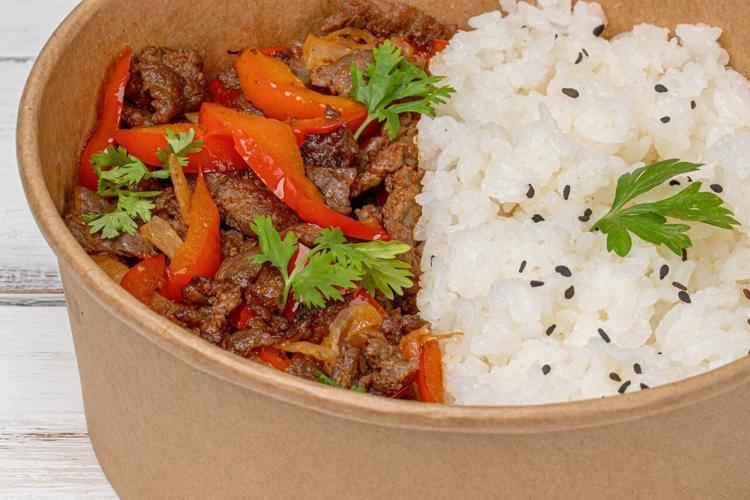
1. Boy kibble
Boy kibble refers to a repeated meal of ground beef and rice, mixed together to resemble pet food. Health influencers swear by it for gaining muscle and staying lean.
"On the surface, this trend is actually based on foods that can make up a nutritious diet," says Hazel, who's a dietitian at Phlo Clinic, a U.K. digital pharmacy.
"Meals such as rice with ground beef and vegetables can provide a good balance of carbohydrates, protein and fat.
"However, the problem with this trend is the resemblance to pet food, and its blandness.
"A healthy, nutritious diet should be one that you enjoy eating, and it should also be varied.
"No single meal is going to give you everything you need, so if you're consistently eating the same meat, carbohydrates and small selection of vegetables, you could be missing out on important vitamins, minerals, fiber and other nutrients."

(Photo by Pegah Sharifi via Pexels)
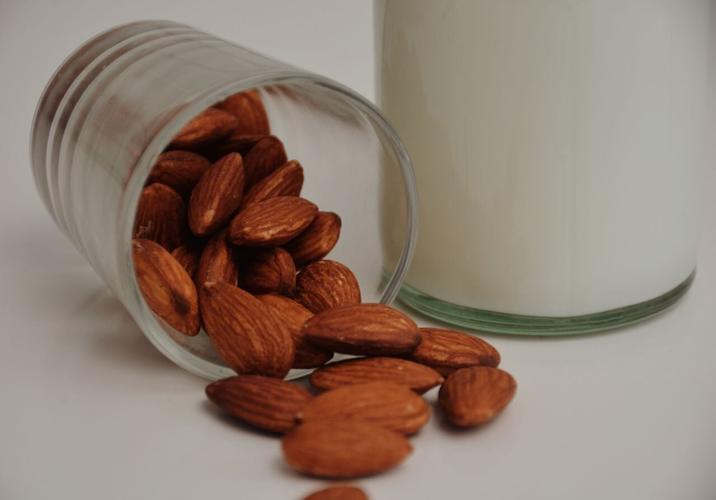
2. Almond mom
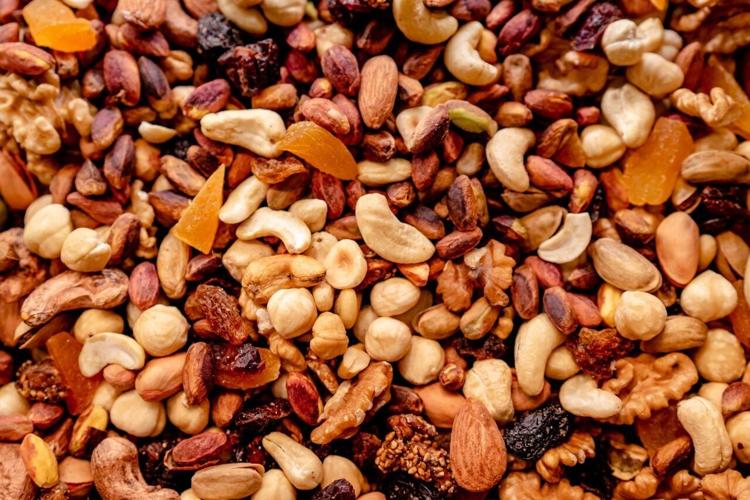
The almond mom trend refers to mothers who suggest their children eat a single almond if they're hungry.
"This trend is particularly alarming, especially as it promotes potentially unhealthy eating habits in children," Hazel says.
"There is a big difference between teaching healthy eating and balanced nutrition habits, and imposing an anxiety driven mentality around food, which this trend seems to do.
"Children are not simply 'mini adults.' They have different nutritional requirements to support their growth and development, and these needs change as they grow.
"Restricting food from a young age in this way is setting them up to adopt unhealthy eating habits in adult life, which can have extremely dangerous consequences on their mental and physical health."

(Photo by JÉSHOOTS via Pexels)
3. Fiber maxxing
Fiber maxxing is the latest trend to optimize your diet as best as you can, and it basically refers to increasing your fiber intake significantly.
"Adults are recommended to have around 30 grams of fiber a day. Most people aren't getting enough fiber in their diet, with around 16 to 19 grams being pretty average.
"My issue really is that, like most TikTok trends, an extreme can be promoted when people exaggerate trends for likes and views.
"Most fiber isn't digested in the same way as other nutrients, and increasing your intake too much or too quickly can cause some pretty uncomfortable digestive side effects.
"Suddenly eating a lot more fiber can lead to gas, bloating, stomach cramps and changes to your bowel habits, particularly if you're not drinking enough fluid.
"Your body needs time to adjust to an increase in fiber."



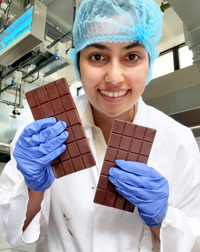
Hazel also says that focusing heavily on one aspect of your diet means you can neglect other important nutrients.

(Photo by Atlantic Ambience via Pexels)
4. Protein maxxing
Similar to fiber maxxing, this trend simply aims to optimize a diet to have as much protein as possible in every meal and snack.
"As a registered dietitian, my aim will always be to help people, whether they have general or specific needs, build healthy eating habits that work for them," Hazel says.
"So trends that promote one way of eating to everyone, particularly ones focused heavily on a single nutrient like 'protein maxxing,' are ones I find concerning and frustrating.
"This one in particular can be costly and potentially excessive. More protein does not always mean more health benefits.
"Your individual requirements depend on factors including your age, body size and how active you are, and most people don't need the very high amounts being promoted in some of these videos."
Health guidelines state you should opt for about 0.75 grams per kilogram of your body weight.
"'Protein maxxing' can also put unnecessary pressure on your bank account and encourage you to buy heavily marketed high-protein products you may not need," Hazel says.
"And if the focus on protein starts displacing things like fruit, vegetables, wholegrains and other sources of fiber, you could end up with a less balanced diet overall."

(Photo by cottonbro studio via Pexels)
5. Parasitic cleanse
Social media is awash with videos claiming common symptoms like bloating and fatigue are down to parasites living in our gut — and to get rid of them, we need to "cleanse" using certain foods and supplements.
"This trend is really alarming because it spreads misinformation about our food and could put people off eating nutritious foods like fish and meat because they're worried they're 'full of parasites.'
"Parasitic infections are not common in the U.K., and there is no reason for someone without a diagnosed infection to be doing a 'parasite cleanse.'
"If you think you do have a parasite, speak to your GP rather than trying to treat yourself. Many of the symptoms people associate with parasites can have other causes, so relying on TikTok to self-diagnose could mean the actual cause of persistent symptoms is missed or treatment is delayed.
"Some of these 'cleanses' can also cause digestive side effects.
"Mucus, undigested material or substances formed from the ingredients themselves can make stools look unusual or even worm-like, but that isn't evidence that parasites are being removed.
"Some herbal ingredients can also be harmful at certain doses or interact with medications, while cleanses that cause diarrhea can put you at risk of dehydration.
"Your body doesn't need cleansing. Your liver and kidneys, alongside your lungs and digestive system, are already continuously processing and removing waste products from your body," the expert explains.

(Photo by Nataliya Vaitkevich via Pexels)
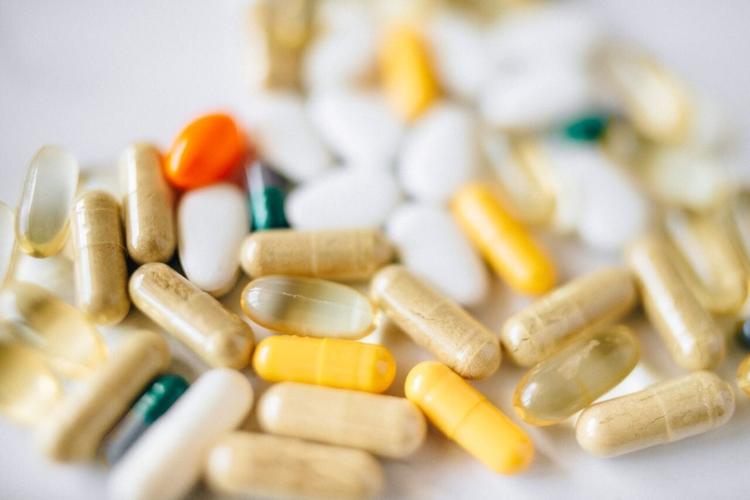
6. Supplement stacking
"This is one you see all over. There are times when supplements are recommended.
"My concern is with 'stacking' multiple supplements when you don't know if you actually need them," says Hazel.
"At best, you could be creating very expensive urine, as your body simply gets rid of some of the excess.
"Some vitamins are water-soluble, meaning excess amounts can be excreted in your urine, whereas fat-soluble vitamins can be stored in the body and taking too much over time can be harmful.
"People also don't always think about how supplements interact with each other or with medications.
"Supplements absolutely have their place, but taking more of them doesn't automatically make you healthier. What you need, if anything, should be based on your own diet, health and circumstances rather than someone else's supplement stack."

(0) comments
Welcome to the discussion.
Log In
Keep it Clean. Please avoid obscene, vulgar, lewd, racist or sexually-oriented language.
PLEASE TURN OFF YOUR CAPS LOCK.
Don't Threaten. Threats of harming another person will not be tolerated.
Be Truthful. Don't knowingly lie about anyone or anything.
Be Nice. No racism, sexism or any sort of -ism that is degrading to another person.
Be Proactive. Use the 'Report' link on each comment to let us know of abusive posts.
Share with Us. We'd love to hear eyewitness accounts, the history behind an article.