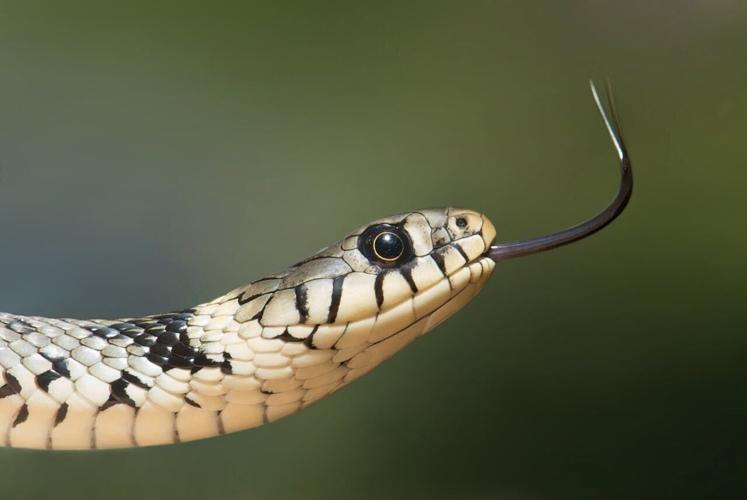
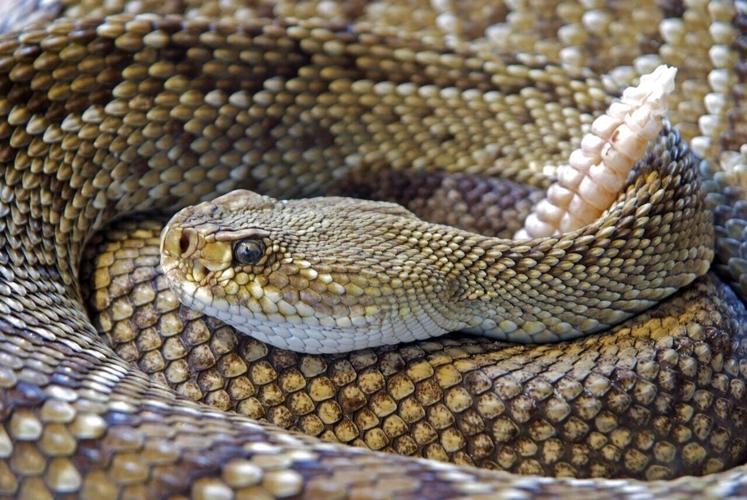
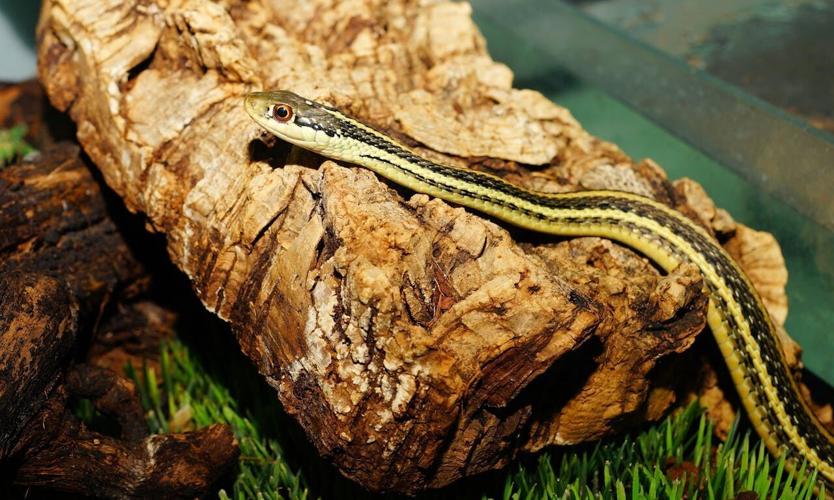

Photo by Pixabay via Pexels
By Stephen Beech
A revolutionary new antidote neutralizes the venom of 19 of the world’s deadliest snakes.
Researchers used antibodies from a human donor with a self-induced "hyper-immunity" to snake venom to develop the most broadly effective antivenom to date.
The antivenom neutralized the neurotoxins of deadly species including the black mamba, king cobra, and tiger snakes in mouse trials.
It combines protective antibodies and a small molecule inhibitor and opens a path toward a universal antiserum, according to research published in the journal Cell.
How antivenom is made has not changed much over the previous 100 years.
It usually involves immunizing horses or sheep with venom from single snake species and collecting the antibodies produced.
While effective, scientists say the process can result in adverse reactions to the non-human antibodies, and treatments tend to be species and region-specific.
While exploring ways to improve the process, American researchers came across someone hyper-immune to the effects of snake neurotoxins.

Photo by Pixabay via Pexels
Study first author Dr. Jacob Glanville, CEO of Centivax Inc, based in California, said: “The donor, for a period of nearly 18 years, had undertaken hundreds of bites and self-immunizations with escalating doses from 16 species of very lethal snakes that would normally kill a horse."
After the donor, Tim Friede, agreed to participate in the study, researchers found that by exposing himself to the venom of various snakes over several years, he had generated antibodies that were effective against several snake neurotoxins at once.
Dr. Glanville said: “What was exciting about the donor was his once-in-a-lifetime unique immune history.
“Not only did he potentially create these broadly neutralizing antibodies, in this case, it could give rise to a broad-spectrum or universal antivenom.”
To build the antivenom, the research team first created a testing panel with 19 of the World Health Organization’s category 1 and 2 deadliest snakes, a group which contains roughly half of all venomous species, including coral snakes, mambas, cobras, taipans, and kraits.
The researchers then isolated target antibodies from the donor’s blood that reacted with neurotoxins found within the snake species tested.






One by one, the antibodies were tested in mice envenomated from each species included in the panel.
Using that method, scientists could systematically build a "cocktail" comprising a minimum but sufficient number of components to render all the venoms ineffective.
The research team formulated a mixture comprising three major components: two antibodies isolated from the donor and a small molecule.
The first donor antibody, called LNX-D09, protected mice from a lethal dose of whole venom from six of the snake species.
To strengthen the antiserum further, the researchers added the small molecule varespladib, a known toxin inhibitor, which granted protection against an additional three species.
Finally, they added a second antibody isolated from the donor, called SNX-B03, which extended protection across the full panel.

Photo by Pixabay via Pexels
Dr. Glanville said: “By the time we reached three components, we had a dramatically unparalleled breadth of full protection for 13 of the 19 species and then partial protection for the remaining that we looked at.
“We were looking down at our list and thought, ‘what’s that fourth agent?’ And if we could neutralize that, do we get further protection?”
Even without a fourth agent, he says the results suggest that the three-part cocktail could be effective against many other, if not most, snakes not tested in the study.
With the antivenom cocktail proving effective in mouse models, the team is now looking to test its efficacy out in the field, beginning by providing the antivenom to dogs brought into veterinary clinics for snake bites in Australia.
Th researchers also want to develop an antivenom targeting the other major snake family, vipers.
Study lead author Professor Peter Kwong, of Columbia University Vagelos College of Physicians and Surgeons, said: “We’re turning the crank now, setting up reagents to go through this iterative process of saying what’s the minimum sufficient cocktail to provide broad protection against venom from the viperids."
He added: “The final contemplated product would be a single, pan-antivenom cocktail or we potentially would make two: one that is for the elapids and another that is for the viperids because some areas of the world only have one or the other.”
The other major goal is to approach foundations, governments, and pharmaceutical firms to support the manufacturing and clinical development of the broad-spectrum antivenom.
Dr. Glanville said: “This is critical, because although there are millions of snake envenomations per year, the majority of those are in the developing world, disproportionately affecting rural communities."


(0) comments
Welcome to the discussion.
Log In
Keep it Clean. Please avoid obscene, vulgar, lewd, racist or sexually-oriented language.
PLEASE TURN OFF YOUR CAPS LOCK.
Don't Threaten. Threats of harming another person will not be tolerated.
Be Truthful. Don't knowingly lie about anyone or anything.
Be Nice. No racism, sexism or any sort of -ism that is degrading to another person.
Be Proactive. Use the 'Report' link on each comment to let us know of abusive posts.
Share with Us. We'd love to hear eyewitness accounts, the history behind an article.