






Photo by Andrea Piacquadio via Pexels
By Lauren Wilkin
An expert has revealed the five key habits people need to start in their 30s to be fit and healthy in their 50s and beyond.
"People often think aging is something that just happens to us," longevity expert Leslie Kenny said.
"The truth is that many of the changes we associate with aging are influenced by habits we build decades earlier.
"Your 30s are one of the best times to invest in your future health because you’re laying the foundations for the next 20 or 30 years."
Today, Leslie — who co-founded the Oxford Longevity Project, a non-profit that educates the public on aging breakthroughs — shares the five most important habits to start building in your 30s that will keep you strong and healthy into older age.

Photo by Cup of Couple via Pexels
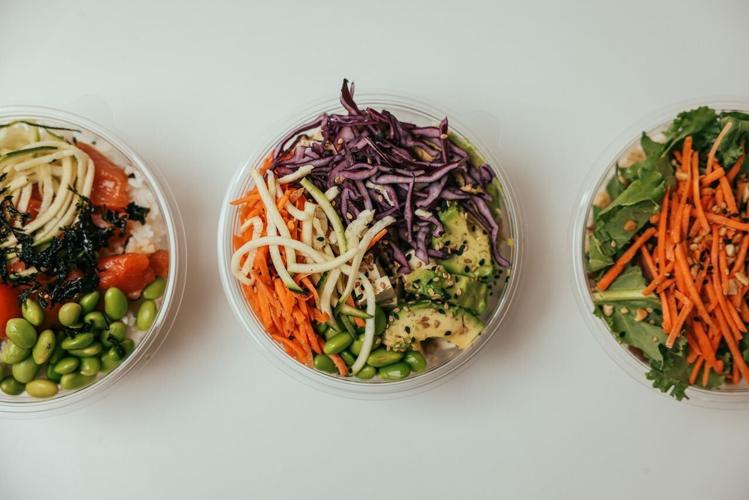
Don't obsess over calories — feed your cells
"Rather than obsessing over calories, I’d focus on feeding your cells," Leslie said.
"Aim to eat plenty of colorful vegetables, berries, legumes, mushrooms, nuts and seeds. These foods are rich in the natural compounds your body uses to repair itself and protect against inflammation.
"Don’t neglect protein either. Most of us don’t need huge amounts in our 30s, but we do need enough.
"It helps maintain muscle, supports our immune system and provides the building blocks for healthy skin, bones and organs.
"I’d also eat fermented foods such as yogurt, kefir, kimchi or sauerkraut several times a week. Looking after your gut microbiome today can pay dividends for your immune system, metabolism and even brain health later in life."

Start "banking your bone"
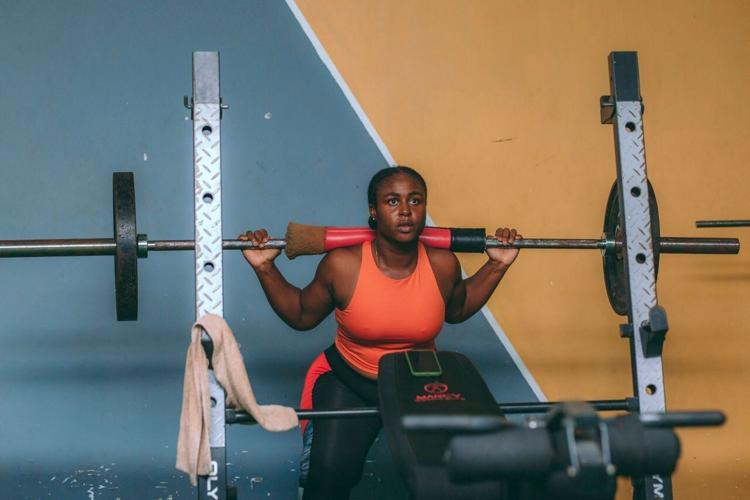
"The biggest mistake I see is people thinking exercise is only about burning calories," said Leslie, CEO of Oxford Healthspan.
"In your 30s, you should be building muscle. Muscle is one of the best predictors of healthy aging because it helps regulate blood sugar, supports balance and mobility, protects your bones and even releases beneficial molecules that communicate with your brain.
"For women especially, this is the decade to bank your bone.
"We naturally begin to lose bone density as we get older, particularly around menopause, so every strength workout you do now is like making a deposit into your future.
"Think of it as a savings account for your skeleton. The stronger your bones going into your 40s and 50s, the more resilient you’ll be for the decades that follow.
"Strength train at least two or three times a week. Add regular walking, cycling or swimming for cardiovascular fitness, and don’t forget balance and flexibility. These are the things that help keep you active and independent decades from now."

Photo by Betül Üstün via Pexels





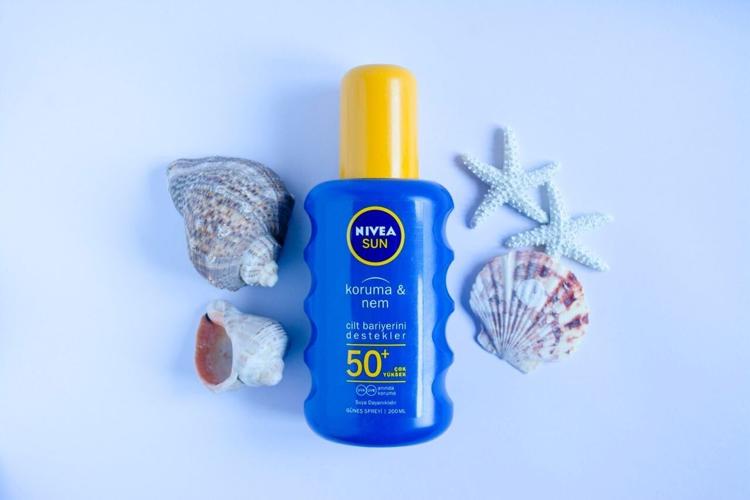
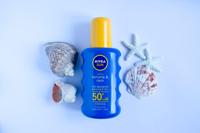
Wear sunscreen every day
"One habit I wish more people took seriously is protecting their skin from ultraviolet light," Leslie said.
"Your skin is your body’s largest organ and UV exposure is one of the biggest drivers of visible aging."
Leslie says she has noticed women tend to do a much better job at protecting their skin than men.
"I see so many [men] who never think twice about spending hours in the sun without protection," she added.
"Many will wish they hadn’t when they reach their 50s and 60s, when the wrinkles, sunspots and skin damage begin to catch up with them.
"The bonus is that protecting your skin isn’t just about looking younger. It also reduces your risk of skin cancer."
During the summer, it's recommended people wear sunscreen with SPF 50 protection every day.

Photo by Polina via Pexels
Target 60-90 minutes of deep sleep a night
"If there is one thing people consistently underestimate, it’s sleep," Leslie said.
"Sleep is when your brain clears away waste products, your immune system resets and your body carries out much of its repair work.
"It’s one of the best investments you can make for your future brain health, not to mention your body's overall recovery and repair."
There are different stages of sleep that are all responsible for different areas of our mental and physical health.
"Aim for seven to nine hours of quality sleep, and if you wear a sleep tracker, target 60-90 minutes of deep or slow wave sleep, as this is when the waste clearance system activates and growth hormone for muscles is produced," Leslie added.
"Try to go to bed and wake up at similar times each day. Limit bright screens before bed, keep your bedroom cool and dark and get outside into natural daylight within an hour of waking. These simple habits help keep your body clock working properly."

Photo by Bastian Riccardi via Pexels
Stack everyday habits to keep consistent
"People often ask me what supplement or treatment will help them live longer," Leslie said. "My answer is always the same: Build the habits first.
"Strong muscles, healthy bones, protected skin, a resilient heart and a healthy brain don’t happen overnight. They are the result of thousands of small choices made over many years.
This is often referred to as "habit stacking." Adding small, manageable habits into your everyday routine can make it much easier to stay consistent.
"The wonderful thing about longevity science is that it shows we’re not simply victims of our genes. We have far more influence over how we age than most people realize.
"Starting in your 30s simply gives you a longer runway to enjoy the benefits."

(0) comments
Welcome to the discussion.
Log In
Keep it Clean. Please avoid obscene, vulgar, lewd, racist or sexually-oriented language.
PLEASE TURN OFF YOUR CAPS LOCK.
Don't Threaten. Threats of harming another person will not be tolerated.
Be Truthful. Don't knowingly lie about anyone or anything.
Be Nice. No racism, sexism or any sort of -ism that is degrading to another person.
Be Proactive. Use the 'Report' link on each comment to let us know of abusive posts.
Share with Us. We'd love to hear eyewitness accounts, the history behind an article.