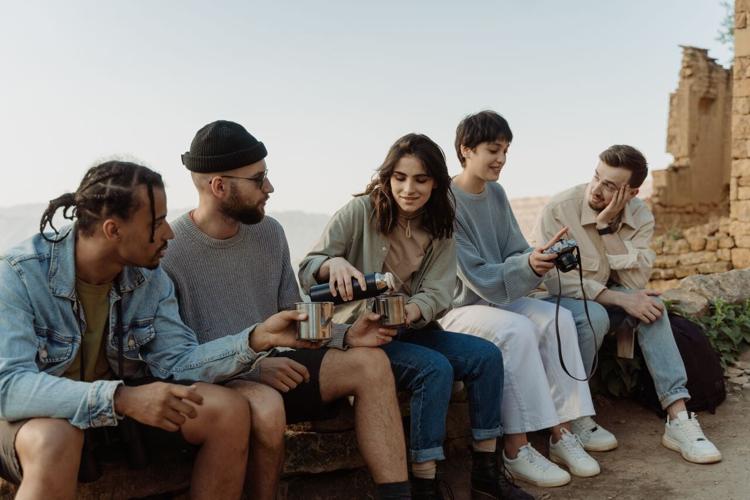





Photo by cottonbro studio via Pexels
Nearly half of adults identify as people-pleasers — and a psychologist says it could be affecting everything from relationships to vacations.
But chartered clinical psychologist Tracy King believes solo travel can be a powerful way for people-pleasers to break unhealthy habits, build confidence and focus on their own needs without feeling guilty.
She says many people spend so much time managing other people's happiness that they can lose sight of what they actually want themselves, and this solo travel wellness trend could be the solution.
"I regularly work with people around relationship dynamics, boundaries, trauma responses, attachment patterns, neurodivergence and emotional balance," says King, from Hartley, Kent.
"I have a real interest in how travel can support wellbeing, identity, confidence and nervous system regulation.
"Solo travel can be one of the best experiences for people-pleasers because it removes the constant pressure to scan, manage and adapt to other people’s needs."

Photo by Gustavo Fring via Pexels
What does it mean to be a people-pleaser?
"People-pleasing is beyond just being nice, it is a nervous system strategy," says King.
"It is linked to what is known as the 'fawn response,' where a person tries to stay safe, accepted or connected by appeasing others, avoiding conflict and prioritizing other people’s comfort over their own."
King says that this can be costly to people over time. "Their own sense of self is lost," she explains.
"I often see this in therapy when relationship dynamics begin to break down.
"One person may have spent years over-functioning, smoothing things over for everyone else, anticipating everyone’s moods and abandoning their own needs.
"Eventually, resentment, exhaustion, anxiety or identity loss can build."
King says it's common that people-pleasers "may not even know what they want anymore because they have become so used to organizing themselves around other people."
Why people-pleasers struggle on vacation
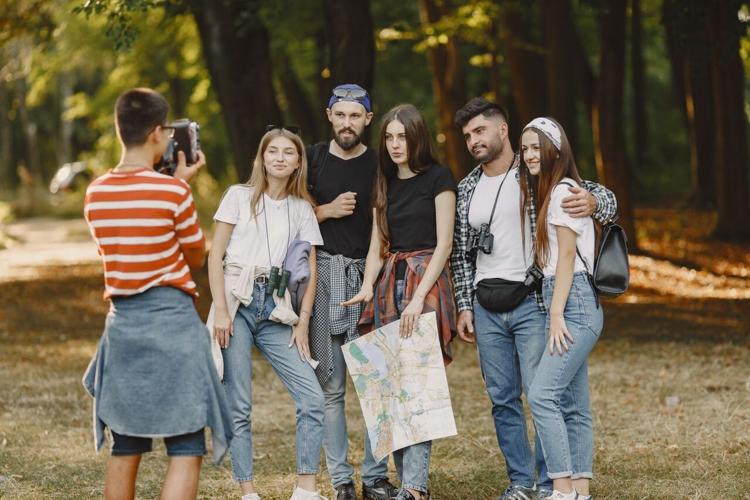
Traveling with friends and family can be an intense experience.






And this intensity ramps up if you find yourself constantly trying to please the group, despite facing hurdles beyond your control.
"Even on vacation, a people-pleaser may be worrying whether everyone else is enjoying themselves, whether they have chosen the right restaurant, whether they are being selfish for wanting downtime, or whether someone is disappointed with them," King explains.
"What should be a break can become another form of emotional labor."
King says this is common among neurodivergent people.
"Many grow up feeling different or misunderstood, and may learn to mask, people-please or over-adapt in order to feel accepted.
"Rejection sensitivity dysphoria, often discussed in relation to ADHD, refers to an acute emotional sensitivity to perceptions of rejection, criticism or exclusion.
"For someone who experiences this, disappointing others can feel unbearable, so they may say yes, suppress their needs or go along with plans that overwhelm them just to feel safe and included."

Photo by Ren Dell via Pexels
How solo travel gives people-pleasers a break
"Solo travel provides what is known as a 'corrective experience,'" King says.
"It gives people permission to ask, “What do I actually want?” without needing to negotiate, justify or perform for others.
"They can rest when they are tired, change plans without guilt, eat where they want, explore at their own pace and begin to feel what it is like to belong to themselves rather than constantly earning belonging through pleasing others."
For this reason, King says solo travel can be "deeply regulating."
"I myself am neurodivergent and I absolutely love solo travel for all these reasons.
"It reduces social demand, lowers the need to mask, and allows the nervous system to come out of performance mode.
"For people-pleasers, it is not simply a vacation. It can be an experience where we can build self-trust, autonomy and remember that our own enjoyment matters too."
According to a 2022 YouGov poll of 1,000 U.S. adults, 49% self-identified as people-pleasers.

(0) comments
Welcome to the discussion.
Log In
Keep it Clean. Please avoid obscene, vulgar, lewd, racist or sexually-oriented language.
PLEASE TURN OFF YOUR CAPS LOCK.
Don't Threaten. Threats of harming another person will not be tolerated.
Be Truthful. Don't knowingly lie about anyone or anything.
Be Nice. No racism, sexism or any sort of -ism that is degrading to another person.
Be Proactive. Use the 'Report' link on each comment to let us know of abusive posts.
Share with Us. We'd love to hear eyewitness accounts, the history behind an article.